

Stablecoins: The “Boring” Coins Running the Entire Crypto Casino
Get Breaking News First!
Editor’s choice
-

How to Invest in Crypto With an IRA? A Complete Guide
-

What Happens to Your Crypto When You Die?
-

Top DeFi Wallets in 2026: Where Smart Self-Custody Actually Lives
-

$3.45 Billion in 16 Months: Why Crypto Became Trump’s Most Lucrative Bet
-

A Decimal Error Just Cost an AI Trading Bot $250,000 on Solana
-

Understanding Funding Rates in Perpetual Futures Trading
While Bitcoin and altcoins are busy speed-running mood swings, stablecoins just sit there… and quietly run the show.
They’re designed to hug $1 as tightly as your grandpa hugs his favorite recliner. Boring? On the surface, yes. But under the hood, stablecoins are the liquidity, collateral, and payment rails that keep DeFi alive.
In this guide, we’ll break down what stablecoins are, how they stay pegged, the main types, and why every serious trader needs to understand the risks behind that “safe” $1.
Join our community of 400K+ and never miss breaking news!
We respect and protect your privacy. By subscribing your info will be subject to our privacy policy . Unsubscribe easily at any time
💰 Fiat-Backed Stablecoins

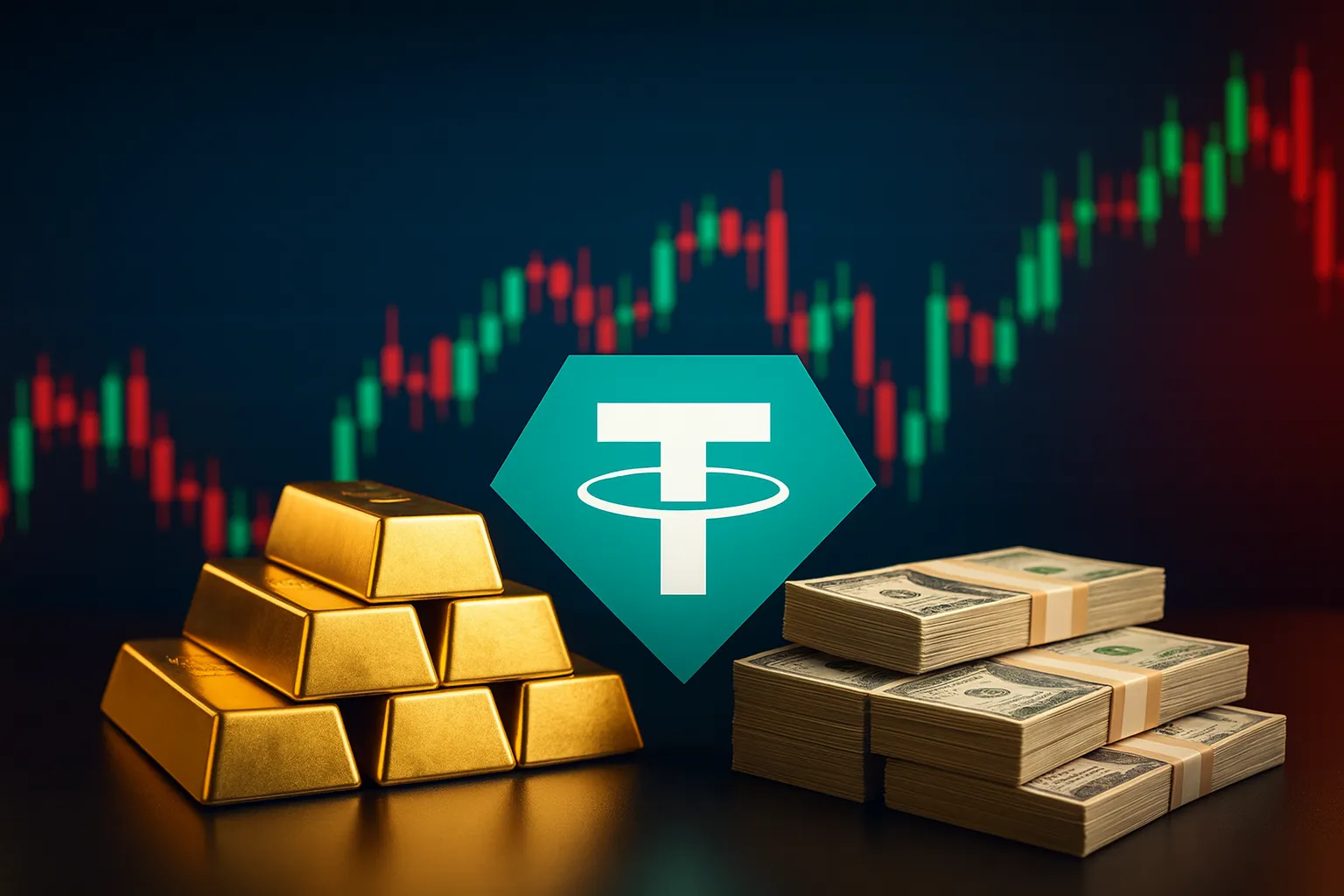
Unlike their rollercoaster-riding crypto cousins, these digital tokens maintain a rock-solid 1:1 relationship with traditional currencies like the US dollar or euro. Big names like USDT (Tether) and USDC lead the pack. They’re basically digital dollars you can send anywhere in the world in seconds.
In theory, for every stablecoin issued, there should be one real dollar (or equivalent) sitting in reserves. The more serious issuers publish regular reports so traders can see what’s backing their coins.
They may look boring on the chart, but they’re the rails everything else runs on.
And don’t worry – regular audits keep everyone honest, so you can rest easy knowing your digital dollars are safe and sound.
🥇 Commodity-Backed Stablecoins

While fiat-backed stablecoins keep things steady with regular old dollars, commodity-backed stablecoins track real-world assets like gold or silver.
You’ll find popular options like PAX Gold and Tether Gold, where one token equals one troy ounce of gold stored in secure vaults. These tokens are also regularly audited to guarantee there’s actual metal backing your investment.
What’s cool is you don’t need Scrooge McDuck’s fortune to get started – you can buy fractional tokens and still enjoy the stability of precious metals while getting all the perks of blockchain technology.
Perfect for hedging against inflation or diversifying your crypto portfolio like a pro.
🪙 Crypto-Backed Stablecoins

Crypto-backed stablecoins don’t rely on banks, they use other crypto as collateral, locked inside smart contracts (basically, robot vaults with zero chill).
You deposit your crypto, and in return you mint stablecoins. But there’s a catch: you usually have to over-collateralize — for example, lock up $150 of ETH to get $100 of stablecoins. That buffer protects the system when prices swing.
If your collateral drops too much in value, the smart contract doesn’t argue — it auto-sells your assets to keep everything stable. Brutal? Yes. But it’s efficient.
DAI is the classic example of this model. If you want a deeper breakdown of how collateral, liquidation, and loan safety actually work, check out this guide.
Join our community of 400K+ and never miss breaking news!
We respect and protect your privacy. By subscribing your info will be subject to our privacy policy . Unsubscribe easily at any time
🤖 Algorithmic Stablecoins

Algorithmic stablecoins are the high-wire performers without a safety net.
These digital acrobats maintain their dollar peg through smart contracts that automatically adjust token supply, like a self-balancing scale. When prices rise, they create more tokens; when prices fall, they burn them. Sounds clever, right?
Well, TerraUSD thought so too, until its spectacular $40 billion crash in May 2022 proved just how risky this approach can be.
You’ll find different flavors of algorithmic stablecoins out there, from rebasing models to seigniorage systems, but they all share one achilles’ heel: they’re only as stable as people’s faith in them.
Once confidence fades, it’s all dominoes.
📌 Why Stablecoins Matter in DeFi

Stablecoins are the cash layer of crypto.
Traders use them to:
They sit at the center of DeFi; powering trading pairs, lending markets, cross-border payments, and on-chain payouts.
Without stablecoins, DeFi would feel like trading on leverage 24/7. With them, you get something close to digital dollars that never sleep.
⚠️ The Real Risks of Stablecoins

Stable does not mean risk-free:
Bottom line:
Stablecoins are super useful, but you still need to know who’s behind them, what backs them, and what can break them.
⏭️ Final Thoughts
Whether you’re protecting your gains, exploring DeFi opportunities, or simply seeking shelter from market volatility, stablecoins prove that sometimes the smartest moves in crypto aren’t about making waves – they’re about staying afloat. Trading drama for some piece of mind.
Wanna know why stablecoins have been surging in 2025? Check out our recent post.
Join the strongest crypto community. 🤝 Connect with 20,000+ Telegram members for live alerts and active discussion. Get our newsletter for trusted weekly insights.