

What Is DeFi? How Decentralized Finance Unlocks Financial Freedom

Get Breaking News First!
Editor’s choice
-
🔐 One Wallet for Everything Is How Most Traders Get Hurt. Here Is How Many You Actually Need
-

💰 Don’t Sell Your Bitcoin – Borrow Against It: The Best Platforms in 2026
-
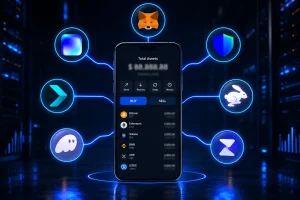
MetaMask Who? The Web3 Wallets Traders Are Actually Using in 2026
-
💼 When Crypto Trading Becomes a Business: The IRS Rules Every Active Trader Needs to Know
-
₿ Why Local Businesses Are Taking Bitcoin Seriously in 2026
-
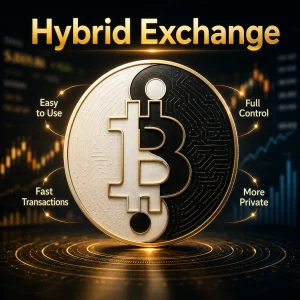
⚡ The Best of Both Worlds: How Hybrid Crypto Exchanges Are Changing the Way We Trade
Decentralized finance, or DeFi, gets thrown around a lot – usually alongside big promises about freedom, inclusion, and replacing banks. Strip away the buzzwords, and the idea is simpler than it sounds.
DeFi is a system of financial tools built on blockchains that lets people lend, borrow, trade, and earn without going through traditional intermediaries like banks or brokers. No applications, no opening hours, and no central gatekeepers deciding who gets access.
In 2026, DeFi isn’t a futuristic experiment anymore. It’s a working financial layer used globally – sometimes as an alternative to banks, sometimes as a complement. This guide breaks down what DeFi actually is, how it works under the hood, and where it genuinely delivers value versus where the risks still live.
Join our community of 400K+ and never miss breaking news!
We respect and protect your privacy. By subscribing your info will be subject to our privacy policy . Unsubscribe easily at any time
🔍 What DeFi Actually Is
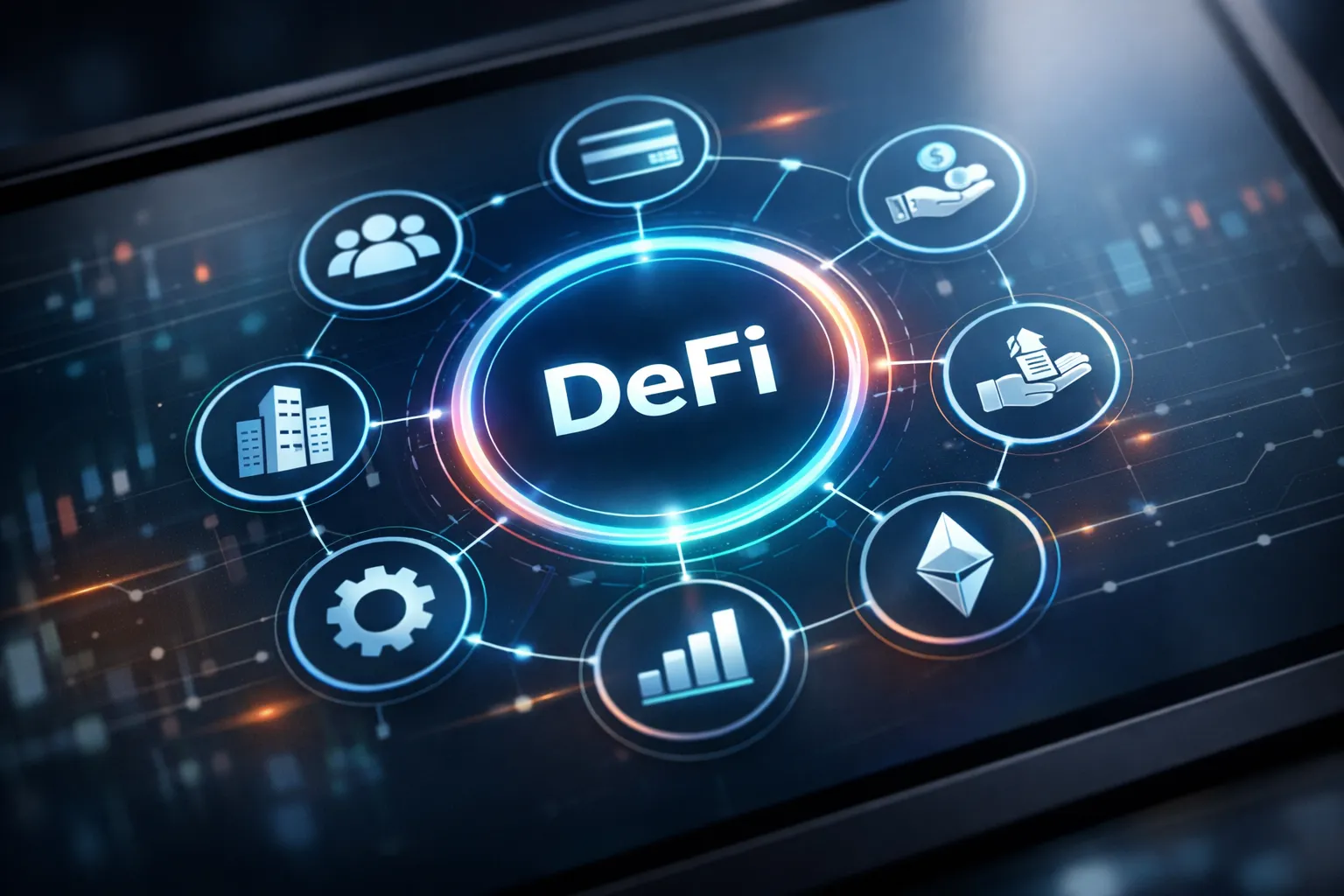
DeFi is a collection of financial apps built on blockchains like Ethereum and its Layer 2 networks. These apps recreate core financial services like trading, lending, borrowing, and payments, but without banks, brokers, or centralized operators.
Instead of institutions, DeFi runs on smart contracts. These are pieces of code that execute automatically when certain conditions are met. No approvals. No human discretion. If the rules say collateral gets liquidated at a set level, it happens – every time.
That’s the key shift. In traditional finance, trust is placed in institutions and intermediaries. In DeFi, trust is reduced and pushed into code, cryptography, and economic incentives.
This design change is why DeFi feels fundamentally different to use and to trade.
🧩 Core DeFi Services Explained
Decentralized Exchanges (DEXs)
DEXs let users trade directly from their wallets using liquidity pools instead of order books. No custody risk, no account freezes, no KYC bottlenecks. Execution is transparent, but liquidity dynamics and slippage matter, especially for size.
Lending and Borrowing
DeFi lending protocols allow users to earn yield by lending assets or borrow against collateral. Rates adjust automatically based on supply and demand. There are no credit checks, just overcollateralization and clear liquidation rules if positions move against you.
Stablecoins and Synthetic Assets
Stablecoins are the settlement layer of DeFi. They enable dollar-denominated activity without a bank. Synthetic assets go a step further, offering on-chain exposure to things like commodities, indices, or foreign currencies.
Yield and Incentives
Yield in DeFi isn’t magic. It comes from trading fees, borrowing demand, or token incentives. Understanding token supply mechanics is critical here, which is why a solid grasp of modern tokenomics matters.
🌍Financial Freedom Without Gatekeepers
This is where DeFi’s impact goes beyond trading.
In traditional finance, access is conditional. You need the right geography, documentation, and minimum balances. Someone, somewhere, decides whether you’re allowed in.
In DeFi, access is binary. Either you have an internet connection and a wallet, or you don’t.
That difference matters for billions of people who are unbanked or underbanked. DeFi doesn’t ask who you are or where you’re from. It only asks whether you can interact with the protocol.
Join our community of 400K+ and never miss breaking news!
We respect and protect your privacy. By subscribing your info will be subject to our privacy policy . Unsubscribe easily at any time
Transparency reinforces that freedom. Transactions, reserves, and liquidations are visible on-chain, not hidden behind balance sheets or “trust us” disclosures.
DeFi doesn’t promise fairness, it levels the playground for everyone.
⚖️ DeFi vs. Traditional Finance
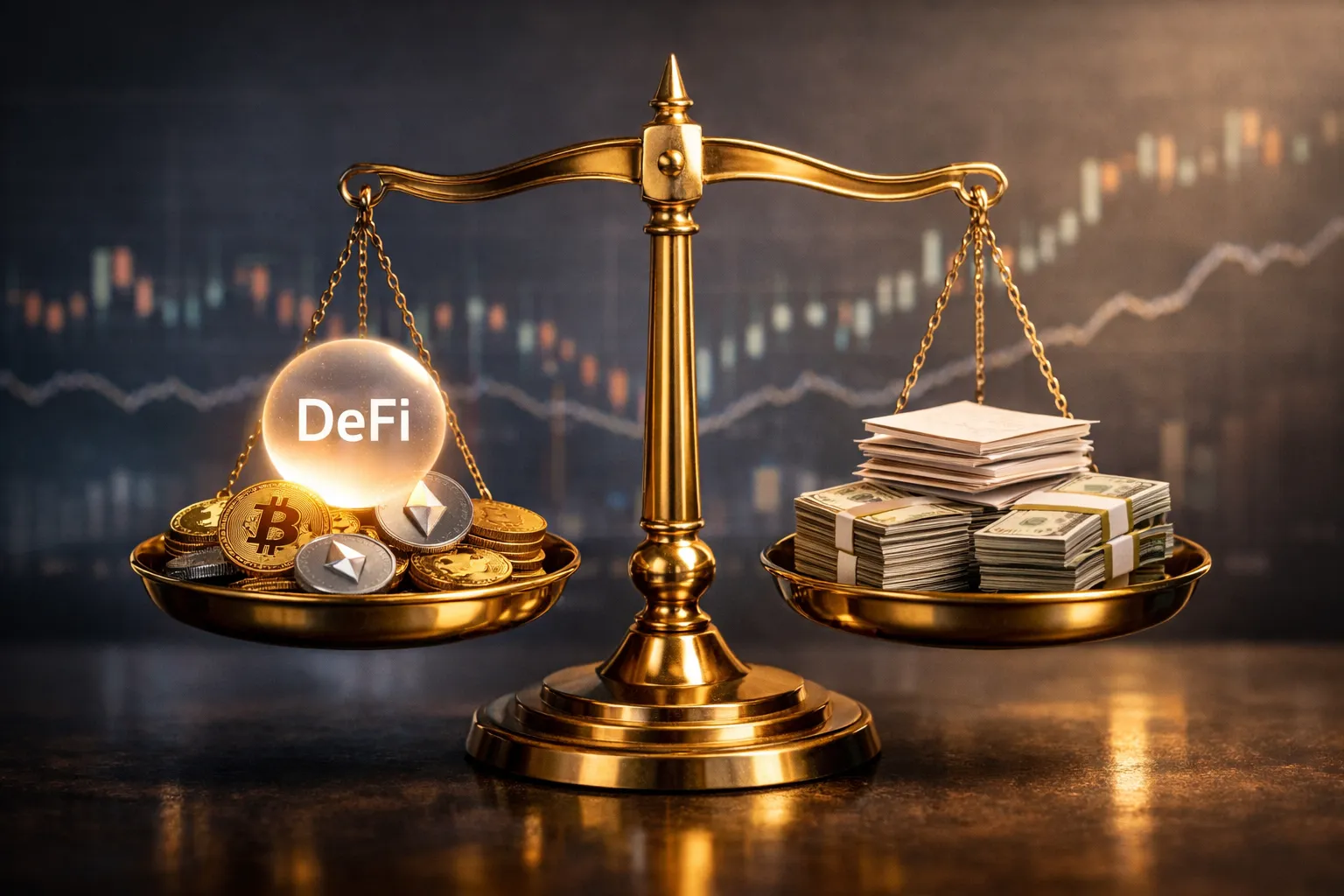
Traditional finance is built for control and compliance. DeFi is built to be open and interoperable.
Banks batch settlements. DeFi settles near-instantly.
Banks hold your assets for you. In DeFi, you hold them yourself.
TradFi hides risk until it explodes. DeFi exposes it in real time.
That doesn’t mean DeFi is automatically safer. It means the risks are visible. You can see liquidity, reserves, and liquidations in real time instead of finding out after something breaks.
You can see how this advantage has grown over the last cycle in our breakdown of how DeFi has evolved
⚠️Risks You Cannot Ignore

DeFi isn’t risk-free finance. The risk is just transparent.
Smart contract bugs still happen. Liquidity can vanish. Incentives can weaken if a protocol stops attracting real users. None of this is hidden, but it is unforgiving.
This is where discipline matters. If you’re putting money on-chain without understanding how a protocol works, you’re not investing, you’re guessing. And guessing in DeFi usually means paying someone else’s yield.
Knowing how to read a whitepaper helps you spot weak mechanics before they cost you. Here’s how traders break them down properly.
📉 Conclusion
DeFi doesn’t replace traditional finance overnight, it quietly reroutes it. By removing gatekeepers and putting risk on-chain, it changes who gets access and who actually understands what’s happening. For traders, it’s not ideology, it’s visibility. Learn how it works, or keep trading the surface while the real action happens underneath.
If you want to stay ahead of how capital actually flows on-chain, our newsletter tracks the signals that matter. And our Telegram delivers real-time alerts when DeFi mechanics start moving markets.
No noise. Just information you can trade.