

💸 The Hidden Costs of Crypto Trading: Fees, Spreads, and Slippage
Get Breaking News First!
Editor’s choice
-
🔐 One Wallet for Everything Is How Most Traders Get Hurt. Here Is How Many You Actually Need
-
💰 Don’t Sell Your Bitcoin – Borrow Against It: The Best Platforms in 2026
-

MetaMask Who? The Web3 Wallets Traders Are Actually Using in 2026
-
💼 When Crypto Trading Becomes a Business: The IRS Rules Every Active Trader Needs to Know
-
₿ Why Local Businesses Are Taking Bitcoin Seriously in 2026
-
⚡ The Best of Both Worlds: How Hybrid Crypto Exchanges Are Changing the Way We Trade
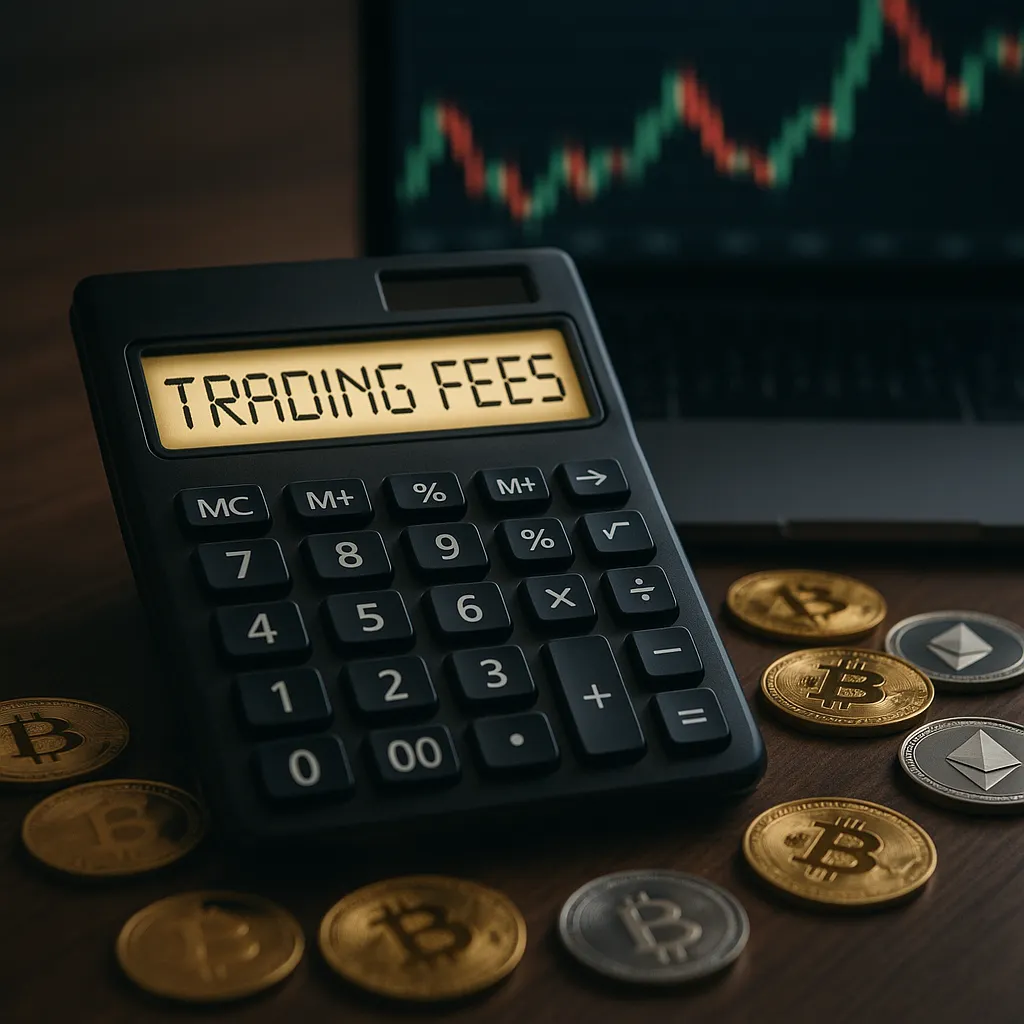
Trading crypto isn’t just about calling tops and bottoms. Beneath the charts, invisible costs quietly bleed your profits. Most traders obsess over timing entries and exits, but ignore the fees, spreads, and slippage baked into every trade. That’s the leak in your PnL bucket.
Whether you’re scalping altcoins or stacking sats for the long haul, these costs add up fast. Learn how they work, how to manage them, and how smart traders plug the leaks before they sink performance.
💸 Trading Fees

Every buy or sell comes with a toll. Most exchanges charge 0.1%–0.5% per trade – sounds tiny, but stack that over dozens of trades and it eats straight into your PnL. High-volume traders feel it the most.
Join our community of 400K+ and never miss breaking news!
We respect and protect your privacy. By subscribing your info will be subject to our privacy policy . Unsubscribe easily at any time
Some platforms (like Binance) cut fees if you trade bigger size or pay with their native token. Others sneak in hidden withdrawal costs or higher fees on specific assets.
Smart traders don’t guess. They study the fee schedule, run the math, and factor costs into every trade plan. If you’re comparing options, our guide to the best crypto exchanges in 2025 breaks down where fees hit hardest – and how to avoid overpaying.
📊 Spreads

The spread is the gap between what you pay to buy and what you get when you sell. In deep, liquid markets spreads are razor-thin. But in thin or volatile markets, they widen – and that hidden cost hits your PnL fast.
Example: if Bitcoin’s at $50,000, but you buy at $50,100 and can only sell at $49,900, that $200 gap is the spread. Traders eat that loss the moment they enter or exit.
Tools like CryptoCompare help track spreads across exchanges, so you know where liquidity is strongest. For day traders especially, watching spreads is just as critical as watching price action.
👉 Pair this with our top risk management tips to keep those hidden costs from snowballing.
🎯 Slippage

Slippage is when your trade fills at a different price than expected. It usually strikes in fast markets or on big orders that can’t be filled at one level. Even a tiny shift, say 0.5% on size, can bite deep into profits.
The fix? Limit orders > market orders. A limit order sets the worst price you’ll accept, putting you back in control. Slippage never disappears, but smart order types and smaller position sizes keep it in check.
👉 For more on managing execution risk, check our crypto position sizing guide – it shows how to size smart so slippage hurts less.
🛡️ Mitigation Tools & Smart Strategies

You can’t dodge hidden costs completely, but you can shrink them with the right moves:
Timing matters too. Avoid trading during major announcements or high-volatility spikes, when spreads blow out and slippage stings the most. The traders who plan calm entries and exits are the ones keeping more profits in their pocket.
Conclusion: Cutting Down the Invisible Losses
Hidden costs like fees, spreads, and slippage may look small, but left unchecked they drain profits fast. Smart traders use limit orders, liquidity, and solid sizing frameworks to plug the leaks.
Join our community of 400K+ and never miss breaking news!
We respect and protect your privacy. By subscribing your info will be subject to our privacy policy . Unsubscribe easily at any time
It’s not just about winning trades – it’s about keeping the gains.
Stop feeding the fees. Start keeping your wins.⚡
🔥 Be part of the conversation. Join 24,000 traders in our official Telegram channel.
🔥Stay ahead of the game with our daily newsletter-sharp political crypto insights, no fluff. Subscribe here.