

How to Set Up Your First Crypto Wallet (Without Getting Hacked)

Get Breaking News First!
Editor’s choice
-
Privacy Coins Explained: What They Are and How They Work
-
US Banks Are Allowed to Hold Crypto — Just Not the Way You Think
-

What Is a Dust Attack — and Why Is There Random Crypto in Your Wallet?
-

Front-Running in Crypto: How It Works and How to Protect Yourself
-

America’s Biggest Profit Engines: Who’s Growing Fastest in 2026
-

Why Venezuela’s Locked-Up Billions Suddenly Matter to U.S. Energy Stocks
Setting up your first crypto wallet isn’t just “step one”, it decides whether you actually own your coins or you’re just a line item on someone else’s exchange.
Custody is king. If you’re still parking everything on a CEX, you’re basically playing Russian roulette with your stack. One hack, freeze, or “maintenance pause,” and your bags are suddenly “under review.”
This guide walks you through:
Join our community of 400K+ and never miss breaking news!
We respect and protect your privacy. By subscribing your info will be subject to our privacy policy . Unsubscribe easily at any time
Whether you’re copy-trading, farming points, or quietly stacking for the long game, your wallet setup is your first real edge. Let’s lock it in.
Why a Wallet Matters (and the “Not Your Keys” Rule)

A wallet isn’t just where your crypto lives, it’s who controls it.
When your coins sit on an exchange, you don’t own them. You have an IOU. If that platform gets hacked, goes insolvent, or freezes withdrawals (ask Celsius users how that went), your “balance” can disappear overnight.
In 2025 alone, billions in crypto have been lost to hacks, exploits, and centralized platform failures. We broke down the worst cases here>>
If you’re trading with size, or just quietly stacking, self-custody isn’t optional. It’s the difference between having crypto and actually owning it.
Hot Wallet Setup: 🦊 Setting Up MetaMask

MetaMask is the most common browser and mobile wallet for Ethereum and EVM chains. Here’s how to set it up properly:
- Download MetaMask from the official site or app store (double-check the URL).
- Create a new wallet. Set a strong password you don’t reuse.
- Write down your 12-word seed phrase. Do it offline. No screenshots. No Notes app. No Google Drive. Store it somewhere safe and private.
- Confirm the seed phrase. The app will test you.
- Connect to Ethereum mainnet or other chains like Arbitrum, BNB Chain, Polygon, etc., using official docs or chain lists (never random links).
Security tips:
Seed scams are rampant. Check out our report on the top 6 crypto scams of 2025 so you don’t end up a statistic.
Hardware Wallet Setup: Ledger

A hardware wallet keeps your private keys offline, away from malware, fake sites, and sketchy browser pop-ups. Ledger is still one of the go-to options for serious traders.
Step-by-step:
- Buy direct from Ledger. Avoid Amazon or second-hand units.
- Unbox and power it on. Follow on-device instructions.
- Set a PIN code. This protects you if someone physically gets the device.
- Write down the 24-word seed phrase. Again, offline only. No photos. No notes app. No cloud.
- Install Ledger Live from the official Ledger site. Use it to install apps (BTC, ETH, etc.) and manage your coins.
- Test with a small transaction first before sending real size.
🚩 Red flags to avoid:
For a full breakdown on building a secure wallet stack (hot + hardware + backups), this guide is your next step>>
Join our community of 400K+ and never miss breaking news!
We respect and protect your privacy. By subscribing your info will be subject to our privacy policy . Unsubscribe easily at any time
Seed Phrase & Backup Strategy
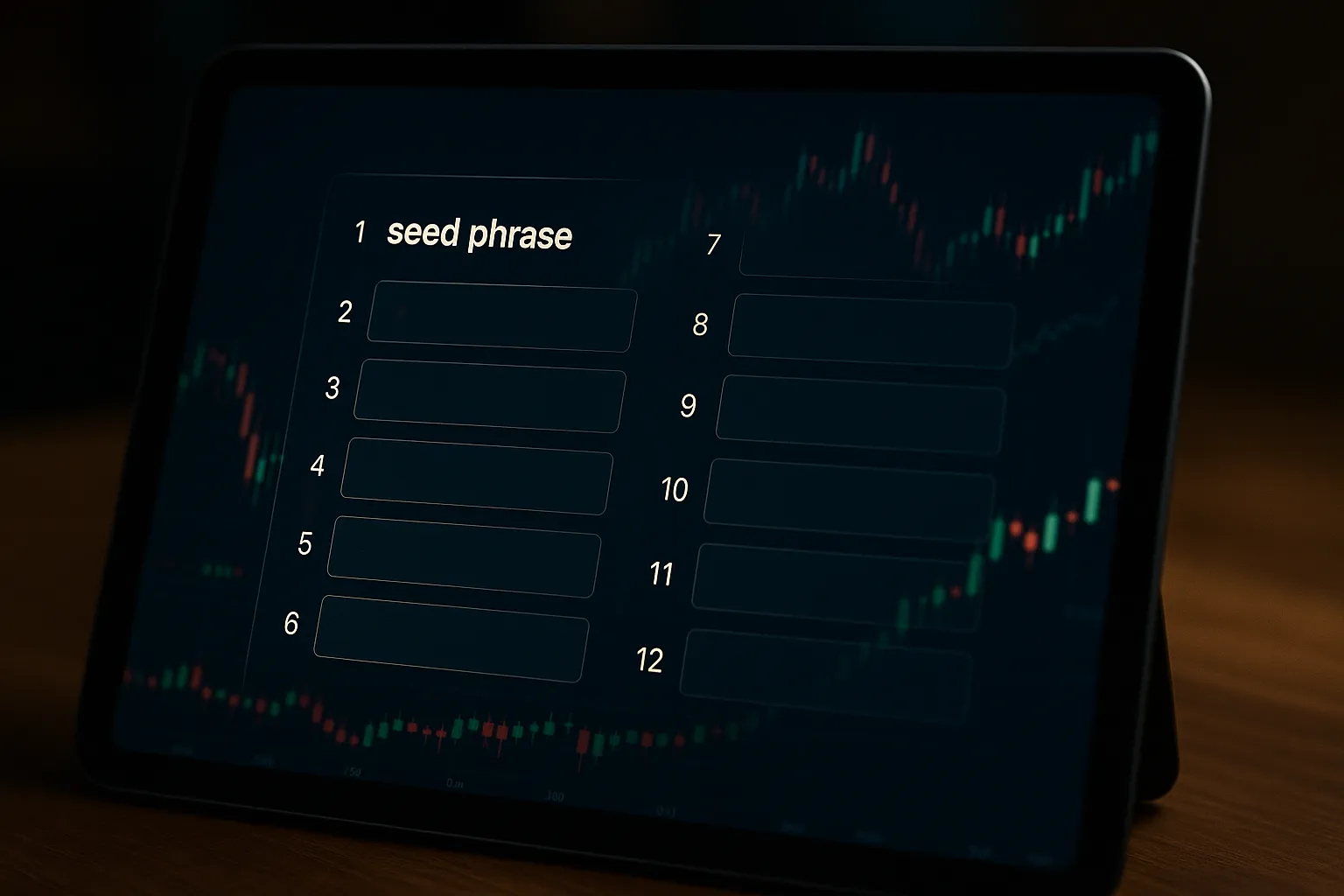
The seed phrase is the core of your wallet. It’s a mnemonic representation of your private key, often 12 or 24 words.
Best practices:
Never type your seed into a website. No real wallet will ever ask for that. If a page asks for it, it’s a scam. Full stop.
Sending, Receiving & Testing Funds
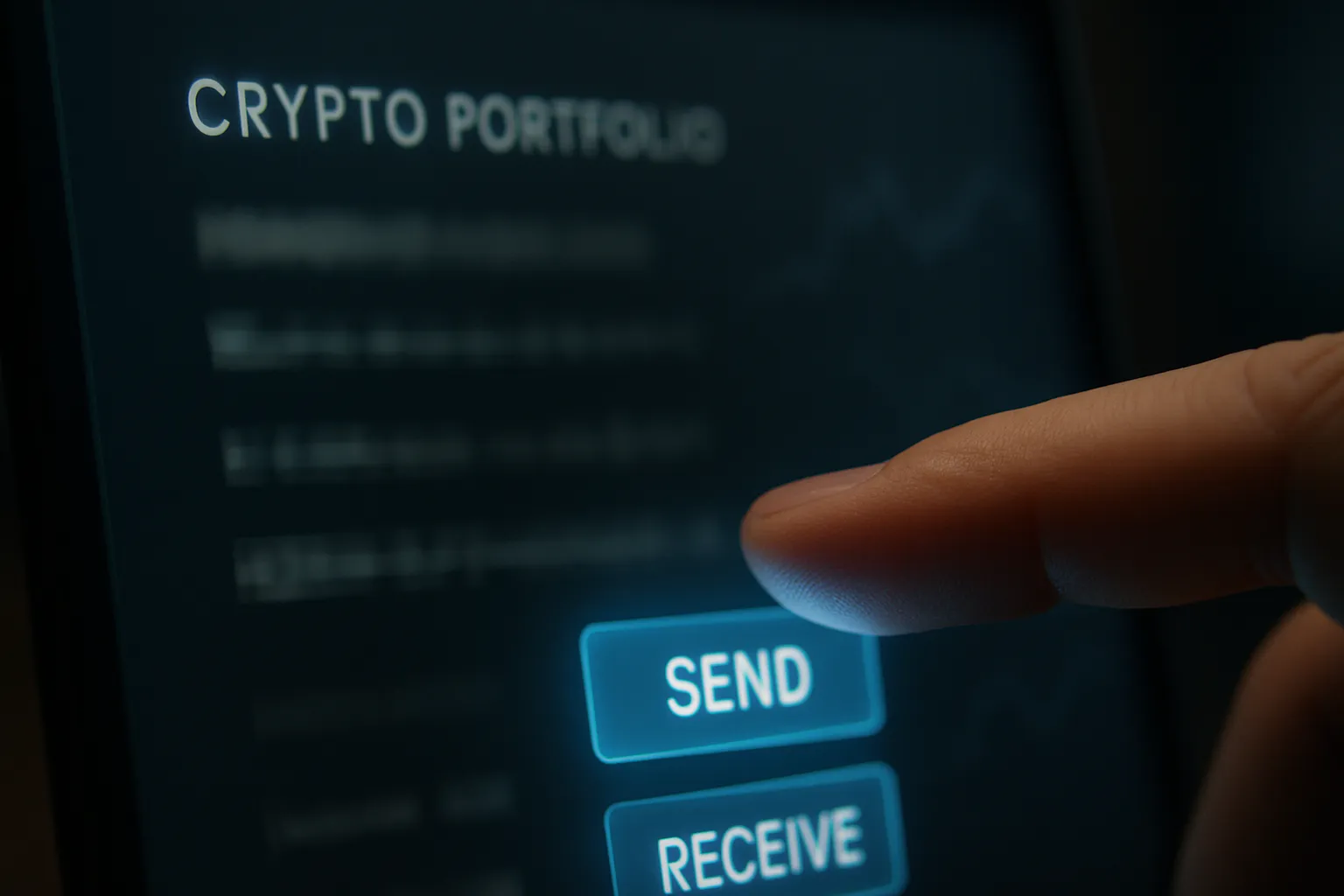
Once your wallet is set, start with a dry run:
- Copy your public address from your wallet (double-check there’s no hidden character or truncation).
- Send a small test transaction from your exchange or another wallet.
- Wait and confirm it lands in your wallet and shows the right amount.
- Send a small amount back out to test:
- the send flow
- network fees
- and that you’re picking the right chain (ETH vs BSC vs Arbitrum, etc.).
If anything looks off — weird address, wrong network, unusual prompts — stop immediately.
In crypto, the rule is simple: Don’t trust. Verify. Then verify again with small size before you go big.
Avoid These Rookie Moves
And remember, the real cost of mistakes isn’t just financial. It’s psychological. Here’s what the hidden costs of crypto trading look like when you lose big.
Be Smart; Get a Wallet
Self-custody is your first real leverage in crypto. Set up your wallet the right way; seed phrase safe, hardware trusted, funds tested, and you’re already ahead of half the field.
Want more tactical plays and zero-fluff guides? Subscribe to our weekly newsletter and jump into our 20K+ trader Telegram to stay sharp in real time.
Let’s get to work.