

🔐 One Wallet for Everything Is How Most Traders Get Hurt. Here Is How Many You Actually Need
Get Breaking News First!
Editor’s choice
-
🔐 One Wallet for Everything Is How Most Traders Get Hurt. Here Is How Many You Actually Need
-

💰 Don’t Sell Your Bitcoin – Borrow Against It: The Best Platforms in 2026
-

MetaMask Who? The Web3 Wallets Traders Are Actually Using in 2026
-
💼 When Crypto Trading Becomes a Business: The IRS Rules Every Active Trader Needs to Know
-
₿ Why Local Businesses Are Taking Bitcoin Seriously in 2026
-

⚡ The Best of Both Worlds: How Hybrid Crypto Exchanges Are Changing the Way We Trade
Most people start with one wallet. That is fine. Most people also keep using just one wallet long after it stops being fine; mixing trading funds with long-term holdings, connecting to every dApp they come across, and wondering later why something went wrong.
The number of wallets you need depends on how you use crypto. Here is the honest breakdown.
📌 Why Multiple Wallets Matter
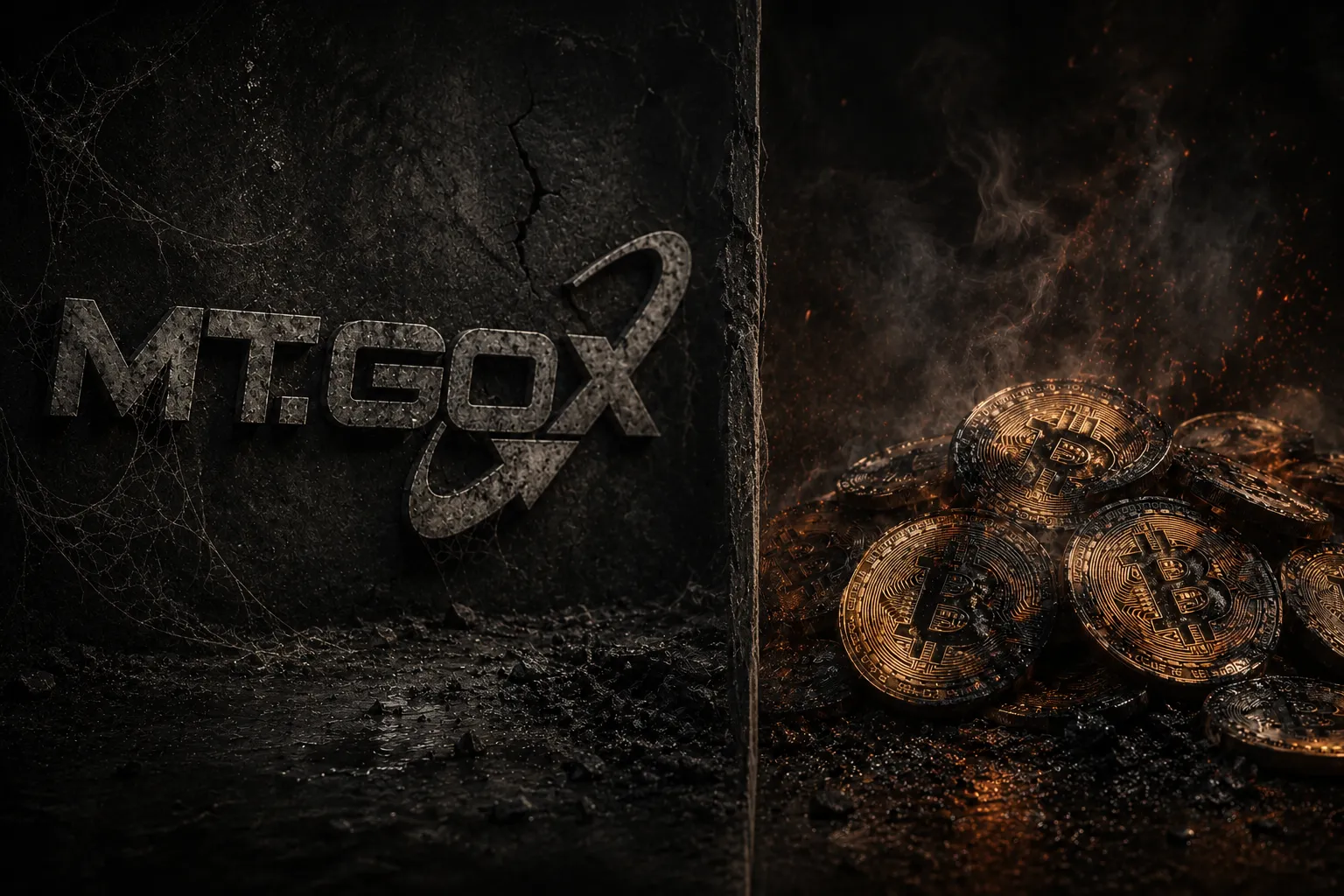
Putting all your crypto in one wallet is like keeping your life savings, house keys, and passport in the same backpack, then leaving it on a park bench. One breach, one forgotten seed phrase, one bricked device, and everything’s gone. Permanently.
Join our community of 400K+ and never miss breaking news!
We respect and protect your privacy. By subscribing your info will be subject to our privacy policy . Unsubscribe easily at any time
Spreading assets across multiple wallets limits breach damage, adds redundancy, and keeps exchange collapses from wiping you out completely. Mt. Gox in 2014 is the case study nobody wants to repeat, because every user who kept funds on the platform lost them entirely.
If you are just getting started, here is how to set up your first crypto wallet (without getting hacked)
💡 Recommended Wallet Count by User Level
🍼 How Many Wallets Does a Beginner Need?
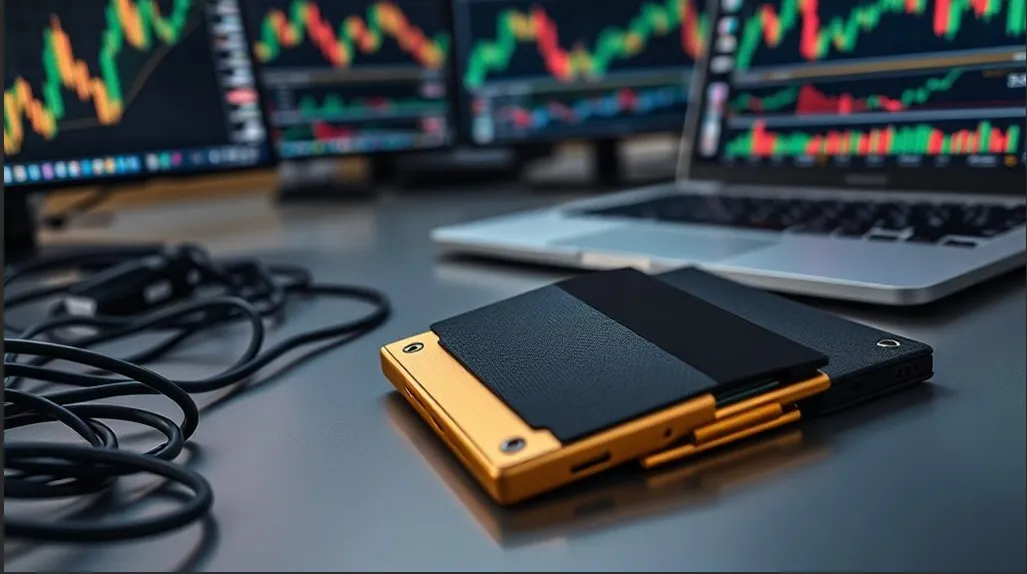
Three wallets is the right starting point, enough to compartmentalize without drowning in seed phrases.
One hot wallet for everyday activity and dApp interactions.
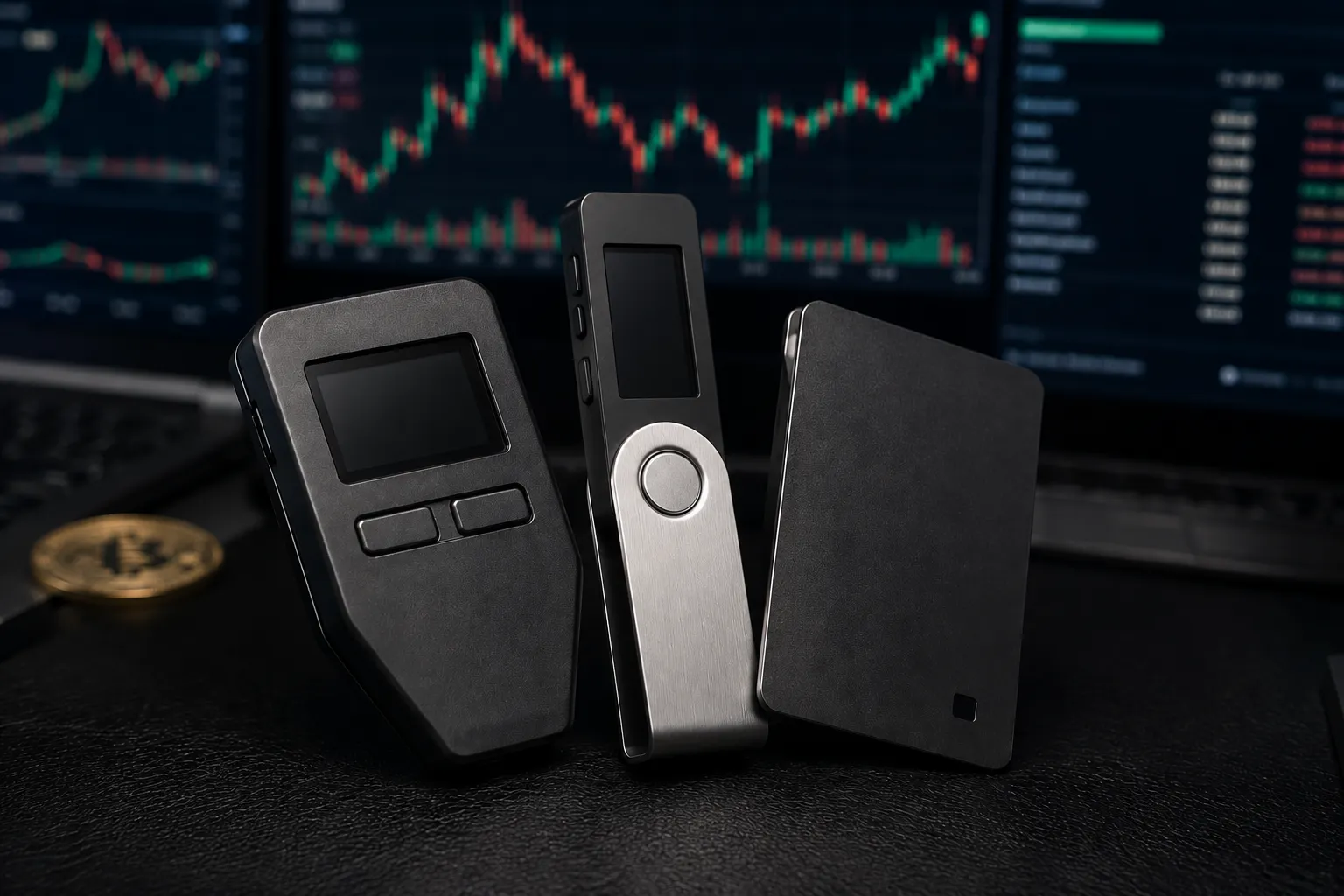
One hardware wallet like Ledger or Trezor for long-term holdings you are not touching regularly.
One exchange account for active trading.
Name them by function, test with small transfers before moving to real size, and you are already ahead of most people who have been in crypto longer than you. Here is how the hot and cold distinction actually works.
🎯 How Many Wallets Does an Intermediate Crypto Trader Need?
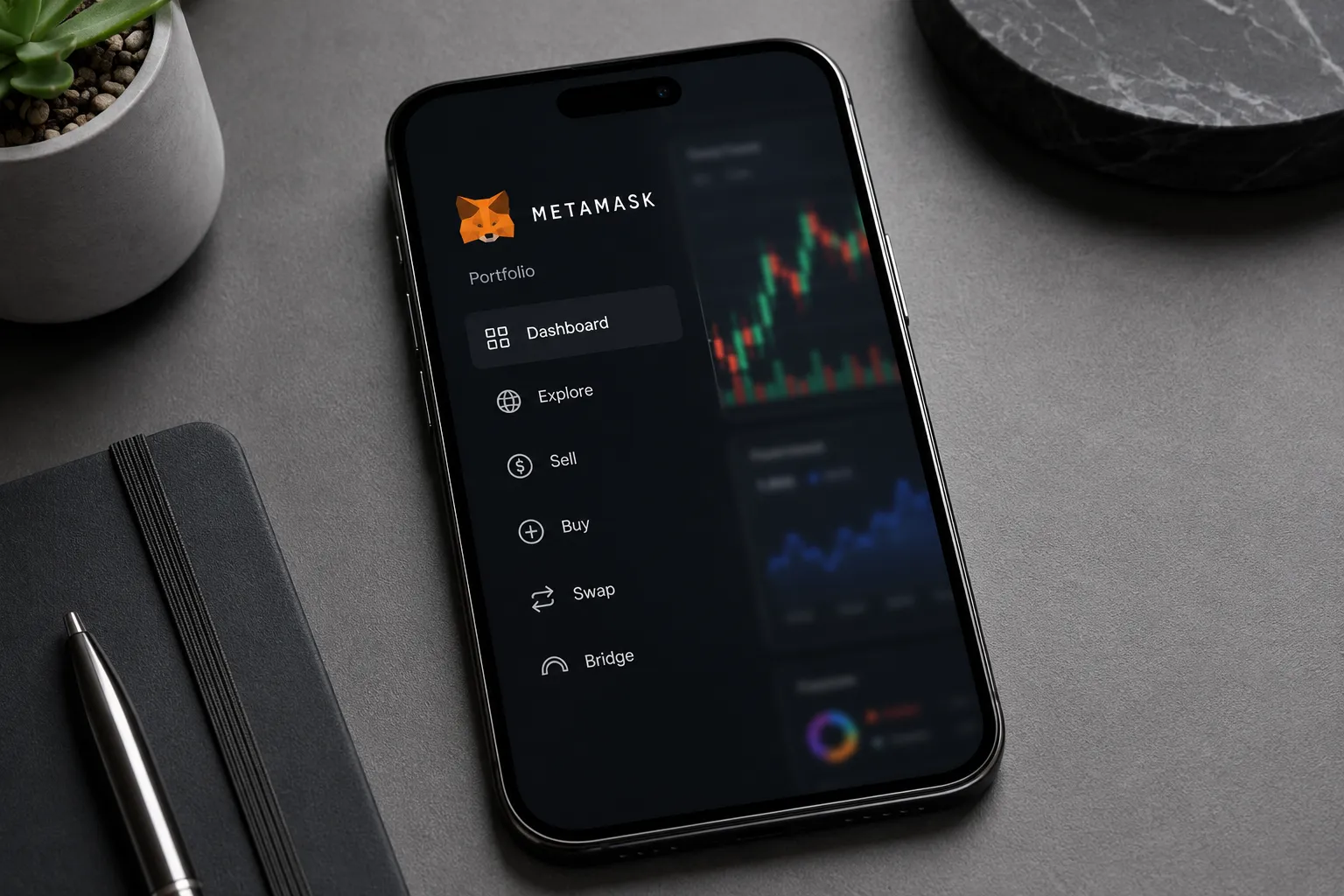
Once the beginner setup is running, the gaps show up fast. Connecting your main wallet to every dApp you test is the equivalent of leaving your front door open. One compromised protocol and everything connected to it is at risk.
At this level, a dedicated DeFi wallet like MetaMask handles yield farming and dApp interactions while keeping your main trading wallet clean and untouched. That separation alone eliminates a significant category of risk.
Multisig wallets are also worth adding at this stage, splitting key control across multiple parties means no single point of failure. That way one compromised device does not end the conversation. Here is how serious traders structure the full stack.
💪 How Many Wallets Do Advanced Crypto Traders Need?
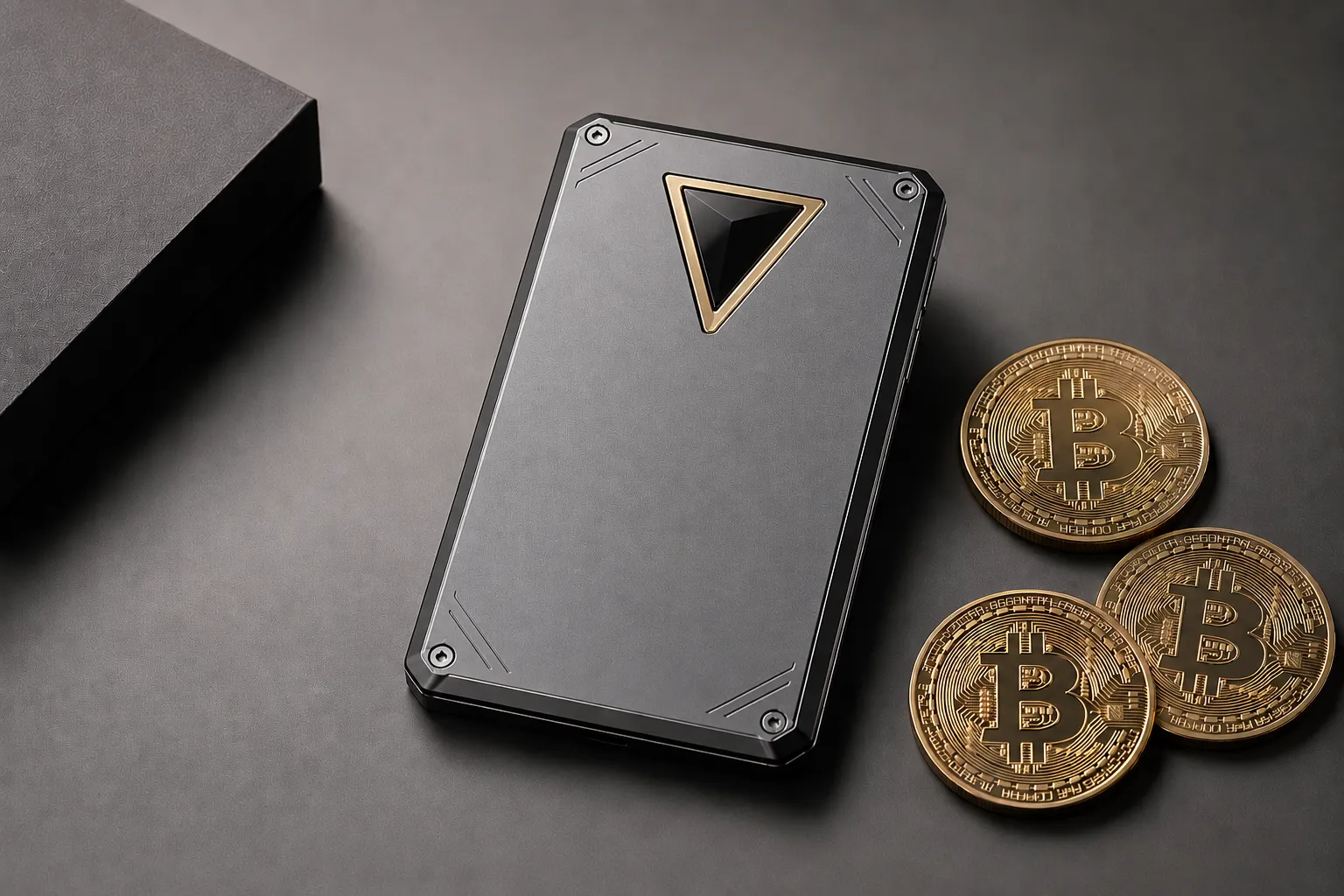
At the advanced level, your wallet structure stops looking like personal finance and starts resembling a risk management framework.
Serious traders run dedicated wallets per blockchain, separate addresses for each exchange they operate on, and multisig configurations that require multiple approvals before anything moves. Nothing significant sits in a single-signature wallet.
Air-gapped cold storage, which are devices that have never touched the internet, handles the bulk of holdings, typically 90% or more. Traders managing over $1M in daily volume commonly run 10+ dedicated wallets and three separate air-gapped devices. The redundancy is not paranoia. It is the architecture that keeps a single breach from becoming a total loss.
At this level, fewer wallets is not minimalism. It is recklessness.
Join our community of 400K+ and never miss breaking news!
We respect and protect your privacy. By subscribing your info will be subject to our privacy policy . Unsubscribe easily at any time
🔖 How to Manage Multiple Wallets
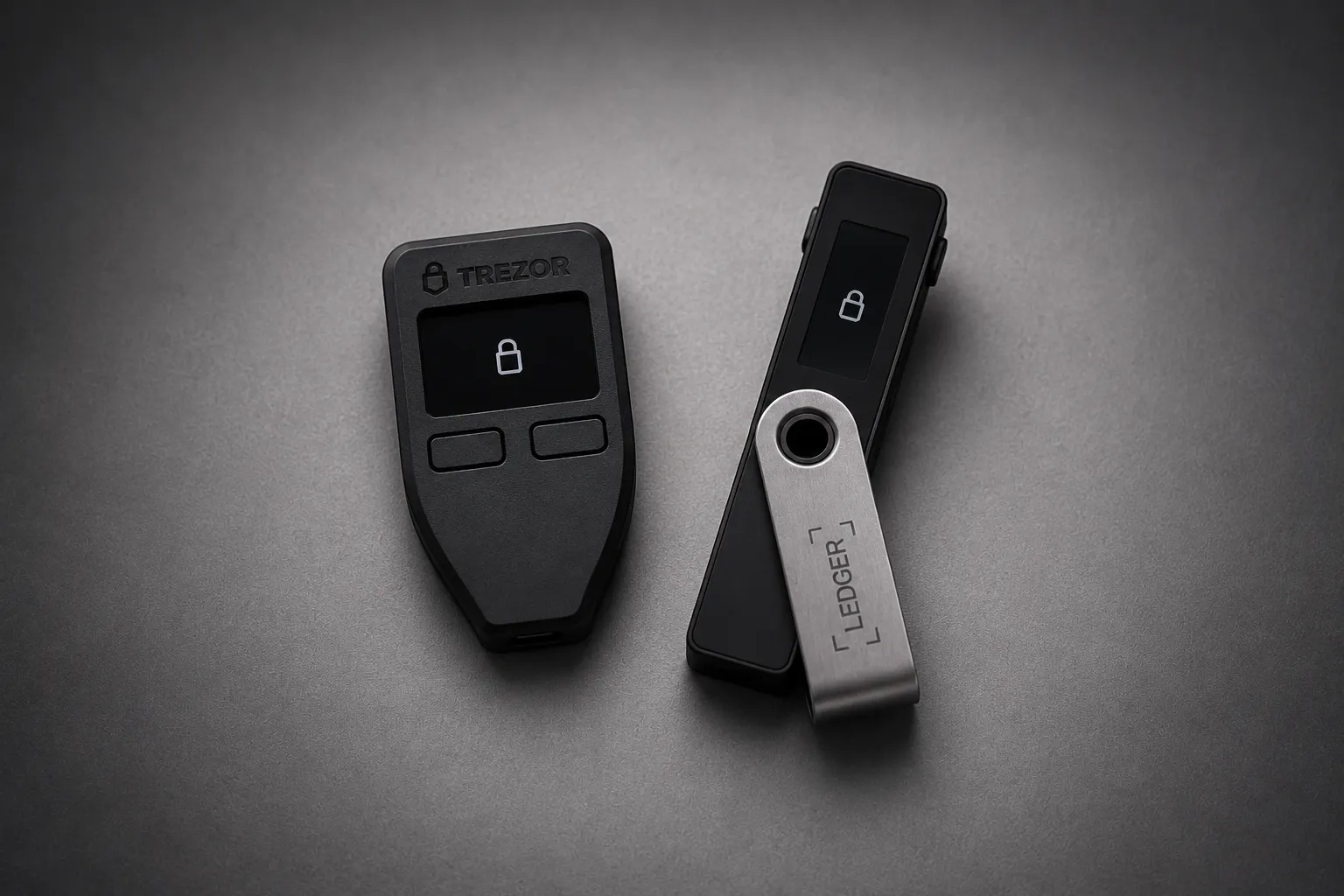
Managing multiple crypto wallets without a system is like juggling chainsaws. Impressive until it isn’t.
Here’s what actually works:
One rule that never changes: never store recovery phrases digitally. Your private keys control everything you own on-chain. Treat their protection accordingly.
✅ Final Thoughts
The number of wallets you need will keep changing as your crypto life evolves. What works today might leave you exposed tomorrow.
Start simple, add layers as your holdings grow, and never let convenience trump security. The right wallet structure is not a one-time decision — it evolves as your assets and the threats against them do
Join 80K traders on our Telegram and subscribe to the weekly newsletter because the unfair advantage is knowing before everyone else does.