

No KYC, No Problem: The Best Privacy-First Exchanges for US Traders in 2026
Get Breaking News First!
Editor’s choice
-
🔐 One Wallet for Everything Is How Most Traders Get Hurt. Here Is How Many You Actually Need
-

💰 Don’t Sell Your Bitcoin – Borrow Against It: The Best Platforms in 2026
-
MetaMask Who? The Web3 Wallets Traders Are Actually Using in 2026
-

💼 When Crypto Trading Becomes a Business: The IRS Rules Every Active Trader Needs to Know
-
₿ Why Local Businesses Are Taking Bitcoin Seriously in 2026
-
⚡ The Best of Both Worlds: How Hybrid Crypto Exchanges Are Changing the Way We Trade
KYC exists for a reason. That doesn’t mean every trader is obligated to love it. In 2026, the demand for privacy-preserving trading options has never been higher, and the infrastructure to support it has never been more developed.
For US users specifically, the landscape requires some navigation. Not everything is accessible, not everything is legal, and not everything that claims to be private actually is. Here’s what’s worth knowing before you go exploring.
🦄 1. Uniswap
Uniswap remains the most reliable no-KYC option for US users. No accounts, no registration, no geography checks, Just connect a wallet and trade.
Join our community of 400K+ and never miss breaking news!
We respect and protect your privacy. By subscribing your info will be subject to our privacy policy . Unsubscribe easily at any time
Liquidity is deepest on Ethereum Layer 2s like Base and Arbitrum, which keeps execution tight for majors and most mid-caps.
You should also know that this is AMM trading, not a traditional order book. Slippage and MEV are part of the deal, not exceptions to it. So, if the L2 landscape is still unfamiliar territory, that’s worth fixing before you start trading on it.
Best for: Large-cap swaps, L2 ecosystems, DeFi-native traders.
Main risk: Slippage and gas during volatility.
🥞 2. PancakeSwap
PancakeSwap remains the go-to no-KYC DEX on BNB Chain – fast, cheap, and accessible to US traders without friction. Fees are low, transactions confirm quickly, and a wallet is all you need to get started.
The tradeoff is ecosystem quality. Real liquidity exists here, but so does a lot of noise. PancakeSwap works best when you know exactly what you’re trading and why – because low fees mean nothing if you’re getting wrecked by slippage in a thin pool.
Best for: Low-fee swaps, fast rotations.
Main risk: Token quality and ecosystem risk.
🔒 3. Bisq
Bisq is as close to censorship-resistant trading as it gets for US users. Peer-to-peer, Tor-native, multisig escrow – no custody, no accounts, no centralized operator that can be leaned on or shut down.
It is not built for speed. Liquidity is thinner, trades take longer, and the UX demands patience. But if resilience and privacy matter more to you than convenience, nothing on this list comes close. Just make sure your self-custody fundamentals are solid before you start – there is no help desk here.
Best for: Bitcoin-only trades, maximum privacy.
Main risk: Slow execution, limited liquidity.
🐂 4. TradeOgre

TradeOgre is a centralized exchange that still permits trading without mandatory KYC and, as of early 2026, does not explicitly block US users. It has carved out a niche in privacy-focused assets and obscure altcoins that bigger platforms won’t touch.
That said, this is not a platform you trust with long-term custody. Liquidity is inconsistent, transparency is limited, and the rules can change without notice. Use it tactically – move funds in, execute, move funds out. Complacency on a platform like this has a cost. If you are managing multiple wallets and venues, keeping your hot and cold storage strategy airtight is what separates a calculated risk from a preventable loss
Best for: Privacy coins, niche alts.
Main risk: Thin order books, centralized custody.
Join our community of 400K+ and never miss breaking news!
We respect and protect your privacy. By subscribing your info will be subject to our privacy policy . Unsubscribe easily at any time
🟡 5. CoinCatch
CoinCatch is one for the proceed-with-caution column. It offers meaningful non-KYC withdrawal limits as of early 2026, publishes Proof of Reserves, and covers basic spot functionality without requiring full verification – which makes it attractive on paper.
It is still a centralized exchange operating in regulatory gray territory. Policy risk is real, conditions can shift overnight, and what’s permitted today may not be tomorrow. If you explore this route, do your own research on current legality for your jurisdiction before allocating a single dollar. Have an exit plan before you need one.
Best for: Higher withdrawal limits without full KYC.
Main risk: Policy changes, centralized control, and regulatory uncertainty.
⚠️ What US Traders Should Avoid
Any exchange that explicitly bans US users but “seems to work” is a liability waiting to activate. Account freezes do not come with warnings or appeals – they just happen.
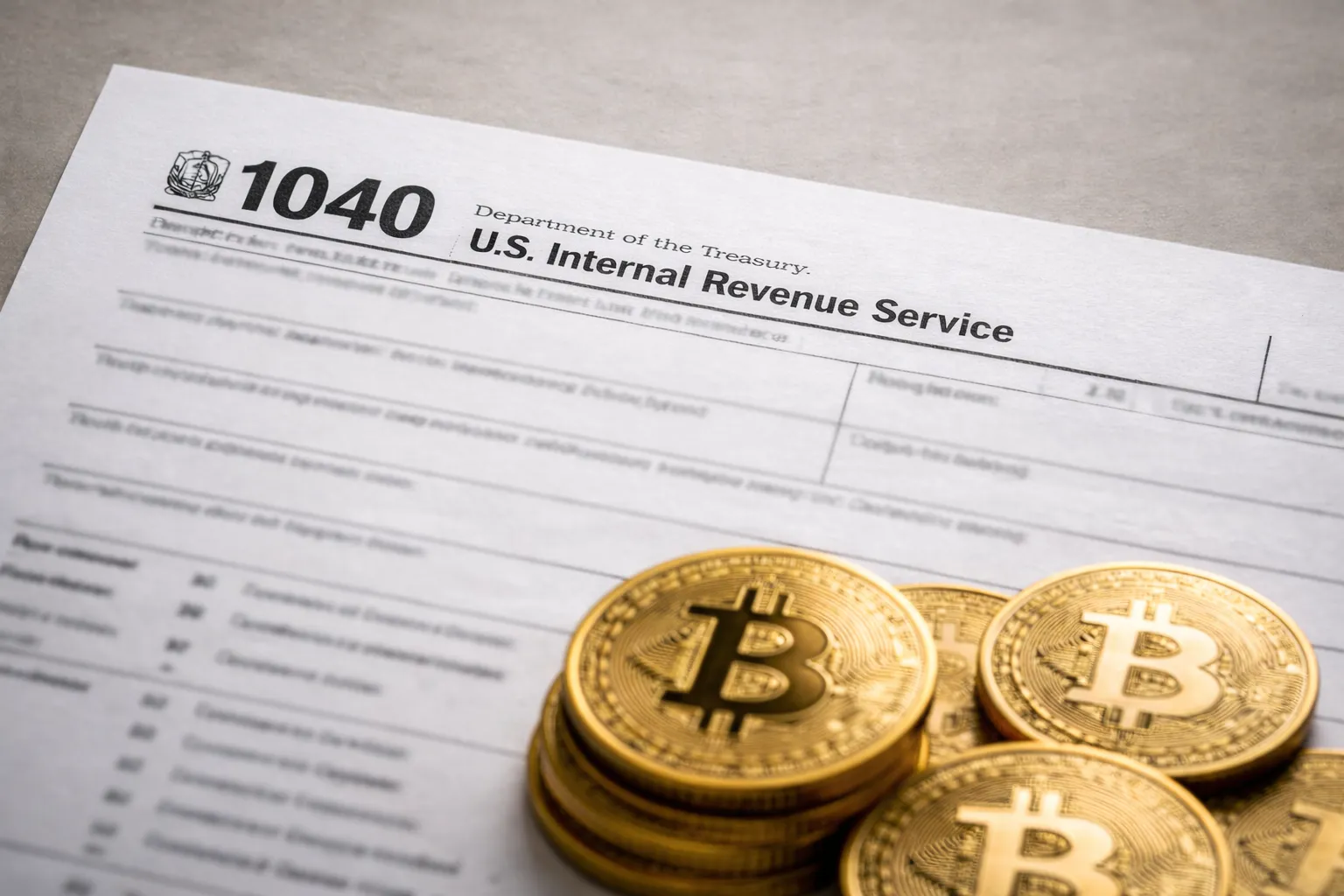
No-KYC also does not mean no taxes. On-chain activity is traceable, and the IRS has made that abundantly clear.
🎯 The Bottom Line
Centralized platforms are tightening, regulations are expanding, and the exchanges pretending otherwise will be someone else’s problem soon enough. No-KYC trading in 2026 is not about hiding from the system. It is about not being caught off guard by it.
The 62,000 traders in our Telegram are already navigating this. The weekly newsletter keeps you ahead of the next shift – sign up before it becomes relevant the hard way.