

US Banks Are Allowed to Hold Crypto — Just Not the Way You Think
Get Breaking News First!
Editor’s choice
-
Privacy Coins Explained: What They Are and How They Work
-
US Banks Are Allowed to Hold Crypto — Just Not the Way You Think
-

What Is a Dust Attack — and Why Is There Random Crypto in Your Wallet?
-

Front-Running in Crypto: How It Works and How to Protect Yourself
-

America’s Biggest Profit Engines: Who’s Growing Fastest in 2026
-

Why Venezuela’s Locked-Up Billions Suddenly Matter to U.S. Energy Stocks
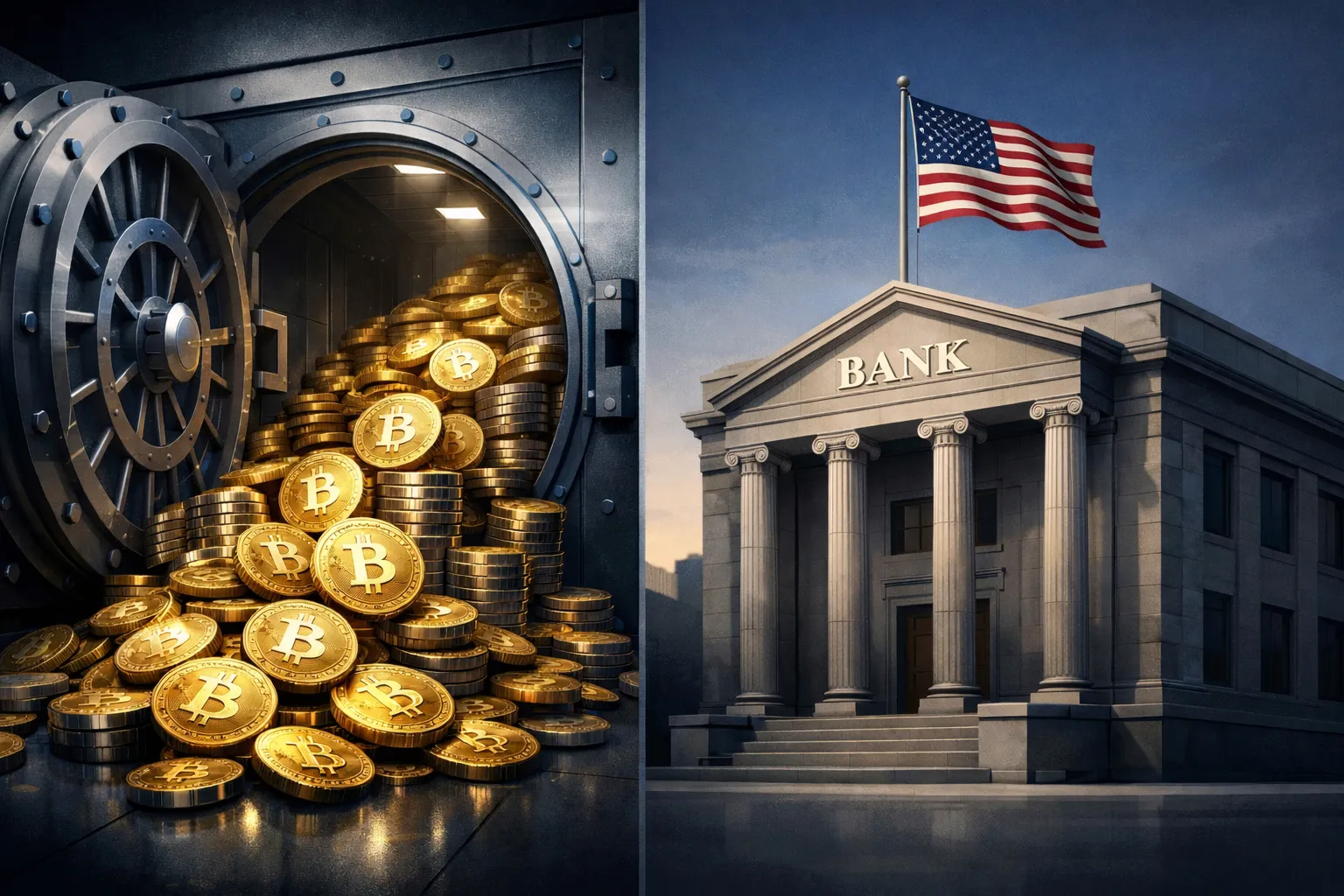
US banks can finally hold crypto, but don’t get ahead of yourself. They’re not custodying Bitcoin for customers or stockpiling tokens for yield. They’re allowed to hold crypto only to pay blockchain gas fees.
So while it sounds like progress, the scope is deliberately narrow. Banks aren’t embracing crypto as an asset — they’re using it as plumbing.
Here’s what that actually means, why regulators drew the line there, and what signal this really sends to the market.
Join our community of 400K+ and never miss breaking news!
We respect and protect your privacy. By subscribing your info will be subject to our privacy policy . Unsubscribe easily at any time
⚖️ What the New Rules Allow

While banks have technically been allowed to offer crypto custody for years, OCC Interpretive Letter 1186 clarifies an essential operational detail: national banks can now hold small amounts of native blockchain tokens like ETH or SOL solely to pay network gas fees.
This is a real shift, just not the moonshot some headlines make it out to be. Before this, banks needed explicit approval just to touch crypto. Now, the OCC is basically saying: if you need tokens to make the system work, go ahead.
The catch is obvious. Banks aren’t allowed to hold crypto to speculate, earn yield, or take price risk. These tokens are strictly for getting transactions across the line. Think of it as keeping a little change in your pocket to pay tolls, not building a trading stack.
🔖 Why Only Gas Fees?

The OCC drew a very deliberate line here, and it’s worth understanding why they stopped at gas fees instead of giving banks a green light to HODL Bitcoin like it’s 2017.
This approach solves a practical problem: banks can’t execute blockchain transactions without native tokens like ETH, which function as fuel for network operations.
The ruling permits holding crypto for legitimate banking activities, explicitly excluding trading or investment positions.
This distinction matters because it allows banks to participate in tokenized finance while maintaining traditional risk management frameworks. It also keeps banks functional without becoming crypto hedge funds.
🚨 Implications for Banks and the Crypto Industry
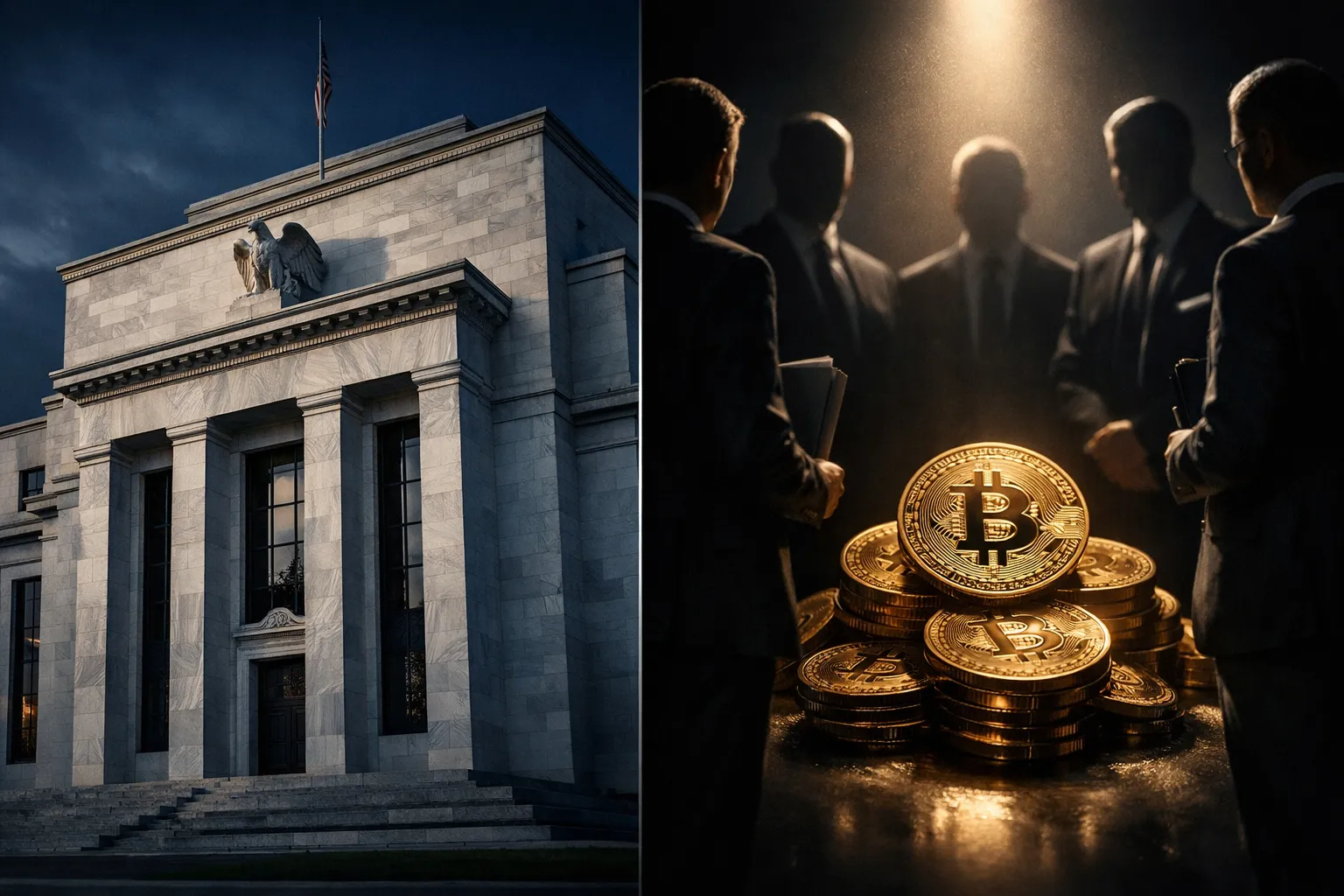
OCC Letter 1186 cracks the door open, but it doesn’t blow it off the hinges. National banks are easing into blockchain the same way you test pool water with your toe: carefully, and ready to pull back fast.
They can now hold native tokens for basic operations, but they’re still navigating fuzzy “safe and sound” standards that leave little room for experimentation. Add to that a key imbalance: the Federal Reserve hasn’t issued similar guidance for state-chartered banks.
That gap matters. National banks suddenly have a regulatory edge, making them more attractive partners for crypto and tokenized finance. It’s also a reminder of the differences between public and private blockchain models, why some networks let anyone see everything and others prioritize privacy and control (we break this down in our guide on public vs private blockchains). Still, nobody’s rushing in. Banks are trying to gain efficiency without exposing themselves to the price swings that come with assets like ETH — progress, just tightly leashed.
📌 Final Thoughts
Banks finally have permission to touch crypto, but only enough to keep the lights on. It’s not adoption yet, it’s a cautious test run that says more about regulatory comfort than conviction.
Trade smarter, not harder. 🏆 Join 20k+ traders on Telegram for up-to-the-minute signals. Our newsletter delivers clear, practical crypto knowledge every week.
Join our community of 400K+ and never miss breaking news!
We respect and protect your privacy. By subscribing your info will be subject to our privacy policy . Unsubscribe easily at any time