

Connecticut’s Bitcoin Ban: Why One State Just Slammed the Door on Crypto

Get Breaking News First!
Editor’s choice
-

🔐 One Wallet for Everything Is How Most Traders Get Hurt. Here Is How Many You Actually Need
-

💰 Don’t Sell Your Bitcoin – Borrow Against It: The Best Platforms in 2026
-

MetaMask Who? The Web3 Wallets Traders Are Actually Using in 2026
-
💼 When Crypto Trading Becomes a Business: The IRS Rules Every Active Trader Needs to Know
-

₿ Why Local Businesses Are Taking Bitcoin Seriously in 2026
-

⚡ The Best of Both Worlds: How Hybrid Crypto Exchanges Are Changing the Way We Trade
On June 30, 2025, Connecticut didn’t just test the crypto waters—it cannonballed into the deep end. Governor Ned Lamont signed House Bill 7082, banning all state agencies, cities, and public funds from holding, investing in, or accepting cryptocurrency.
Starting October 1, not a single taxpayer dollar in Connecticut can touch Bitcoin, Ethereum, or even “safe” stablecoins.
While other states are racing to stack sats in their treasuries, Connecticut just served the coldest crypto rejection in U.S. history.
Join our community of 400K+ and never miss breaking news!
We respect and protect your privacy. By subscribing your info will be subject to our privacy policy . Unsubscribe easily at any time
If you trade, build, or even dabble in this space, you’d better understand what this line in the sand really means… and where it might spread next.
What Exactly Got Banned?🤔
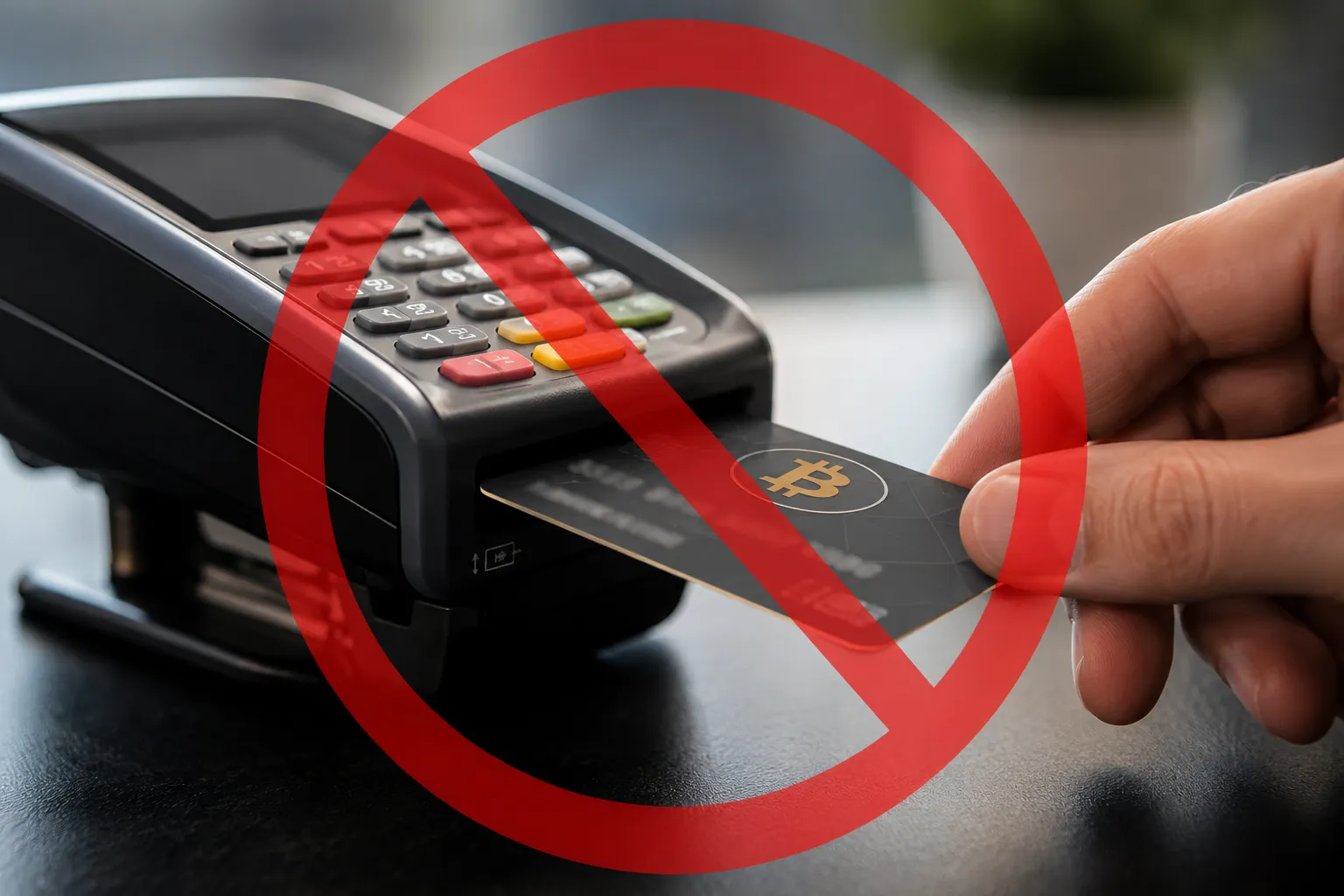
House Bill 7082 doesn’t mince words. Here’s the breakdown:
Think of it as the regulatory equivalent of shutting the door and deadbolting it.
Connecticut is the first U.S. state to take such an all-encompassing position against government crypto exposure.
Several states are pro-crypto, though. Here’s our list of US states that have Bitcoin strategic reserve plans. Is your state on the list?
🧠 Why Did Connecticut Go Full Ban Mode?

The state’s reasoning is a familiar blend of caution and politics:
Contrast this with Texas, where policymakers are still flirting with the idea of Bitcoin treasuries and friendly frameworks to attract crypto startups. The divergence is widening by the month.
How the Crypto Community Reacted

Predictably, the reaction split down ideological lines.
🔥 Critics called it a setback for U.S. innovation: They argue it signals America can’t build consistent policy around digital assets, pushing startups to friendlier states or offshore altogether.
🔒 Supporters applauded the clarity: They see it as the responsible move to shield public money from volatility and avoid reputational blowups.
Put simply, institutions didn’t blink much because most were never counting on Connecticut to lead the charge. But the ban does punctuate a sour turn in public sector sentiment.
Implications for Traders and Startups

This is where your risk management game needs to be airtight. If you haven’t thought about hedging against regulatory shocks, start now. Here’s how to hedge like a boss.
Join our community of 400K+ and never miss breaking news!
We respect and protect your privacy. By subscribing your info will be subject to our privacy policy . Unsubscribe easily at any time
What Comes Next?

Connecticut’s move is just the first salvo. Here’s what’s on the horizon:
Meanwhile, places like Florida and Arizona are doubling down on pro-Bitcoin policy to attract capital and headline attention. The split is real, and traders should treat it like a macro driver.
If you’re planning to HODL, make sure to check out our in-depth guide on crypto risk management tips to avoid getting rekt.
📉 Don’t Fall for Political Showdowns. Invest Wisely.
Connecticut just drew a clear red line: no Bitcoin, no crypto treasuries, no blockchain payments.
This isn’t just a local policy spat. It’s proof that U.S. crypto adoption is a state-by-state brawl, not a Washington-only affair.
Stay sharp. Other states won’t stay on the sidelines for long.
Want to get ahead of the next policy shock? Join our Telegram channel and subscribe to the weekly newsletter… because in crypto, information is survival.