

What Happens When All the Bitcoins in the World Have Been Mined?
Get Breaking News First!
Editor’s choice
-

What Is DeFi? How Decentralized Finance Unlocks Financial Freedom
-
The Real Trader’s Guide to Crypto Market Orders
-
NFTs Explained for Beginners: Why Digital Ownership Actually Matters
-
How Crypto Scoring Really Works (And Why Rankings Matter More Than Hype)
-

The Rise of the Micro-Influencer in Web3
-
The 24/7 Market: How to Avoid “Crypto Burnout.”
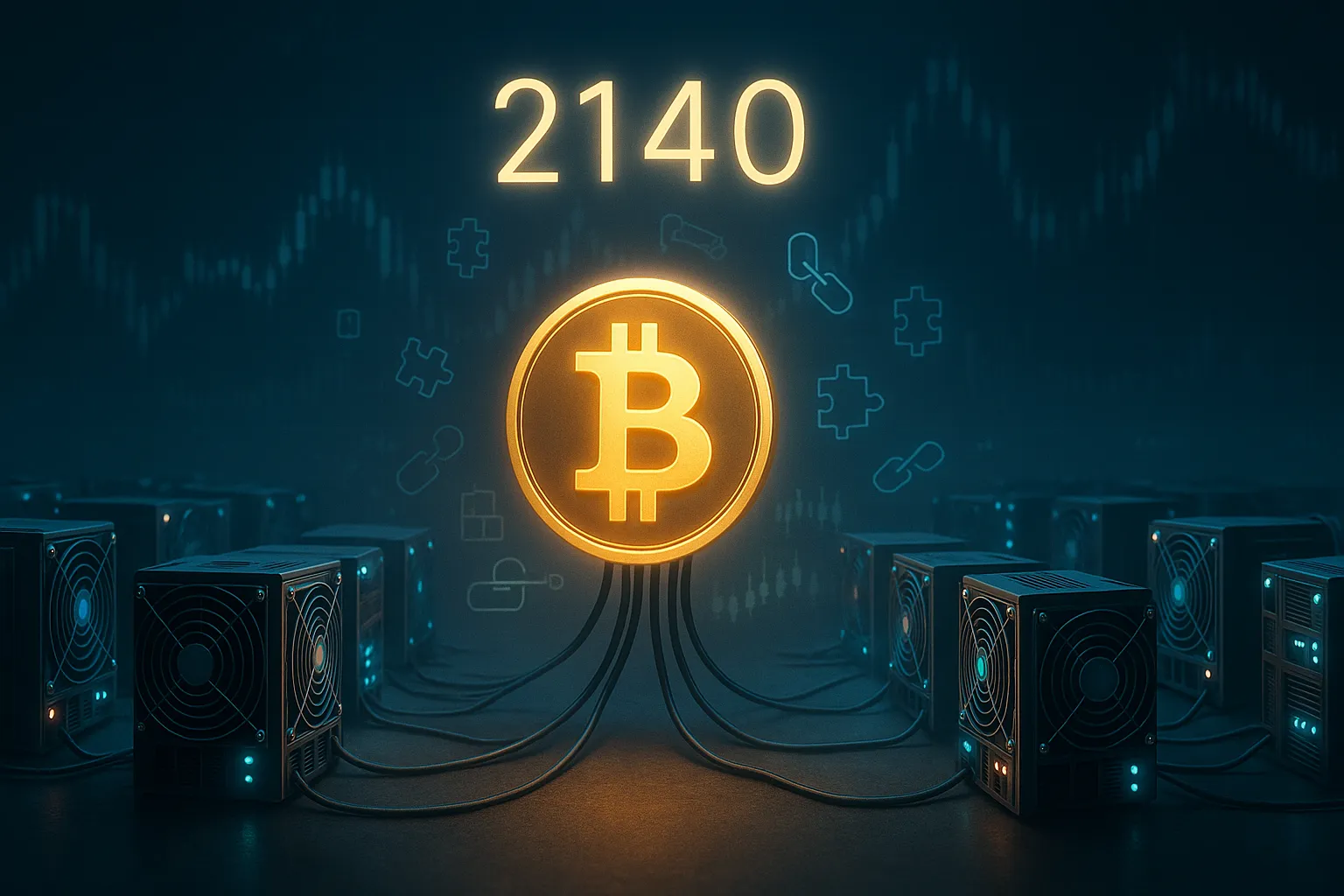
At some point, roughly around the year 2140, the last Bitcoin will be mined. No more block rewards. No new supply. Just 21 million coins circulating forever.
So what happens then?
Does Bitcoin collapse without miners? Do fees skyrocket? Does the network still run?
This isn’t just a future problem, it’s a monetary endgame already shaping how Bitcoin works today. Let’s break down what changes when the mint runs dry.
Join our community of 400K+ and never miss breaking news!
We respect and protect your privacy. By subscribing your info will be subject to our privacy policy . Unsubscribe easily at any time
💡 Bitcoin Mining: Overview
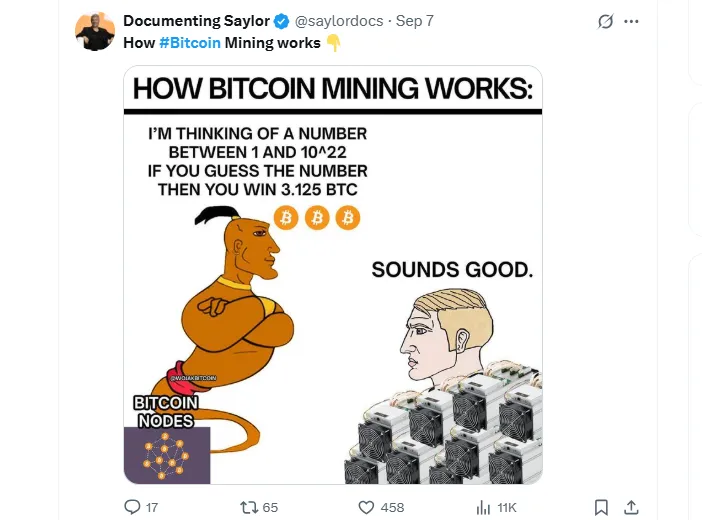
Bitcoin mining is basically a global game of “solve the puzzle, win the prize.”
Every 10 minutes, miners race to crack complex cryptographic puzzles, and the winner earns newly minted Bitcoin plus transaction fees.
Back in 2009, those jackpots were 50 BTC per block. But Bitcoin’s brilliance lies in built-in scarcity — every four years, rewards get cut in half through an event called the halving.
We’ve already gone from 50 BTC → 6.25 BTC → 3.125 BTC in April 2024. The next halving, expected in 2028, will drop it again to around 1.56 BTC.
This halving cycle will continue until around 2140 when the final Bitcoin is mined and new coins stop flowing into the system.
Maybe that’s why these countries are taking a strategic Bitcoin reserve seriously.
📌 What Happens After All Bitcoins Are Mined?
Once 2140 hits and the last Bitcoin is mined, miners won’t just pack up and go home.
Instead of block rewards, miners will shift to earning their keep purely through transaction fees. Today’s average fee might be around $1.30, but that number will likely rise as users compete for limited block space.
Think of it like bidding for concert tickets — the more demand, the higher the price. The big question is whether these fees alone can keep miners motivated and the network secure.
The good news is mining efficiency keeps improving, with operations moving to areas with dirt-cheap renewable energy.
Plus, if Bitcoin’s value and adoption keep growing, those transaction fees could become quite the golden ticket.
🚨 Economic Implications
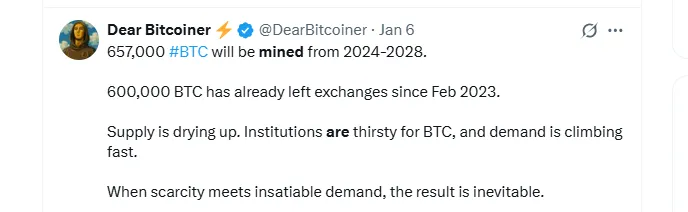
Bitcoin is rare, valuable, and resistant to inflation. To add flavor, around 3 to 4 million Bitcoins are believed lost forever, locked away in forgotten wallets or lost keys.
Join our community of 400K+ and never miss breaking news!
We respect and protect your privacy. By subscribing your info will be subject to our privacy policy . Unsubscribe easily at any time
This scarcity, paired with growing institutional adoption and demand, creates upward pressure on price.
Also, unlike traditional money that can be printed endlessly, Bitcoin’s supply is fixed and shrinking in availability, making every coin a potential treasure in itself.
As block rewards fade and demand climbs, fees and price action will shape the next chapter of Bitcoin’s economy.
⚠️ Challenges and Potential Solutions
When the last bitcoin is mined, we’ll face some serious challenges around keeping miners motivated and the network secure.
Think of it like a city’s police force suddenly working for tips instead of salaries. You’d want to make sure they’re still incentivized to protect the streets.
Here’s what keeps crypto experts up at night:
The good news is solutions like improved fee markets and advanced security protocols are already in development. The shift from traditional Proof of Work to Proof of Stake mechanisms could provide better security while requiring less computational power.
And with Layer-2 tools like Lightning Network, Bitcoin might balance security and transaction costs better than ever.
🧨 Final Thoughts
We won’t see Bitcoin’s grand finale in 2140, but it’s not the crypto doomsday some predict. Think of it as Bitcoin graduating from mining school — finally running on its own.
The mining era may fade, but the network will adapt, evolve, and keep proving skeptics wrong.
No flying cars by 2140, maybe — just a self-sustaining Bitcoin that outlived every critic.
And now that you know that, do you think the U.S. Bitcoin mining centralization is becoming a risk to the industry? See what we think.
Your crypto advantage starts here. ⚡ Join 20,000+ traders on Telegram for market-moving alerts and join our newsletter for weekly deep dives and smart plays.