

What Is a “Souldrop”? A New Way Projects Reward Your Reputation
Get Breaking News First!
Editor’s choice
-
🔐 One Wallet for Everything Is How Most Traders Get Hurt. Here Is How Many You Actually Need
-

💰 Don’t Sell Your Bitcoin – Borrow Against It: The Best Platforms in 2026
-
MetaMask Who? The Web3 Wallets Traders Are Actually Using in 2026
-

💼 When Crypto Trading Becomes a Business: The IRS Rules Every Active Trader Needs to Know
-
₿ Why Local Businesses Are Taking Bitcoin Seriously in 2026
-

⚡ The Best of Both Worlds: How Hybrid Crypto Exchanges Are Changing the Way We Trade
Airdrops used to reward anyone who showed up with a wallet.
Now projects want something more precise.
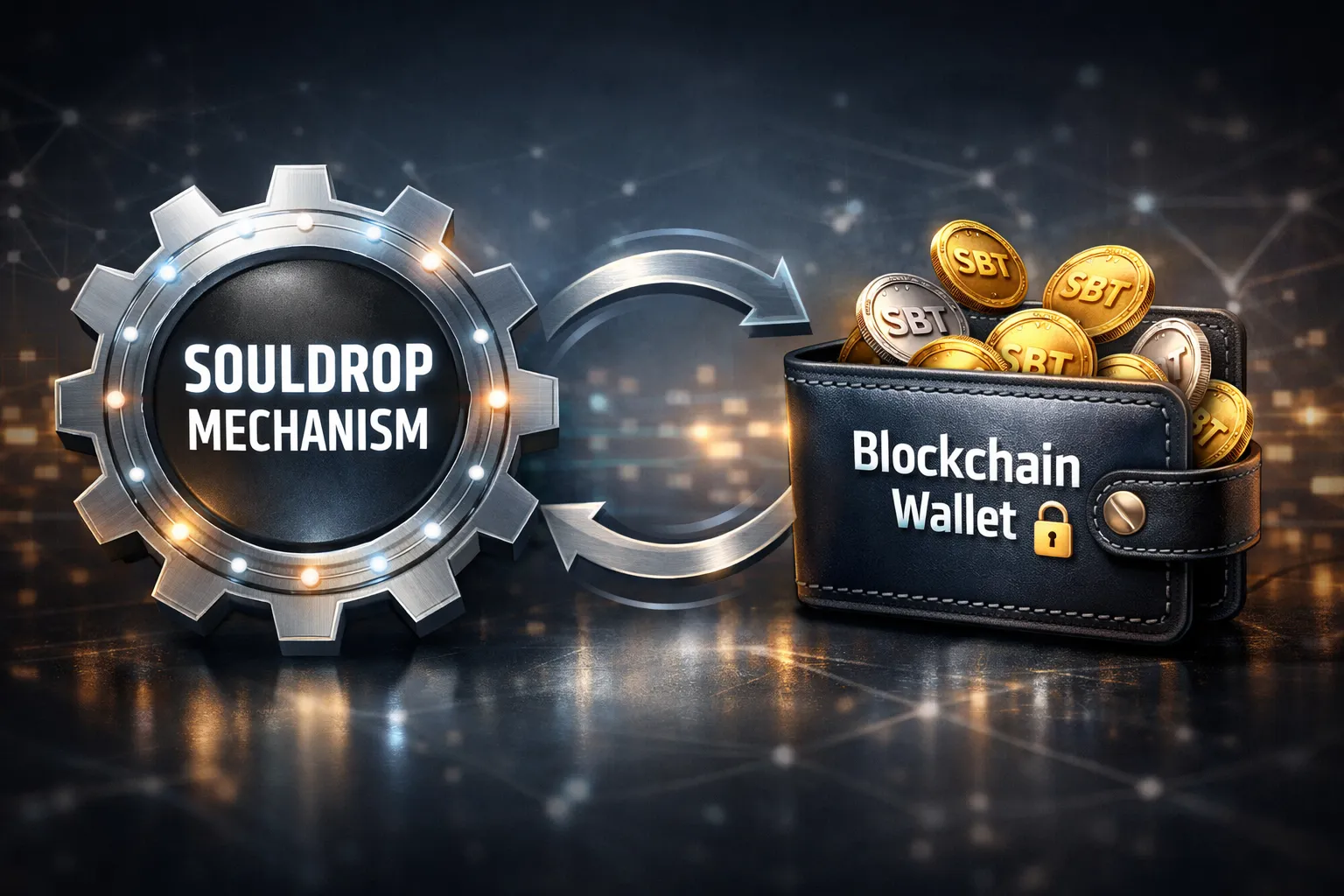
Souldrops distribute tokens based on your on-chain reputation – the credentials, contributions, and participation tied to your wallet. Instead of rewarding random addresses, they aim to reward the people who actually helped build the ecosystem.
Join our community of 400K+ and never miss breaking news!
We respect and protect your privacy. By subscribing your info will be subject to our privacy policy . Unsubscribe easily at any time
📌 What Are Soulbound Tokens (SBTs)?
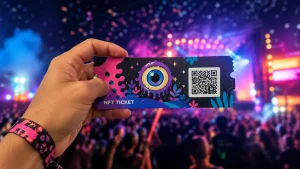
Soulbound tokens are non-transferable NFTs permanently tied to your wallet. They record things that shouldn’t be tradable, like achievements, credentials, memberships, or proof you actually participated on-chain.
Vitalik Buterin proposed the idea in 2022 as a kind of “Web3 resume.” Your wallet could hold things like digital diplomas, hackathon participation, or proof you actually attended that blockchain conference you keep mentioning.
The name comes from gaming. In World of Warcraft, rare “soulbound” items permanently attach to the player who earns them. You can’t trade them or pass them along.
Same idea here. Reputation becomes something you accumulate – and something you can’t fake.
💡 How Souldrops Work – The Process
✅ 1. Earn SBTs Through Actions
Soulbound tokens don’t show up randomly. You earn them by doing things that actually matter in the ecosystem — winning a hackathon, voting in a DAO, or uncovering a serious bug in a protocol. When that happens, projects can issue an SBT that permanently records the contribution on your wallet.
Over time, those records start to stack up. Hackathon wins, DAO participation and security contributions gradually strengthen your on chain reputation.
And that reputation is exactly what projects scan when deciding who deserves a souldrop.
🔍 2. Project Scans Wallets For Relevant SBTs
Once a project decides to run a souldrop, it takes a snapshot of the blockchain at a specific moment. That snapshot freezes the state of wallets right there.
From there, the project scans those wallets for credentials such as DAO participation or hackathon badges. Anything that proves real contribution.
If the signals are there, the wallet qualifies. Because the snapshot locks everything in place, nobody can rush in afterward and fake activity just to grab the reward.
💰 3. Qualified Wallets Receive Tradeable Tokens
Once a wallet qualifies, the project distributes the actual tokens.
Your SBTs help determine how much you receive. More meaningful contributions usually translate into a larger allocation, something that becomes clearer once you understand how tokenomics shape supply and distribution.
Unlike soulbound tokens, these rewards are fully tradable. You can hold them, sell them, or deploy them elsewhere in the ecosystem.
Join our community of 400K+ and never miss breaking news!
We respect and protect your privacy. By subscribing your info will be subject to our privacy policy . Unsubscribe easily at any time
🧨 Use Cases for Souldrops

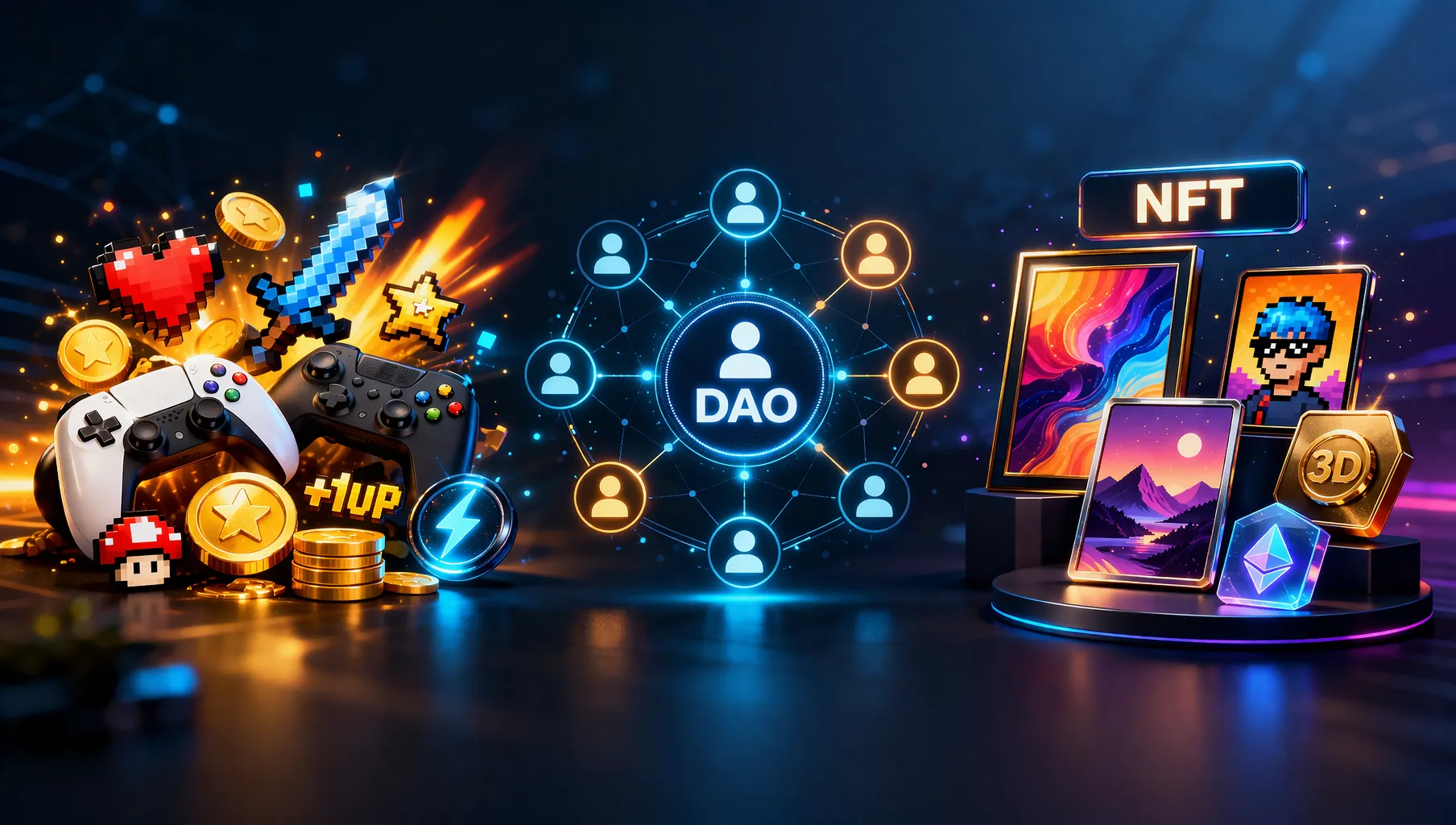
🎮 Gaming Projects
Gamers have been grinding achievements for years with nothing to show for it outside the game itself.
Souldrops change that.
Some blockchain gaming projects now treat verified achievements like tournament wins, rare skins, or leaderboard rankings as reputation signals. Those credentials can qualify wallets for token rewards.
In other words, the reputation you build in-game can start carrying value outside it.
⚖️ DAOs
DAOs eventually ran into the same problem every organization faces: how do you reward the people who actually contribute, not just the wallets holding the most tokens?
Souldrops offer one answer.
Submit proposals, vote consistently, help manage treasury decisions, and those contributions can be recorded through soulbound tokens tied to your wallet. Over time, that activity builds a visible reputation. When token distributions happen, wallets with real participation receive a larger share.
If you’re curious how these organizations actually run, you can learn more in our guide on how to start a DAO.
🤝 NFT Communities
NFT communities quickly realized that holding a JPEG doesn’t make you a contributor.
Some projects now issue soulbound badges for things like moderating forums, curating content, or helping with governance. Those badges prove you actually participated.
When souldrops happen, wallets with those credentials move to the front of the line. And because the badges are soulbound, you can’t fake the credibility.
🧯 Final Thoughts
Airdrops rewarded wallets. Souldrops reward hardwork.
Instead of farming transactions, projects are starting to look at reputation – what you built, where you contributed, and how your wallet actually behaved on-chain.
If that trend sticks, your on-chain history may soon matter more than your wallet balance.
🔗 Stay Connected
💬 Join 60k+ traders on Telegram for real-time market talk
📩 Get practical crypto breakdowns and trader insights in our weekly newsletter
📰 Follow DayTrading.co on MSN for the next story shaping the crypto market