

What Is a Dust Attack – and Why Is There Random Crypto in Your Wallet?

Get Breaking News First!
Editor’s choice
-

🔐 One Wallet for Everything Is How Most Traders Get Hurt. Here Is How Many You Actually Need
-

💰 Don’t Sell Your Bitcoin – Borrow Against It: The Best Platforms in 2026
-
MetaMask Who? The Web3 Wallets Traders Are Actually Using in 2026
-

💼 When Crypto Trading Becomes a Business: The IRS Rules Every Active Trader Needs to Know
-
₿ Why Local Businesses Are Taking Bitcoin Seriously in 2026
-

⚡ The Best of Both Worlds: How Hybrid Crypto Exchanges Are Changing the Way We Trade
If you’ve ever opened your wallet and spotted a tiny amount of crypto you don’t remember receiving, you’re not alone, and it’s usually not free money. That random “dust” can be part of a dust attack, a technique used to track wallets, map identities, and set up future phishing or scam attempts.
Dust attacks don’t drain your funds directly. They’re quieter, more patient, and often more dangerous because they target your privacy first. Here’s how they work, who uses them, and what to do before a harmless-looking balance turns into a real problem.
💡 What Is a Dust Attack?

Imagine opening your crypto wallet and spotting a few cents of Bitcoin you don’t remember receiving. You didn’t buy it, earn it, or click anything – it just showed up. That tiny, unwanted balance is called dust.
Join our community of 400K+ and never miss breaking news!
We respect and protect your privacy. By subscribing your info will be subject to our privacy policy . Unsubscribe easily at any time
A dust attack happens when someone sends these small amounts to thousands of wallets on public blockchains like Bitcoin, Litecoin, or Dogecoin. Because these networks are transparent by design – anyone can see every address and every transaction – that dust becomes a way to start mapping your activity. This trade-off between openness and privacy is exactly what separates public ledgers from more private systems, as we explain in our guide to public vs private blockchains.
The dust itself won’t hurt you. But it turns into a privacy nightmare, exposing you to phishing or extortion.
🤖 How Dust Attacks Work
📩 Step 1: Attacker Sends Dust
Attackers send tiny amounts of crypto – “dust” – to thousands or even hundreds of thousands of public wallet addresses. It costs them almost nothing, but it quietly drops a traceable marker into each wallet.
Most people don’t notice it, which is exactly the point.
💸 Step 2: You Spend It With Real Money
That dust just sits there until you make a regular transaction. When you spend your crypto, your wallet combines balances automatically, mixing the dust in with your real funds. The dust now moves alongside your legitimate transaction.
🖲️ Step 3: You’re Tracked
Because blockchains are transparent, analytics tools can follow that dust as it moves. Over time, addresses get linked together into clusters that suggest single ownership. What once looked like separate wallets can turn into a connected map of balances, behavior, and spending patterns.
That data can then be used or sold to power targeted phishing, extortion attempts, or other privacy attacks. The person sending the dust isn’t always the same one analyzing it, which means your information can travel further than you think.
🚨 Who Does This and Why?

🚩 Criminals
Cybercriminals use dust attacks to identify wallets holding serious value. Once they spot a whale, the follow-up is predictable: phishing emails, fake websites, or straight-up extortion. Groups like North Korean hacking crews, which have stolen over $1.3B in crypto, show just how organized and motivated these operations are.
🔎 Governments
Law enforcement agencies also use dusting to de-anonymize suspects. By tracking where dust moves, they can link multiple wallets to the same owner, much like connecting fingerprints at a crime scene.
Authorities combine dusting with blockchain analytics to investigate tax evasion, money laundering, or illicit activity – quietly and over time.
⚙️ Analytics Firms
Not every dust attack comes from hoodie-wearing hackers cackling over stolen Bitcoin – sometimes it’s just researchers in khakis running experiments.
Analytics firms partner with Web3 projects and law enforcement to study transaction flows, privacy risks, and on-chain exploits without malicious intent.
But it’s still kinda invasive though, right?
🧯So, How Do You Protect Yourself?
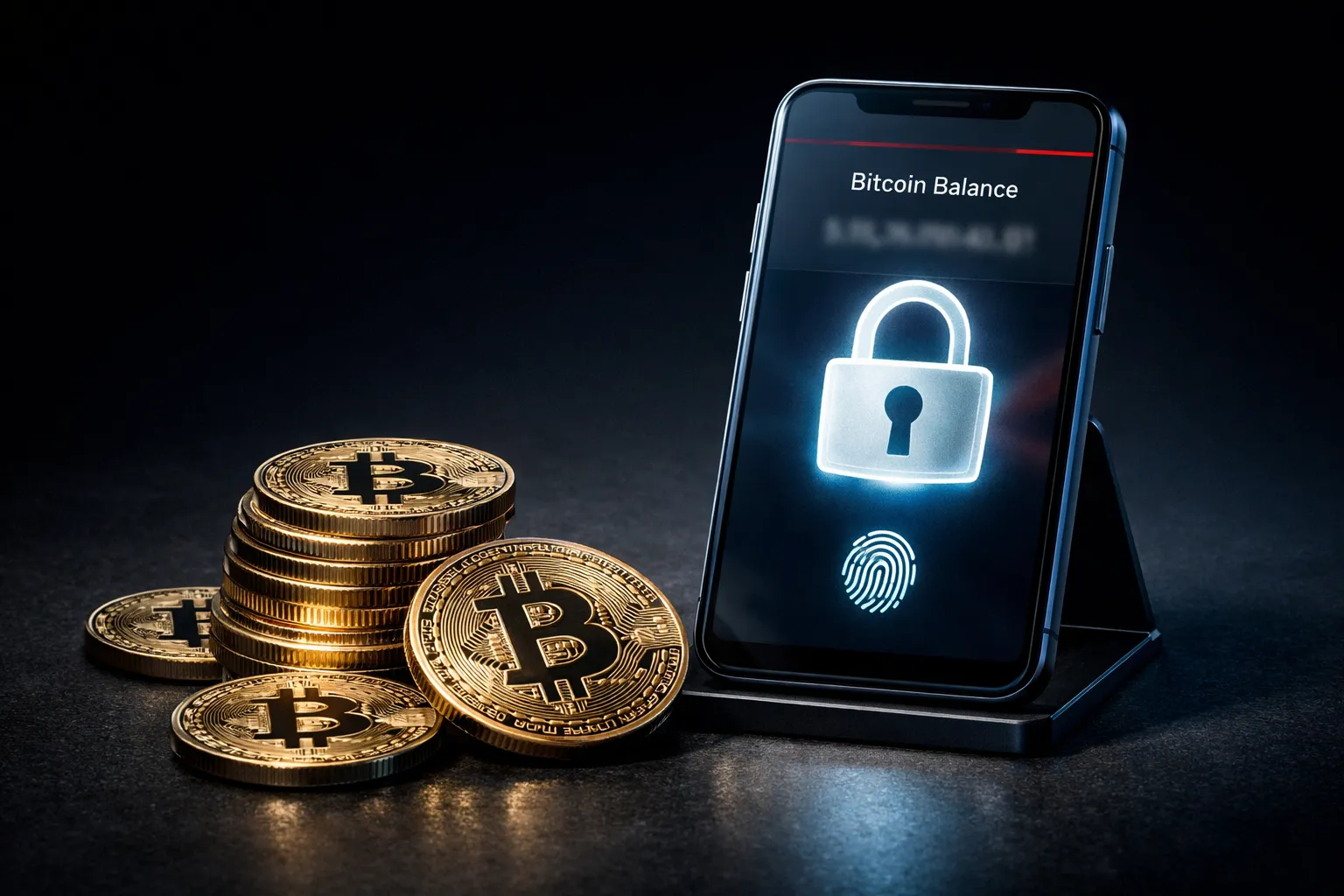
First, use Hierarchical Deterministic (HD) wallets that auto-generate fresh addresses for every transaction. These wallets are like identity chameleons, constantly shifting your appearance on the blockchain while trackers scramble to connect the dots.
Join our community of 400K+ and never miss breaking news!
We respect and protect your privacy. By subscribing your info will be subject to our privacy policy . Unsubscribe easily at any time
Second, mark dust as “Do Not Spend.” Most wallets let you freeze tiny balances so they don’t get mixed into real transactions – basically quarantining the tracking bait.
Third, protect the off-chain side of your activity. Running a reputable VPN (or Tor) hides your IP address, cutting the final link between your identity and your wallet. If you want a practical breakdown, our guide to the best VPNs for crypto trading in 2025 covers what actually matters.
Dust attacks rely on sloppy habits. A few small changes make you a much harder target.
💡 Final Thoughts
Treat dusted wallets like they’ve got a tracking device attached—because they basically do. Keep your transactions clean, consider fresh addresses for significant holdings, and remember that in crypto, free money usually comes with strings attached.
Ready to crush crypto trading? 🚀 Join 52k+ experts on Telegram for instant signals and deep-dive tips – plus our newsletter’s winning strategies weekly.