

🔥 Crypto Futures & Perps: Read This Before Leverage Wipes You Out
Get Breaking News First!
Editor’s choice
-
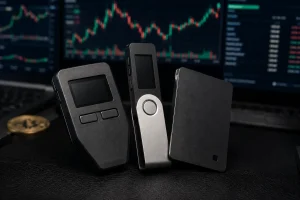
🔐 One Wallet for Everything Is How Most Traders Get Hurt. Here Is How Many You Actually Need
-

💰 Don’t Sell Your Bitcoin – Borrow Against It: The Best Platforms in 2026
-

MetaMask Who? The Web3 Wallets Traders Are Actually Using in 2026
-
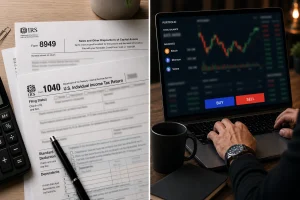
💼 When Crypto Trading Becomes a Business: The IRS Rules Every Active Trader Needs to Know
-

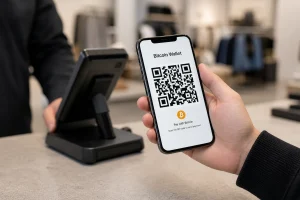
₿ Why Local Businesses Are Taking Bitcoin Seriously in 2026
-

⚡ The Best of Both Worlds: How Hybrid Crypto Exchanges Are Changing the Way We Trade
Leverage is where traders go to feel like gods, and where a lot of them go to die.
Every cycle, the same story plays out: clean thesis, decent entry, then one ugly wick and the account is dust. Not because the trade idea was terrible, but because the trader didn’t actually understand futures, perps, margin, or how liquidations really work in crypto.
This guide breaks down the basics you can’t skip –
Join our community of 400K+ and never miss breaking news!
We respect and protect your privacy. By subscribing your info will be subject to our privacy policy . Unsubscribe easily at any time
If you’re touching leverage in 2025 – even 2× – you read this first, or the market will teach you the expensive way.
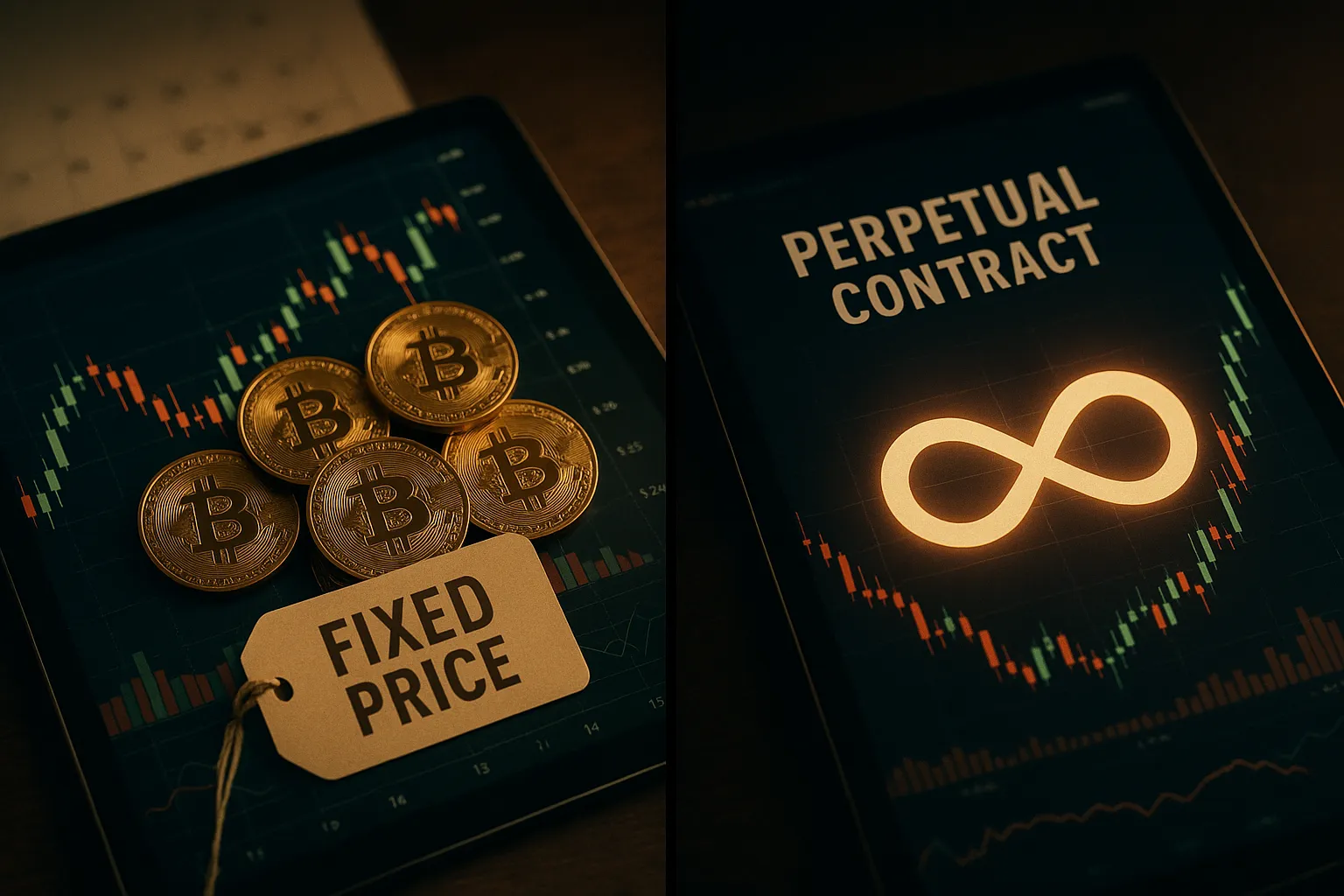
What Are Futures vs. Perpetual Contracts?

Let’s keep it simple: both are ways to bet on price without owning the coin.
Futures contracts
Futures are agreements to buy or sell an asset at a set price on a future date.
They’re huge in commodities and now in crypto – basically a time-limited bet on where price goes. Once they expire, the position settles or rolls.
Perpetual contracts (perps)
Perps dominate crypto derivatives; they have no expiry date.
They’re designed to trade close to spot price using a funding rate (we’ll hit that next). You can hold them indefinitely, as long as you don’t get liquidated.
Here’s how this differs from just buying spot
Leverage: The Double-Edged Sword
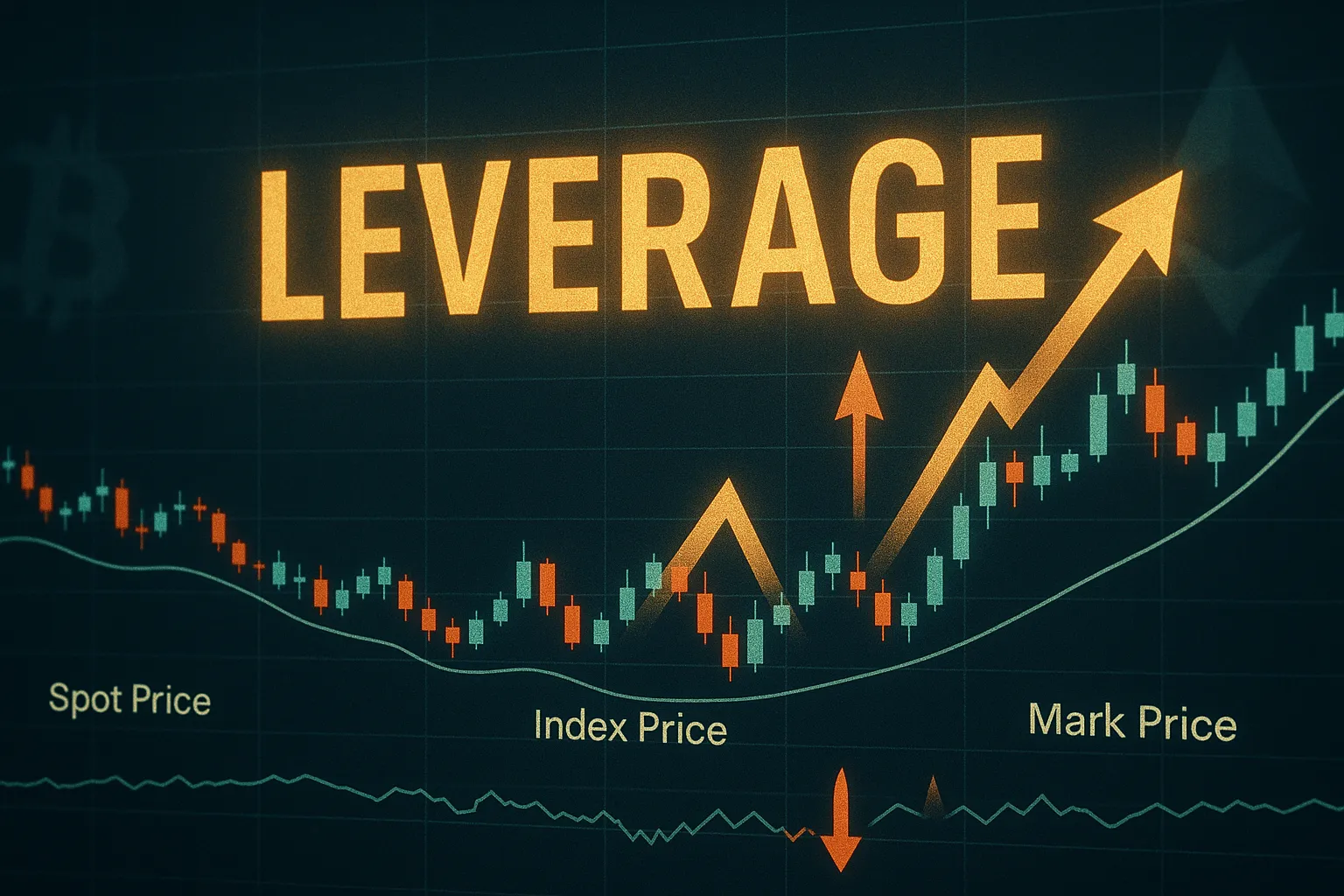
Leverage lets you control a larger position with less capital.
A 5x leverage means a 1% move = 5% PnL (or loss).
A 50x leverage however, is nuclear. A 2% wrong move, and you’re 100% gone.
Leverage magnifies both outcomes. Most traders think in terms of “how much they can make.” Only very few think in terms of liquidation.
That’s where mark price and index price come in.
If your leveraged position falls below maintenance margin relative to mark price, you’re liquidated, and often with brutal slippage on the way out.
If you haven’t nailed your sizing yet, fix that before you touch high leverage.
Funding Rate: The Invisible Drain
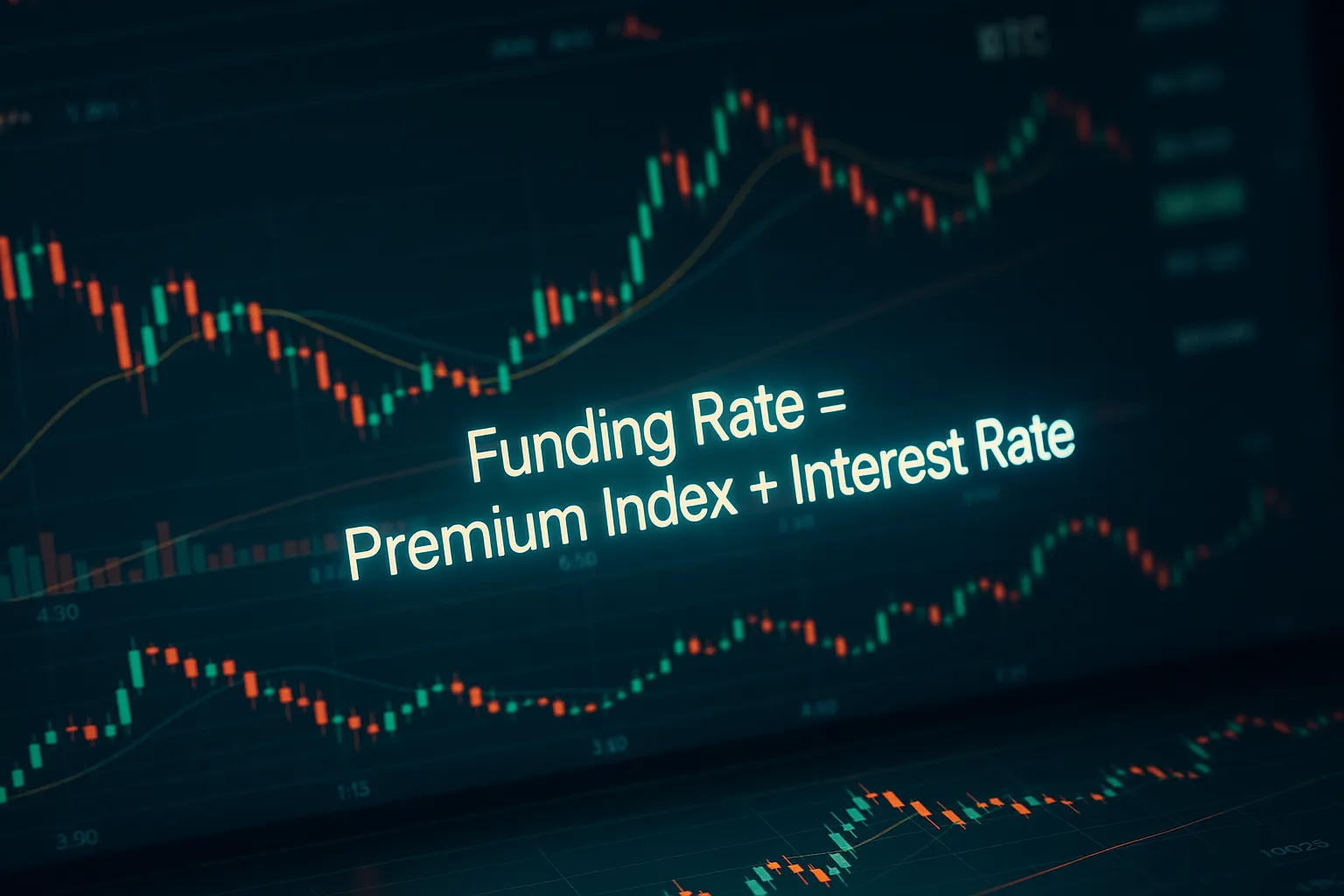
Because perps don’t expire, exchanges use funding rates to keep perp prices close to spot. That’s where things quietly get expensive.
Simple version:
This payment happens every few hours. It looks tiny on paper, but if you’re holding a big leveraged position for days, those little fees can quietly chew through your profit, even if your trade direction is correct.
How pros use it:
Ignore funding, and a trade that was right on direction can still turn into a losing hold just from fees bleeding you out.
Join our community of 400K+ and never miss breaking news!
We respect and protect your privacy. By subscribing your info will be subject to our privacy policy . Unsubscribe easily at any time
Liquidation: Where Degens Die

Liquidation is where most leveraged traders die, not because they were totally wrong, but because they had no buffer.
Here’s how it plays out:
You weren’t “wrong” on direction, your leverage was too high and your margin too thin.
Exchanges calculate liquidation based on your maintenance margin. Once your equity drops below that, you’re out. Some platforms auto-deleverage your position; others liquidate entirely.
This is where understanding position sizing is critical. (Read our crypto position sizing guide if you haven’t.)
Surviving the Game: Risk Management Rules

If you’re holding losers hoping they rebound, you’re not trading, you’re praying. And that’s a recipe for becoming a bag holder.
Better to position smart, trade with a plan, and focus on sustainability. Futures are tools, not tickets to instant riches.
Want to trade with confidence and stay solvent? Start with a bulletproof crypto portfolio before you throw down on leverage.
Final Word
Perps and futures aren’t evil. They’re just misunderstood and misused. Leverage can amplify greatness or accelerate failure.
Respect the tools. Know the rules. And trade like you plan to be here next year.
👉 Join 20,000+ traders in our Telegram for real-time setups, market insights, and no-BS lessons. Subscribe to our weekly newsletter for more trader-first breakdowns.
Let’s get to work.