

Pfizer’s 176-Year Lesson: Treat the Sick, Don’t Cure Them
Get Breaking News First!
Editor’s choice
-

🔐 One Wallet for Everything Is How Most Traders Get Hurt. Here Is How Many You Actually Need
-

💰 Don’t Sell Your Bitcoin – Borrow Against It: The Best Platforms in 2026
-
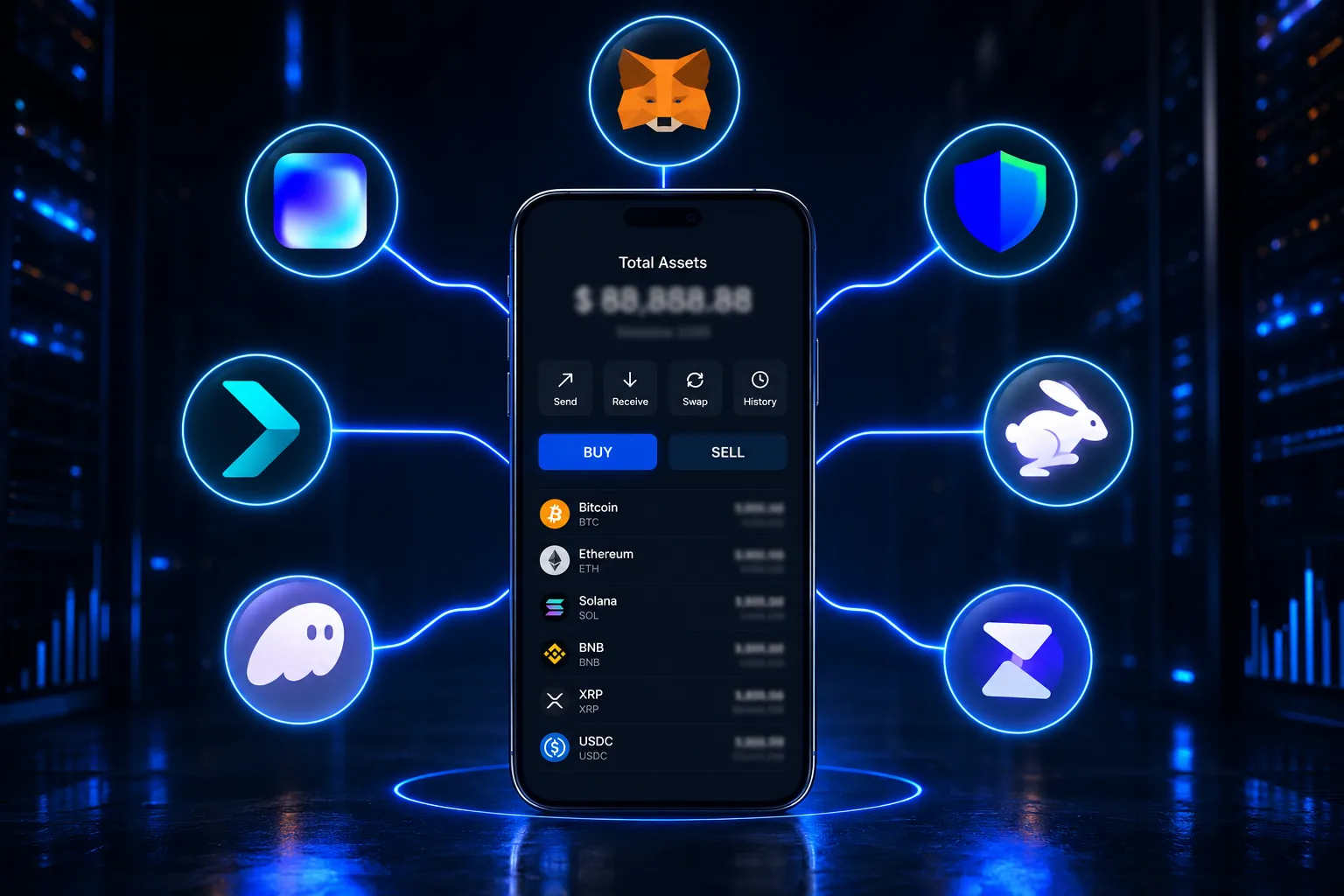
MetaMask Who? The Web3 Wallets Traders Are Actually Using in 2026
-

💼 When Crypto Trading Becomes a Business: The IRS Rules Every Active Trader Needs to Know
-

₿ Why Local Businesses Are Taking Bitcoin Seriously in 2026
-

⚡ The Best of Both Worlds: How Hybrid Crypto Exchanges Are Changing the Way We Trade
Pfizer has outlasted centuries, wars, and countless competitors. Yet, in all that time, they haven’t cured a single disease. Cancer, diabetes, colds, nothing. What they have perfected is keeping people in treatment, not creating cures.
It’s not about villains in lab coats. It’s economics. One cure ends a customer. A treatment? That’s a subscription. Big Pharma profits from continuity, not completion.
The Real Dealers

Big Pharma isn’t built on miracles, it’s built on monthly billing. Cures are a one-time headline. Treatments are a revenue stream. Pfizer figured that out a long time ago and never looked back.
Join our community of 400K+ and never miss breaking news!
We respect and protect your privacy. By subscribing your info will be subject to our privacy policy . Unsubscribe easily at any time
Most of the big money comes from chronic conditions like diabetes, blood pressure, cholesterol, autoimmune stuff. Those don’t end, they renew. Every refill, every booster, every “come back in 6 months” keeps the line moving. They discovered early that recurring symptoms are more profitable than one-off miracles.
The playbook is simple:
From a chart’s point of view, it’s not healthcare. It’s a subscription model with lab coats.
Traders see something similar every day. Many fall into the trap like: chasing signals, tweaking entries, and adjusting exits, all while never fixing the underlying issue in their strategy.
Why This Matters for Traders

Big Pharma proves there’s real money in recurring need. Traders fall into the same psychology. They stick to habits, patterns, and signals that keep them busy, not profitable.
Even experienced traders still repeat the same crypto trading mistakes you’d expect from beginners; overtrading, revenge entries, ignoring risk. Awareness of those blind spots is the first step to breaking the cycle, whether it’s health, habits, or holding losers way past their expiry date.
Check Your Exposure

The risk is simple. If you only treat symptoms and never fix the root, you create dependency. For Pfizer, that’s patients. For traders, it’s staring at charts all day and chasing every signal like it’s “the one.”
Markets can shrug off noise. Your account can’t. If you don’t sort out the core of your approach – strategy, risk, psychology – small losses don’t disappear, they stack. Slowly. Quietly. Then one day it’s not “a bad week,” it’s a problem.
Signals to Track Next

Watch companies quietly shifting from prevention to long-term management. That’s the business model of sustained demand: keep the problem alive, keep the revenue alive.
For traders, the same principle applies. Watch the recurring patterns in your own trades. Are you actually improving, or just reacting to every candle? Are your positions helping your portfolio recover, or keeping it stuck in the same cycle of avoidable losses? If you want a clearer edge, check out this top smart trading tools guide – it’s the kind of toolkit that exposes habits you don’t notice until they cost you
Final Take
Pfizer’s 176-year run proves a simple truth: fixing the problem isn’t always profitable, managing the symptoms is. Comfort is a currency, whether you’re talking medicine or markets.
Traders who stop chasing signals and start fixing their process are the ones who finally break the cycle.
Check out DayTrading.co for insights on how market psychology shapes trading patterns, opportunities, and habits.
Join our community of 400K+ and never miss breaking news!
We respect and protect your privacy. By subscribing your info will be subject to our privacy policy . Unsubscribe easily at any time
Subscribe for free breakdowns that don’t just manage your confusion – they help you actually improve.