

NFTs Explained for Beginners: Why Digital Ownership Actually Matters
Get Breaking News First!
Editor’s choice
-
🔐 One Wallet for Everything Is How Most Traders Get Hurt. Here Is How Many You Actually Need
-
💰 Don’t Sell Your Bitcoin – Borrow Against It: The Best Platforms in 2026
-
MetaMask Who? The Web3 Wallets Traders Are Actually Using in 2026
-

💼 When Crypto Trading Becomes a Business: The IRS Rules Every Active Trader Needs to Know
-
₿ Why Local Businesses Are Taking Bitcoin Seriously in 2026
-
⚡ The Best of Both Worlds: How Hybrid Crypto Exchanges Are Changing the Way We Trade
NFTs get mocked as overpriced JPEGs, and honestly, that reaction makes sense if no one’s explained what they actually do.
At their core, NFTs are about digital ownership: proving who owns something online, without trusting a platform, company, or middleman. That one shift changes how art, games, identity, and even access work on the internet.
This guide breaks NFTs down plainly: what they are, how they work, and why they matter beyond the hype.
Join our community of 400K+ and never miss breaking news!
We respect and protect your privacy. By subscribing your info will be subject to our privacy policy . Unsubscribe easily at any time
🧾So What Exactly Is an NFT?
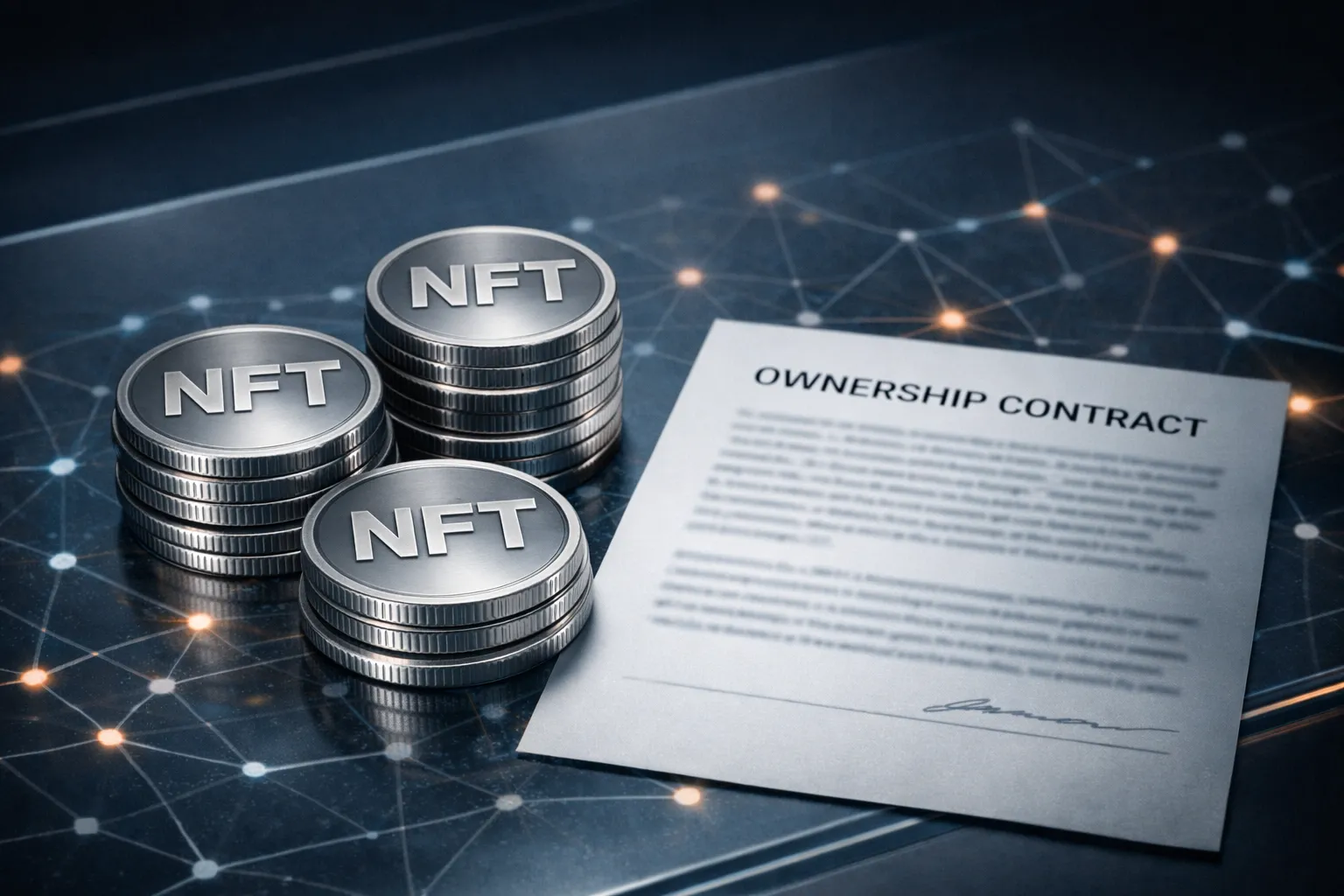
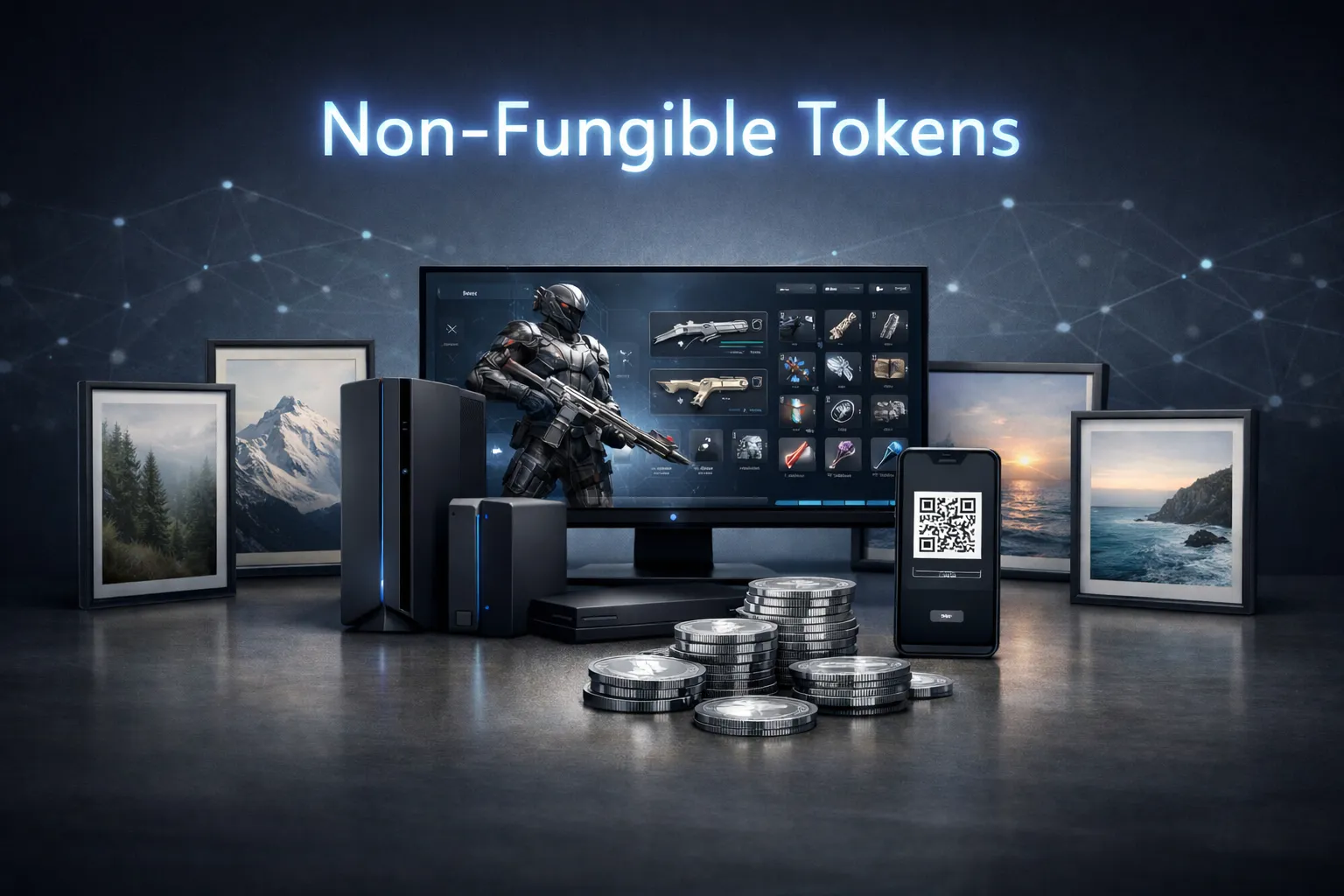
An NFT, or non-fungible token, is a digital certificate of ownership recorded on a blockchain. Think of it as a verified receipt that proves you own a specific digital item, whether that’s artwork, an in-game asset, a membership pass, or even a claim on something real-world.
What matters is not the image itself but the ownership layer underneath. NFT ownership is traceable, transferable, and programmable. This programmable aspect is what lets creators earn royalties automatically or lets games issue items that carry real-world value.
🎨NFTs in Art: The First Big Wave
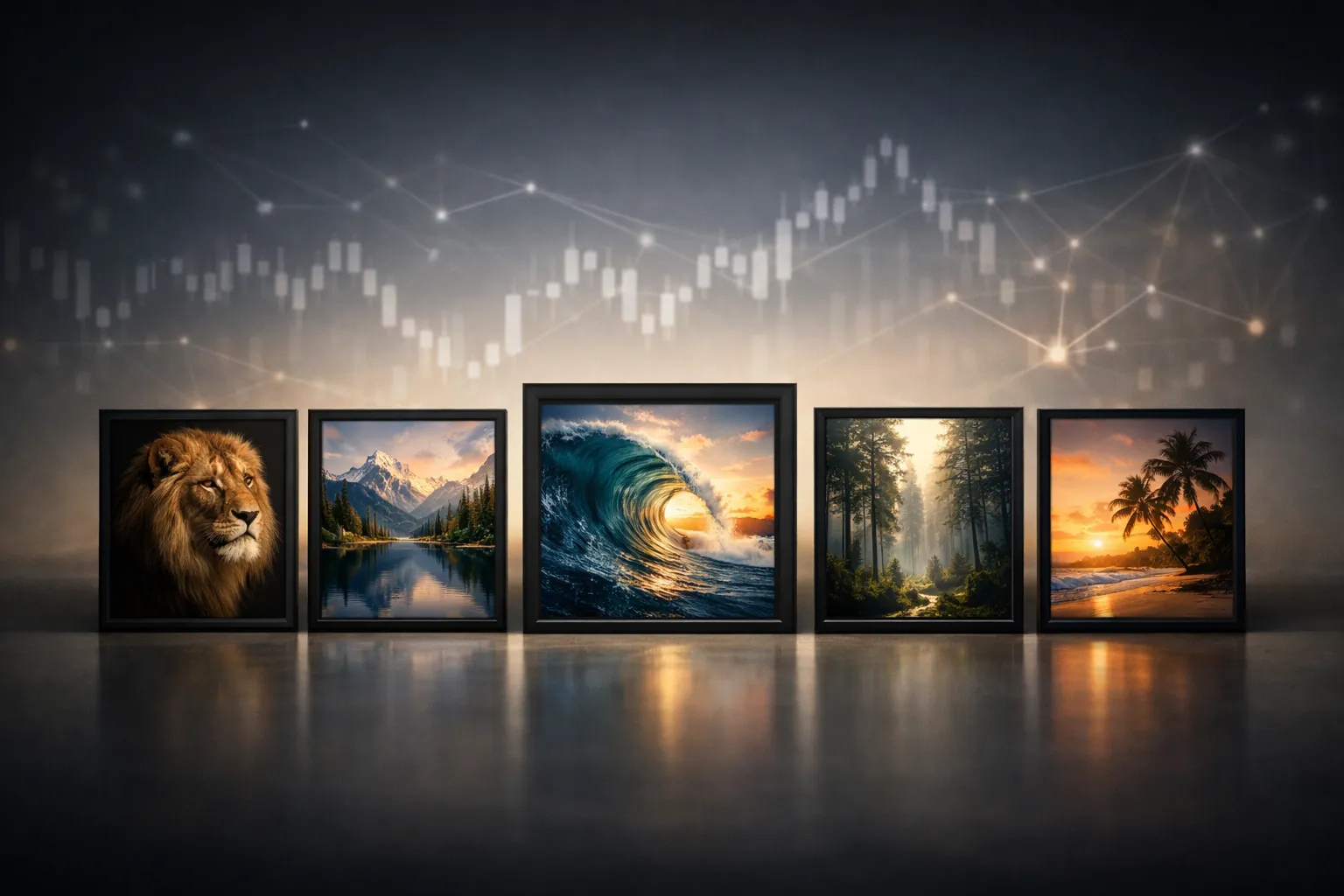
Art was the first real breakout use case for NFTs. Between 2021 and 2023, creators realized they didn’t need galleries or publishers anymore. They could mint their work as NFTs and sell directly to collectors. The initial boom crashed, but the infrastructure didn’t disappear.
What’s left in 2025 is a calmer system where NFTs are mainly used for proof of ownership and royalties. Artists use them to protect their work. Collectors use them to verify authenticity, – something the traditional art world has always struggled with.
NFT art still moves with attention. When a creator goes viral, demand spikes. When interest fades, prices cool. That’s not unique to NFTs, it’s how digital markets work.
🎮 NFTs in Gaming: Where Ownership Actually Makes Sense
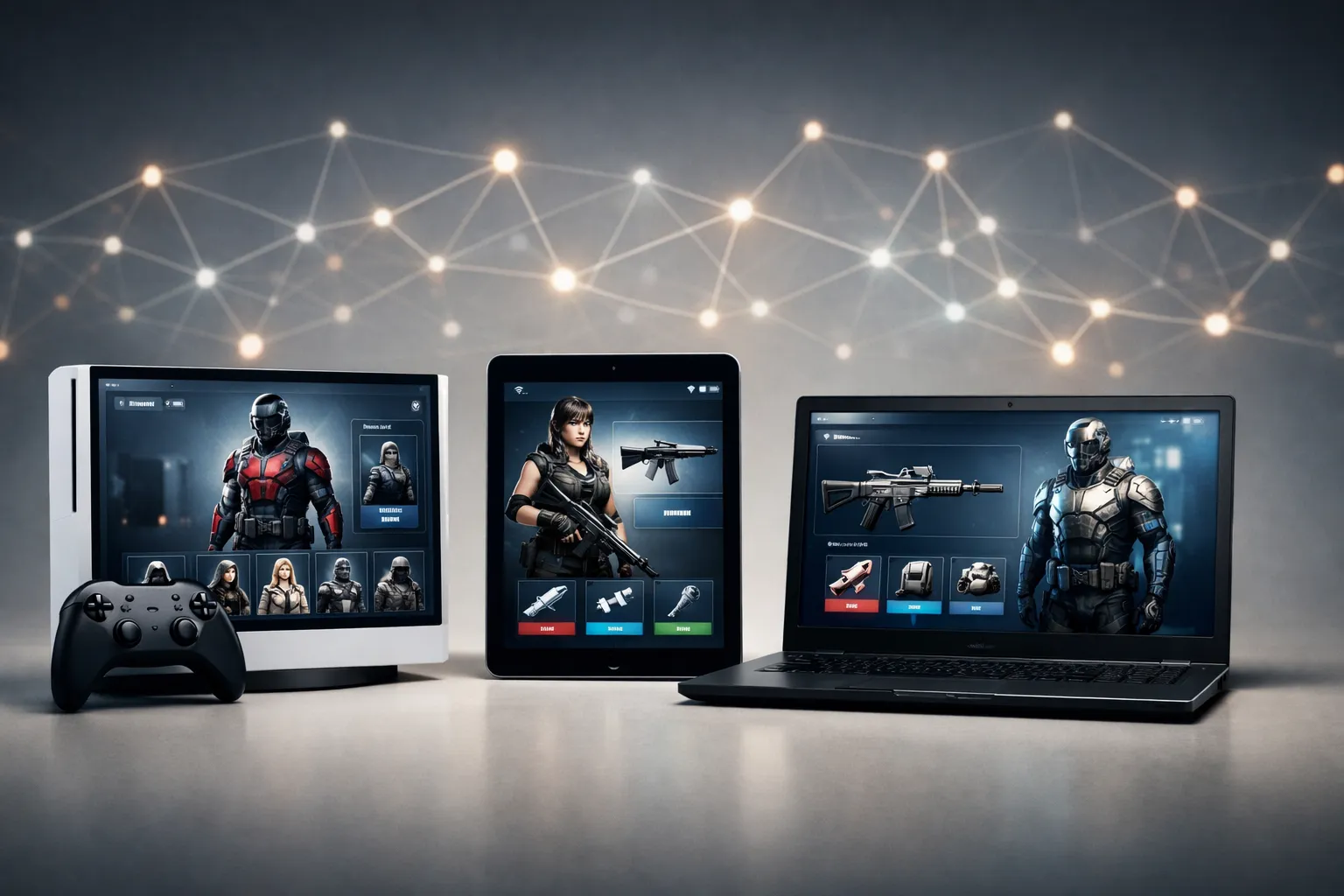
Gaming is where NFTs start to feel practical instead of theoretical.
Players already spend billions on skins, weapons, and upgrades they don’t truly own. NFTs flip that model. Instead of renting digital items from a game publisher, players can actually own them, and resell or trade them if they want.
This isn’t just an experiment anymore. New games are launching with NFT-based items baked in, and the early “play-to-earn” hype has cooled into something more sustainable. Less grinding for tokens, more focus on ownership and gameplay.
Owning a digital item today feels a lot like owning a trading card or collectible, except it’s global, tradable anytime, and lives on the internet by default.
🪪 The Next NFT Wave
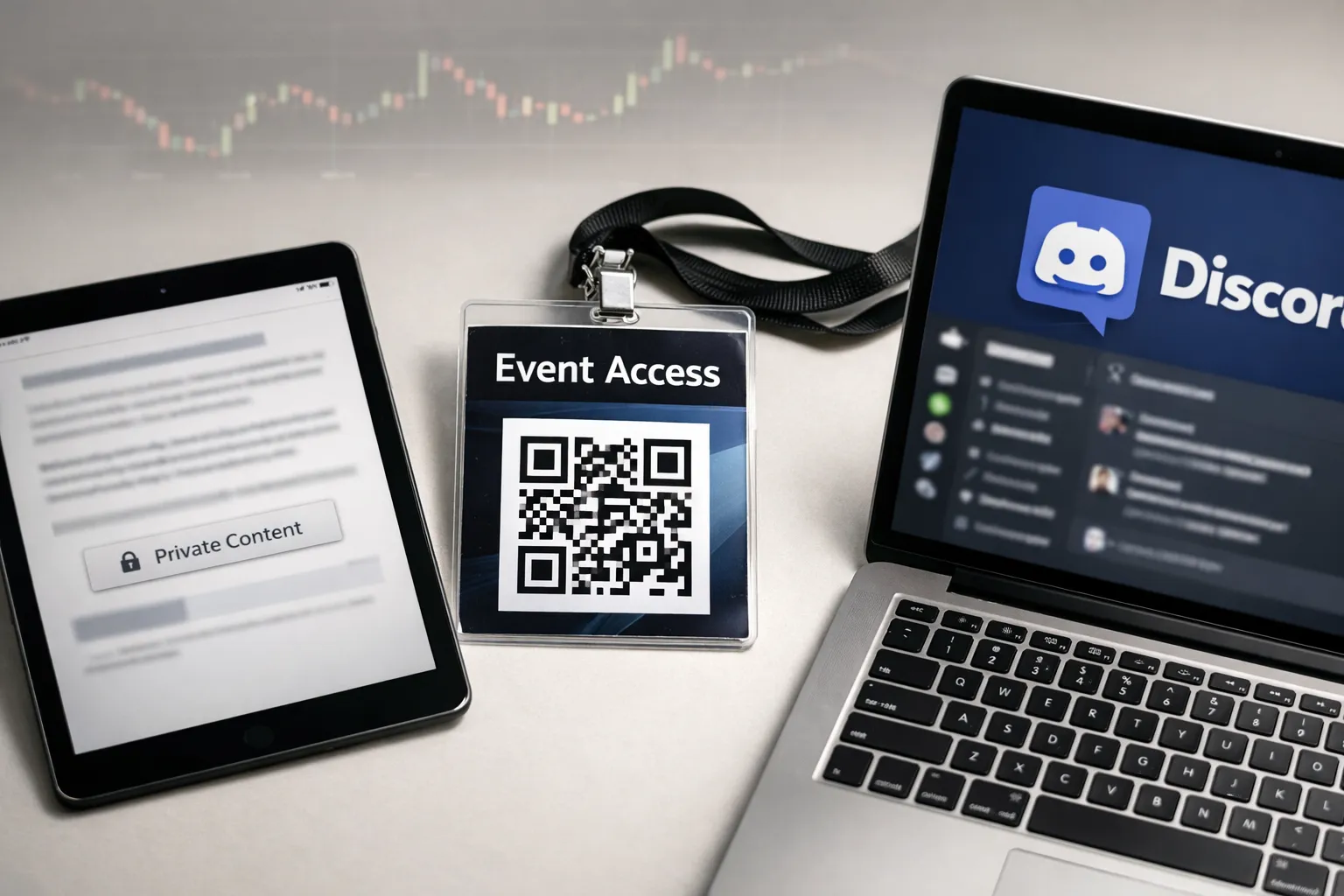
NFTs aren’t just about art or gaming anymore. They’re increasingly being used as digital keys.
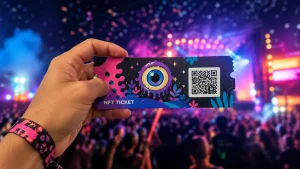
Brands, creators, and online communities now use NFTs to unlock things like private content, members-only Discords, early product access, event tickets, or special perks. Instead of logging in with an email or trusting a platform, ownership of the NFT is your proof.
This fixes a long-standing internet problem: how to prove access or membership without relying on a single company. Creators get a direct way to monetize their audience, and users can carry their identity across platforms instead of starting from scratch every time.
As DeFi matures, NFTs become more functional assets, not just collectibles. Our piece on the Evolution of DeFi in 2025 shows how NFTs slot into lending markets, collateral systems, and tokenized real-world assets.
Join our community of 400K+ and never miss breaking news!
We respect and protect your privacy. By subscribing your info will be subject to our privacy policy . Unsubscribe easily at any time
📊 Why the NFT Market Looks Different in 2026
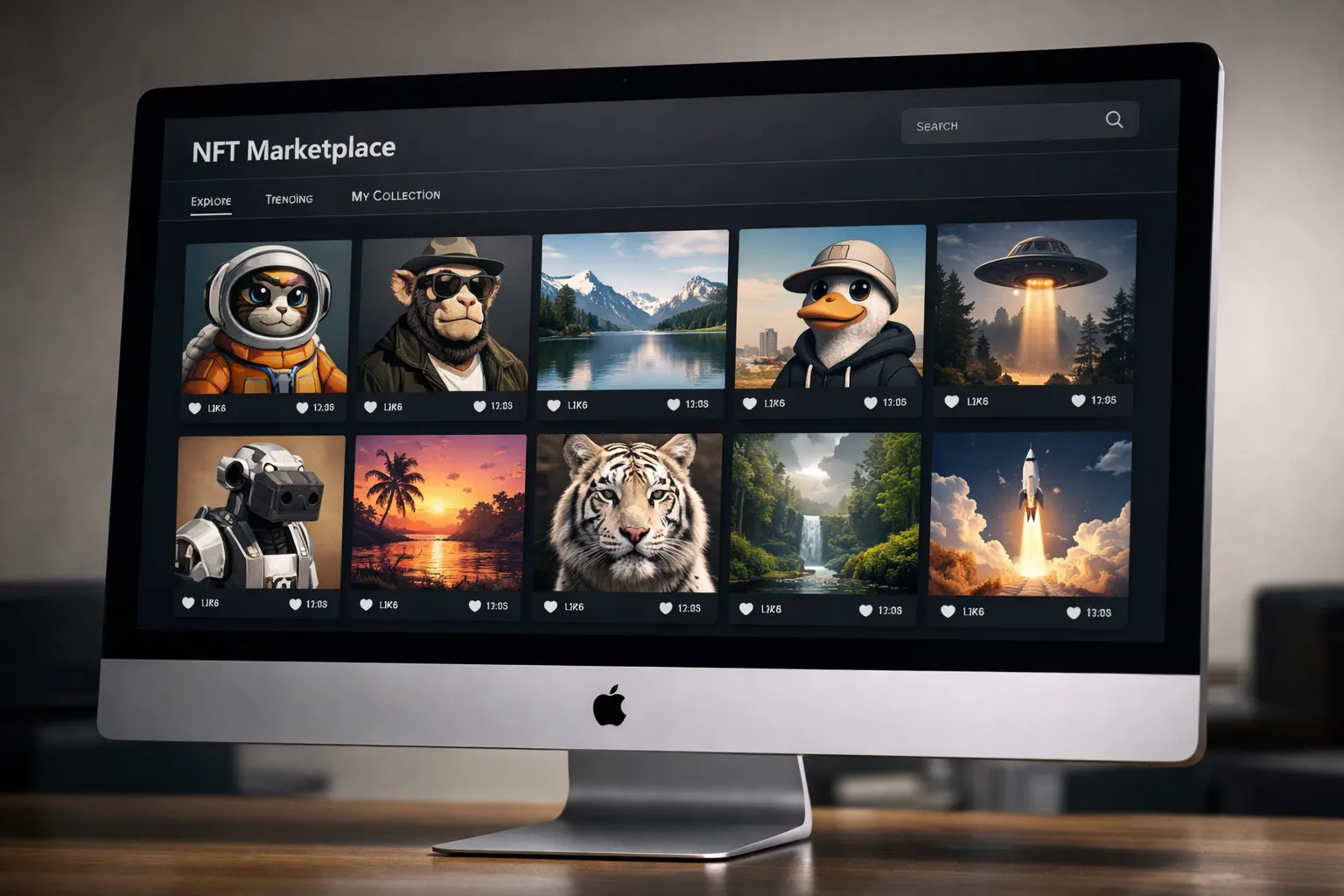
The mania is gone. What’s left is a cleaner, more utility-driven ecosystem.
Here’s what changed:
The market is smaller than the 2021 peak but far healthier. Real builders stayed. Speculators moved on to the next shiny thing. That’s how real infrastructure gets built.
📉 Final Thoughts
NFTs aren’t disappearing. The hype will come and go, but digital ownership with real utility is now part of how the internet works. Once you understand that layer, NFTs stop looking like collectibles and start looking like infrastructure.
If you want to stay ahead of where this is heading, track how creators, games, and platforms actually use NFTs, not how they market them.
For real-time crypto news, NFT trends, and market alerts as they break, join our Telegram and stay plugged in before the crowd catches on.
For deeper weekly context and breakdowns that help you connect the dots, subscribe to our newsletter.