

Lost Your Crypto? Here’s How Recovery Experts Try to Get It Back

Get Breaking News First!
Editor’s choice
-
Lost Your Crypto? Here’s How Recovery Experts Try to Get It Back
-
These Crypto Newsletters Are Worth Your Time in 2026
-
Can Crypto Work Without the Internet? Here’s What Actually Happens
-

How DEXs Work: Inside Decentralized Crypto Trading
-

Rolex Makes $11 Billion a Year — And No One Owns It
-

Supermicro Co-Founder Arrested Over $2.5B Smuggling Case
Losing crypto hits differently.
There’s no customer support line. No password reset. No bank to call. One wrong transfer, a hacked wallet, or a forgotten seed phrase… and your funds can disappear in seconds.
But here’s where things get interesting.
Join our community of 400K+ and never miss breaking news!
We respect and protect your privacy. By subscribing your info will be subject to our privacy policy . Unsubscribe easily at any time
A growing group of specialists, crypto recovery experts, are trying to track, trace, and sometimes recover lost funds using blockchain data, forensic tools, and a bit of luck. Here’s how they navigate digital asset retrieval, and what to expect if you’re ever in that situation.
💡 What Is Crypto Recovery?
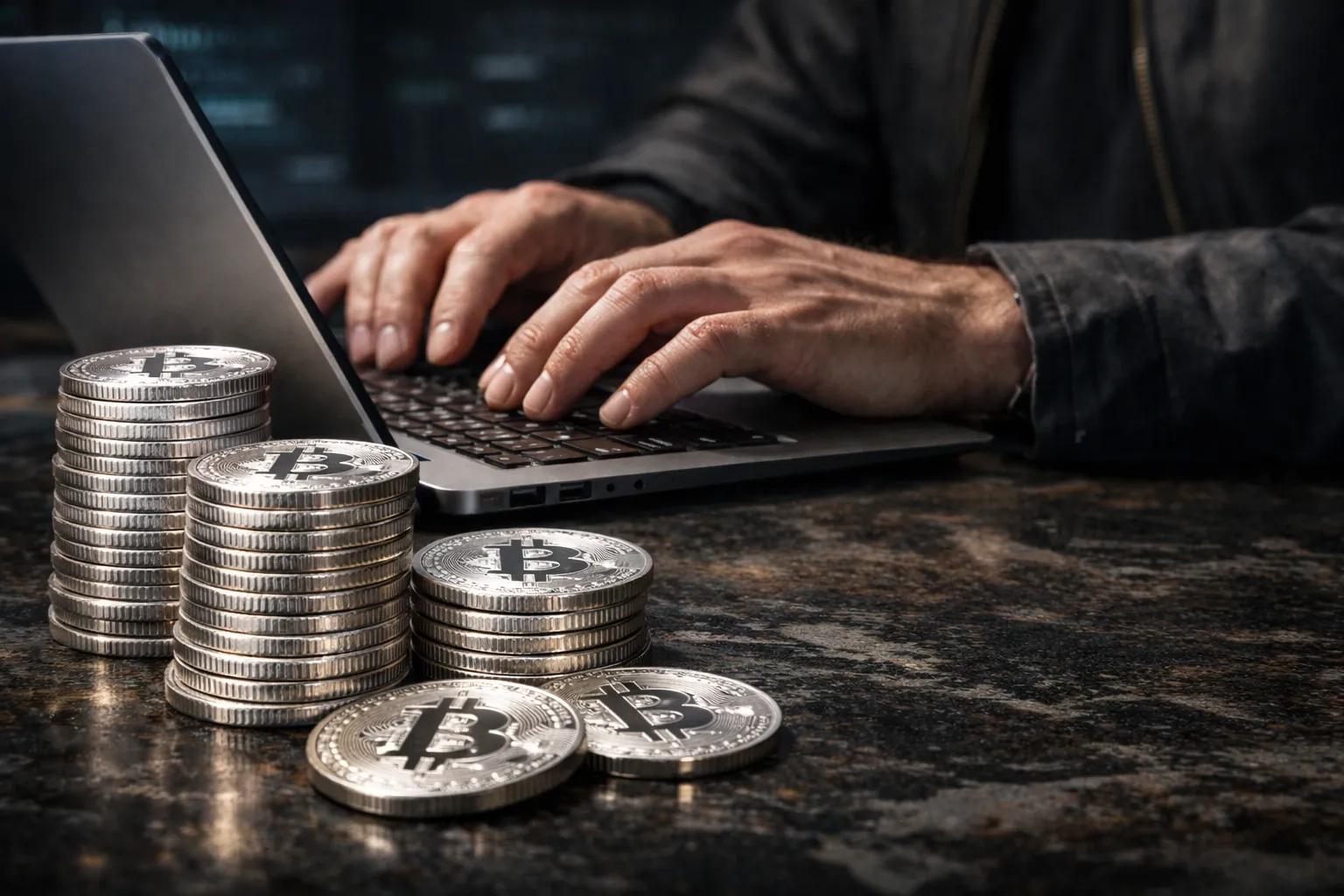
Crypto recovery is the process of trying to regain access to lost or stolen digital assets.
That could mean recovering a locked wallet, tracing stolen funds on-chain, or working with exchanges to freeze and retrieve assets.
Each case is different, and the approach depends on how the crypto was lost in the first place.
🔖 The Recovery Process: Step-by-Step
🪜 Initial Assessment
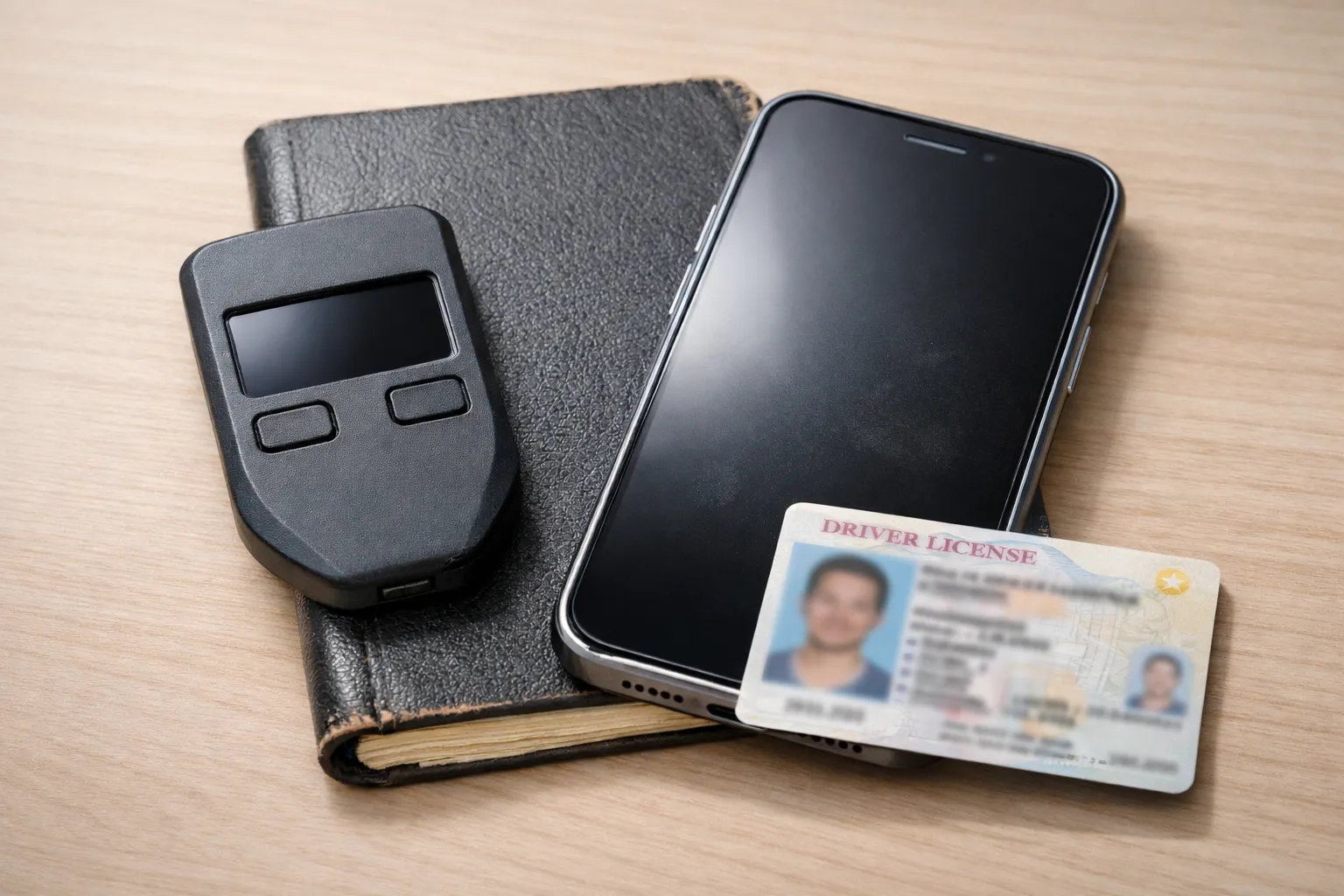
It usually starts with a consultation, where you share transaction IDs, wallet addresses, and what actually happened.
They’ll spend 24-48 hours determining if recovery’s even possible.
The first 72 hours post-theft are critical. After that, scammers have likely shuffled your crypto through mixers, making recovery exponentially harder.
This initial assessment separates genuine hope from wishful thinking.
🤝 Agreement and Onboarding
Once the feasibility check comes back promising, you’re staring down the paperwork phase—and this is where legitimate recovery firms separate themselves from the sketchy operators who’ll ghost you after cashing your check.
You’ll get a breakdown of timelines, required documents, and how communication will be handled.
Join our community of 400K+ and never miss breaking news!
We respect and protect your privacy. By subscribing your info will be subject to our privacy policy . Unsubscribe easily at any time
No hidden charges. No vague terms. Everything should be upfront before anything starts.
📄 Documentation
Once everything’s signed, you’ll need to prove ownership.
That means providing ID, wallet addresses, transaction history, and any evidence showing the funds were yours.
You’ll also set up a new secure wallet for any recovered assets — no one’s sending funds back to a compromised address.
🚨 Fees and Core Techniques
💎 Fee Structures
Real recovery firms work on pure contingency—typically 15-40% of what they actually retrieve. No recovery? You don’t pay a dime.
Anyone demanding upfront fees is running a recovery scam.
⚙️ Key Techniques Used
Now let’s peek under the hood at how these detectives actually work their magic:
Note: Never share full seed phrases upfront, legitimate experts don’t need them immediately
⚠️ How Crypto Recovery Scams Target Victims
After a loss, it’s not just your funds at risk, it’s your attention.
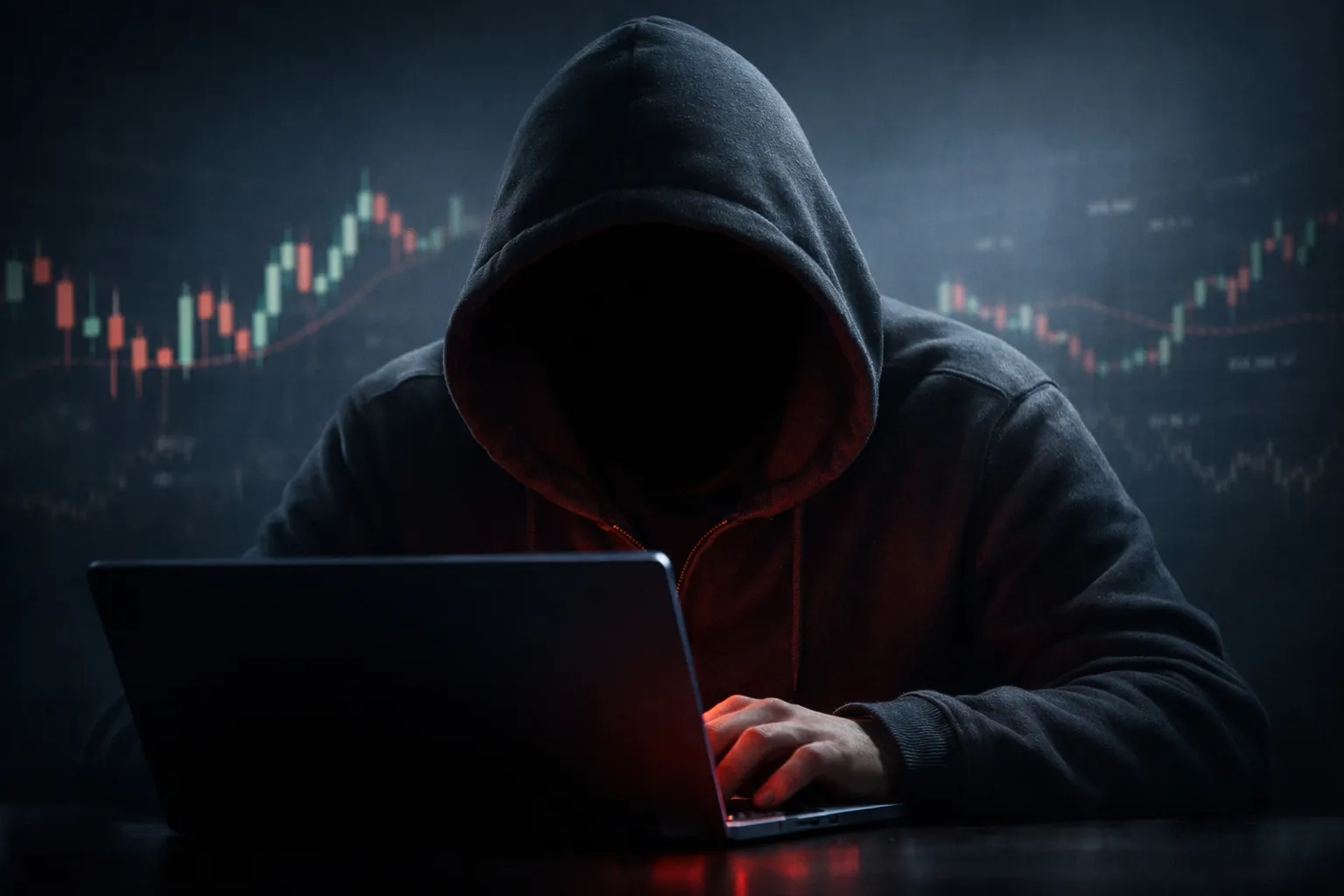
Scammers actively hunt for victims on X, Telegram, and forums, offering “easy” recovery with promises that sound just good enough to believe. They use fake testimonials, edited screenshots, and inflated success rates to build trust fast.
The red flags are always the same: upfront fees, requests for your seed phrase, and guarantees that sound too clean.
If someone’s sliding into your DMs after you’ve posted about losses, they’re fishing, and you’re the catch.
Here are the six other common crypto scam tactics these scammers use.
📌 Final Thoughts
Crypto recovery isn’t magic, it’s process, timing, and knowing where to look.
The real edge? Not needing it in the first place.
Because once funds move, even the best can’t always bring them back.
Stay ahead before mistakes get expensive.
📩 Get straight-to-the-point breakdowns on crypto risks, security, and market moves straight to your inbox
Or plug into real-time setups with 62k+ traders who don’t guess on Telegram.