

⚡ The Best of Both Worlds: How Hybrid Crypto Exchanges Are Changing the Way We Trade
Get Breaking News First!
Editor’s choice
-
🔐 One Wallet for Everything Is How Most Traders Get Hurt. Here Is How Many You Actually Need
-

💰 Don’t Sell Your Bitcoin – Borrow Against It: The Best Platforms in 2026
-

MetaMask Who? The Web3 Wallets Traders Are Actually Using in 2026
-

💼 When Crypto Trading Becomes a Business: The IRS Rules Every Active Trader Needs to Know
-
₿ Why Local Businesses Are Taking Bitcoin Seriously in 2026
-
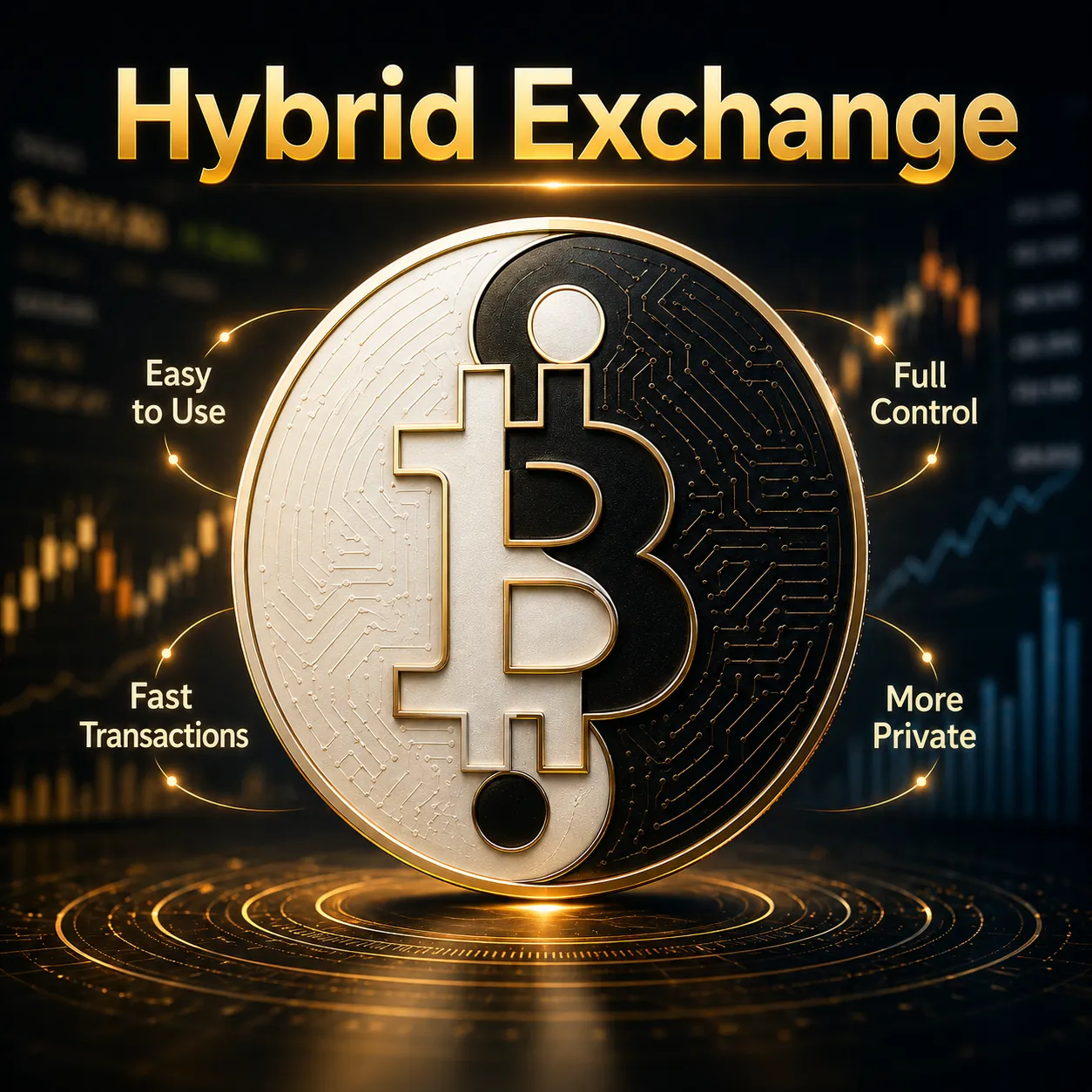
⚡ The Best of Both Worlds: How Hybrid Crypto Exchanges Are Changing the Way We Trade
Trading crypto has always forced an uncomfortable choice. Use a centralized exchange and get speed and liquidity – but hand over your keys and trust the platform with your funds. Use a DEX and keep full control – but accept slower execution, thinner liquidity, and an interface that punishes impatience.
Hybrid exchanges exist because that trade-off was never actually necessary. Here is how they work and whether they belong in your trading setup.
📌 What Are Hybrid Crypto Exchanges?

Hybrid exchanges aim to combine the strengths of both CEXs and DEXs.
Join our community of 400K+ and never miss breaking news!
We respect and protect your privacy. By subscribing your info will be subject to our privacy policy . Unsubscribe easily at any time
They offer the speed and familiar interface of centralized exchanges, while still letting you keep control of your private keys.
The mechanics are straightforward. Order matching happens off-chain on centralized servers – fast, efficient, measured in milliseconds. Settlement happens on-chain through smart contracts. That means faster execution without fully giving up self-custody.
💡 Advantages for Traders
⚡ Speed and Liquidity
Speed is where hybrid exchanges stand out. Orders are matched off-chain in milliseconds, avoiding the delays that come with on-chain execution. You get faster fills without waiting on blockchain confirmation.
Liquidity is also deeper. Hybrid platforms combine order book liquidity with access to DeFi pools, which helps tighten spreads and reduce slippage. That matters most on larger trades – instead of moving the market in a shallow pool, execution stays more stable.
You also get access to tools like limit and stop-loss orders – something most AMM-based platforms simply do not offer.
🗝️ Security and Control
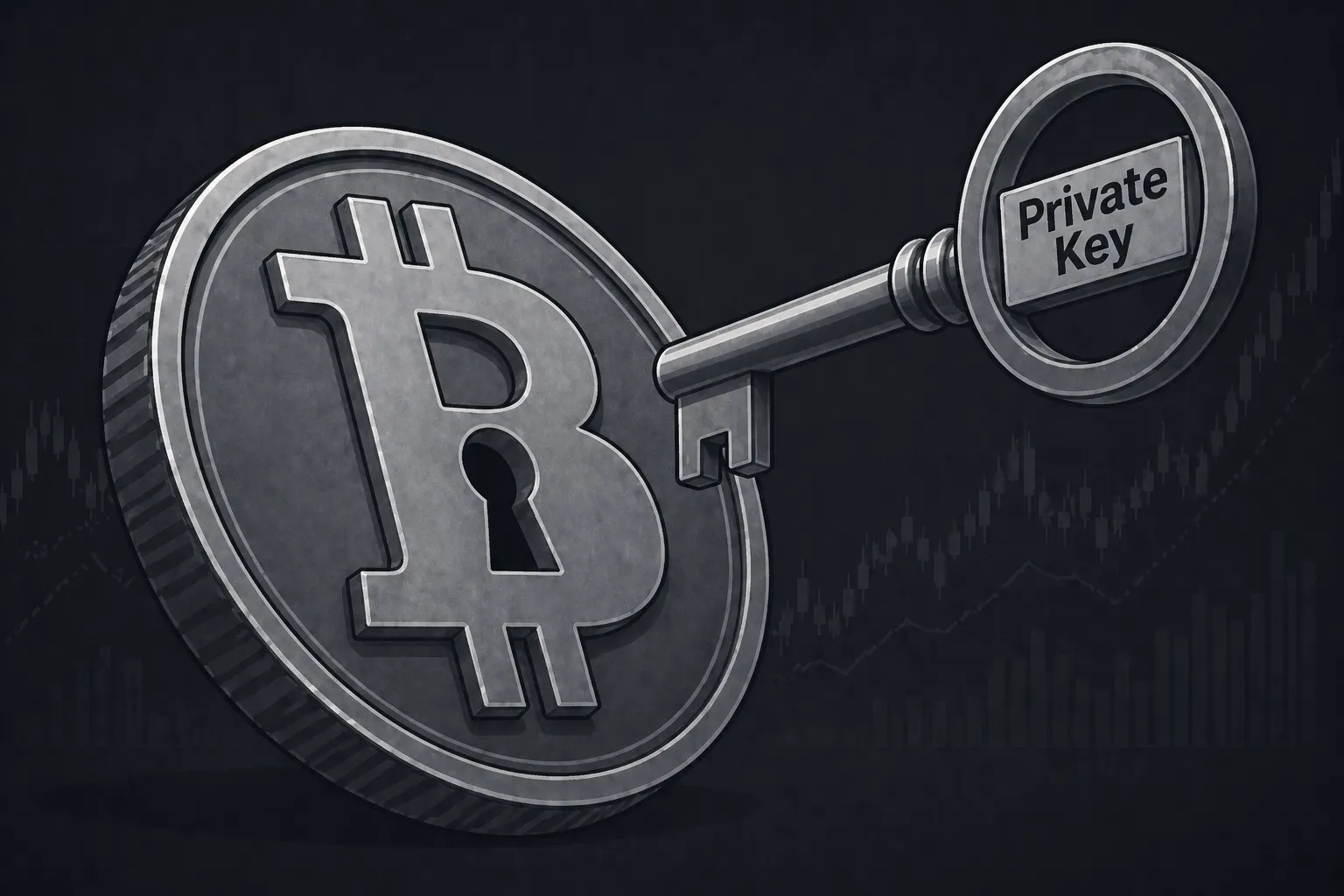
Hybrid exchanges keep control where it belongs: with you. Your private keys stay in your wallet, not on the platform. That means the exchange doesn’t hold your funds, reducing the risk of large-scale breaches.
Trades are handled through smart contracts, which act as neutral settlement layers. Funds move only when the conditions of the trade are met.
And because transactions are recorded on-chain, you can verify what happened at any time.
💎 Low Fees and Privacy
Hybrid exchanges can reduce some of the costs associated with centralized platforms.
Trading fees are often competitive, and in some cases withdrawal fees are lower since you retain control of your wallet.
They also tend to require less personal data. Many interactions can happen without full KYC, allowing users to maintain a level of pseudonymity. For US traders navigating this carefully, here is what that actually means in practice.
Some platforms also integrate MEV protection, reducing the risk of front-running during execution.
Join our community of 400K+ and never miss breaking news!
We respect and protect your privacy. By subscribing your info will be subject to our privacy policy . Unsubscribe easily at any time
⚠️ Drawbacks to Consider
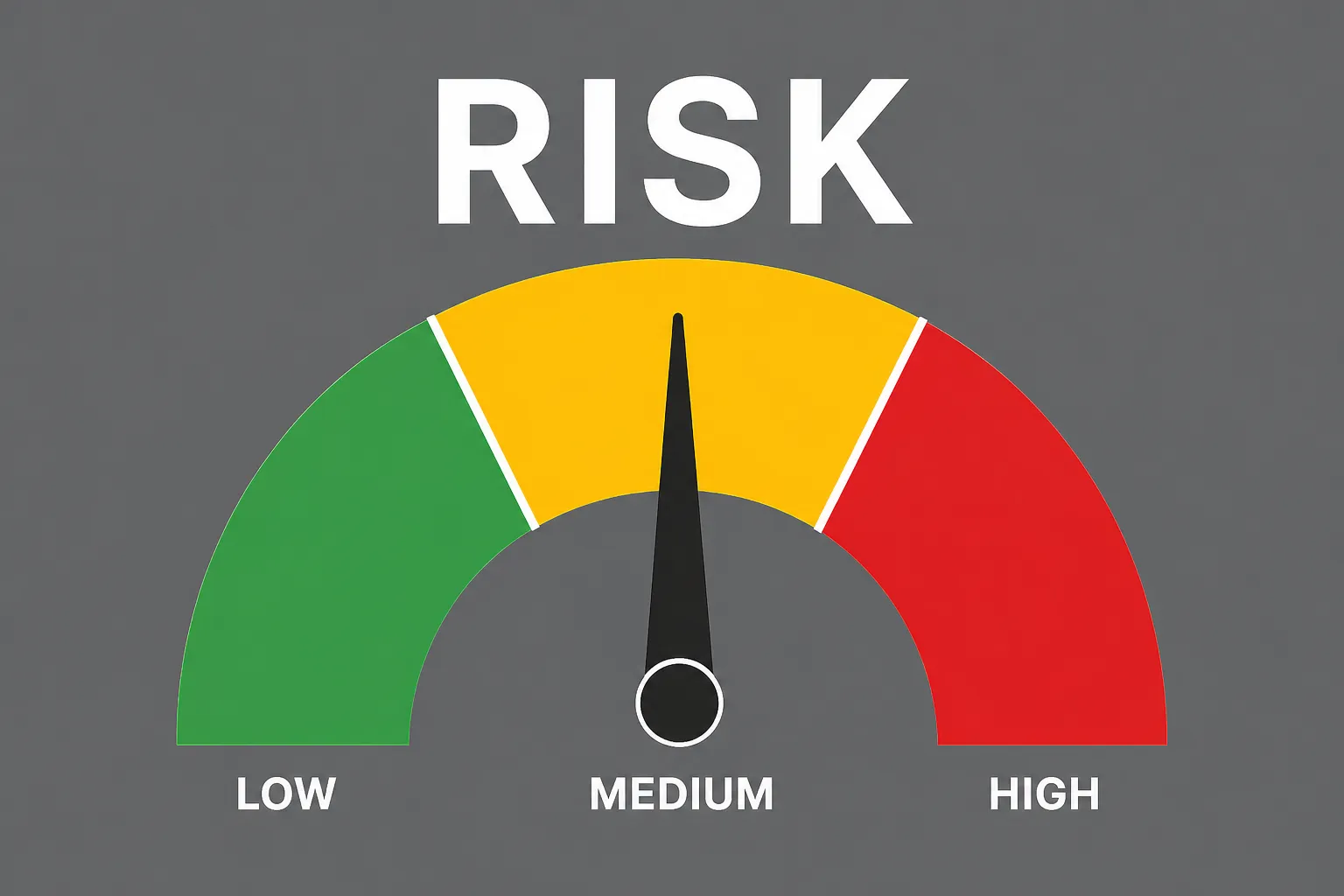
Hybrid exchanges are not risk-free.
Smart contract bugs can be exploited. Wallet mistakes can mean permanent loss. Oracle failures can interrupt trades mid-execution. And regulatory uncertainty hangs over many of these platforms in ways that can change overnight.
The upside is real. So are the risks. Here is what oracle exploits actually look like when they happen.
🔖 Top Hybrid Platforms
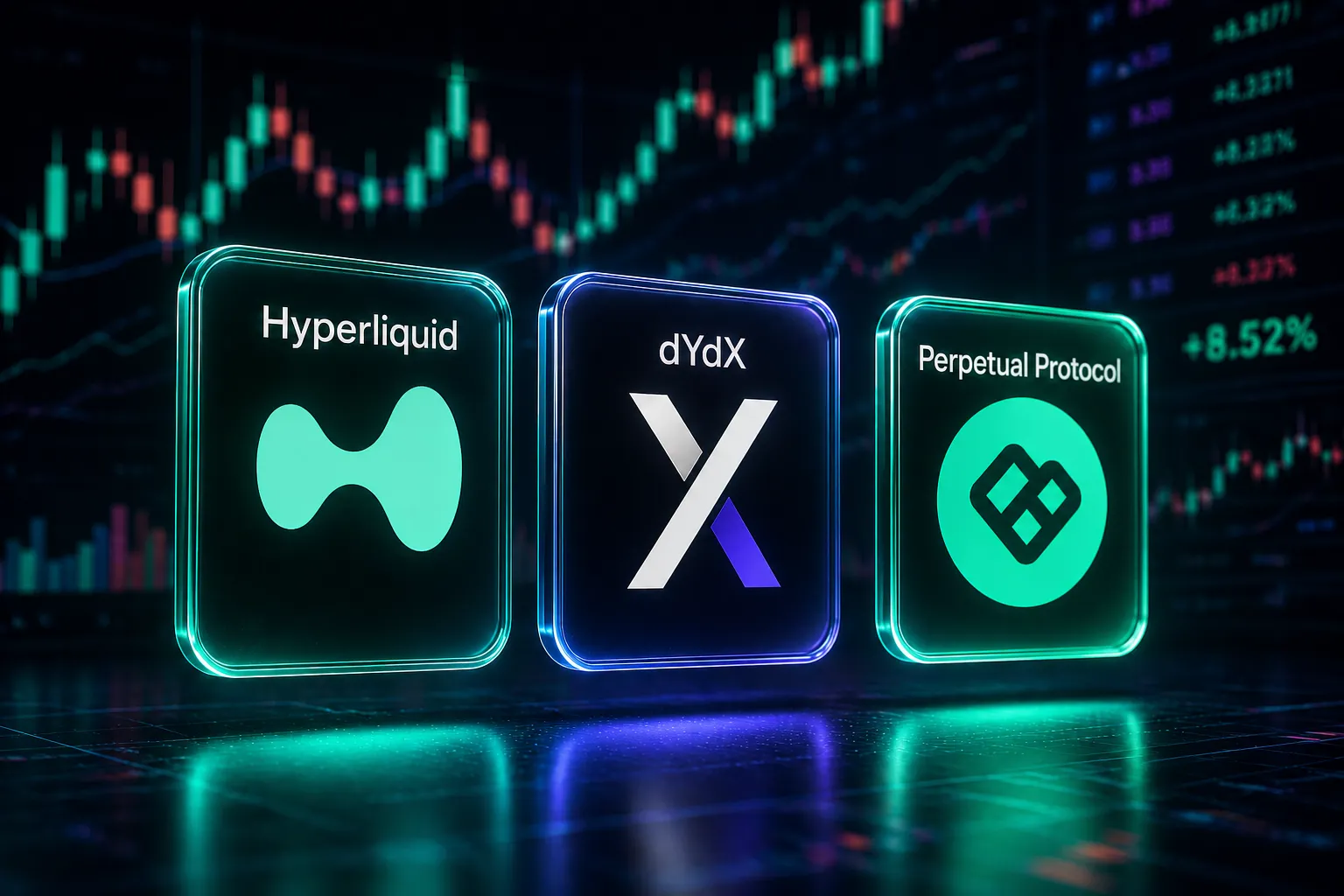
Some platforms are actually making the hybrid model work at scale.
- Hyperliquid leads in liquidity, with deep markets and tight spreads across hundreds of trading pairs.
- dYdX remains a major player, known for strong volume, active traders, and competitive fee structures, including maker rebates.
- Perpetual Protocol focuses on a wider range of assets, offering access to long-tail markets with flexible fee models.
- Each platform takes a slightly different approach, but the trend is clear: hybrid exchanges are moving from experiment to real trading infrastructure.
✅ Final Thoughts
Hybrid exchanges won’t solve every problem in your setup. What they offer is a middle ground – more control than a CEX, more speed than a DEX.
For some traders, that balance makes sense. For others, it doesn’t.
The key is understanding how you trade, and whether those trade-offs actually work for you.
📩 Get the DayTrading newsletter for weekly breakdowns on crypto markets and trading setups
💬 Join 60k+ traders on Telegram discussing trades and market shifts in real time
📰 Follow DayTrading.co on MSN for more insights shaping crypto and trading