


The Taxman Cometh – Here’s How Smart US Traders Are Staying Ahead in 2026

Get Breaking News First!
Editor’s choice
-

🔐 One Wallet for Everything Is How Most Traders Get Hurt. Here Is How Many You Actually Need
-

💰 Don’t Sell Your Bitcoin – Borrow Against It: The Best Platforms in 2026
-

MetaMask Who? The Web3 Wallets Traders Are Actually Using in 2026
-
💼 When Crypto Trading Becomes a Business: The IRS Rules Every Active Trader Needs to Know
-

₿ Why Local Businesses Are Taking Bitcoin Seriously in 2026
-

⚡ The Best of Both Worlds: How Hybrid Crypto Exchanges Are Changing the Way We Trade
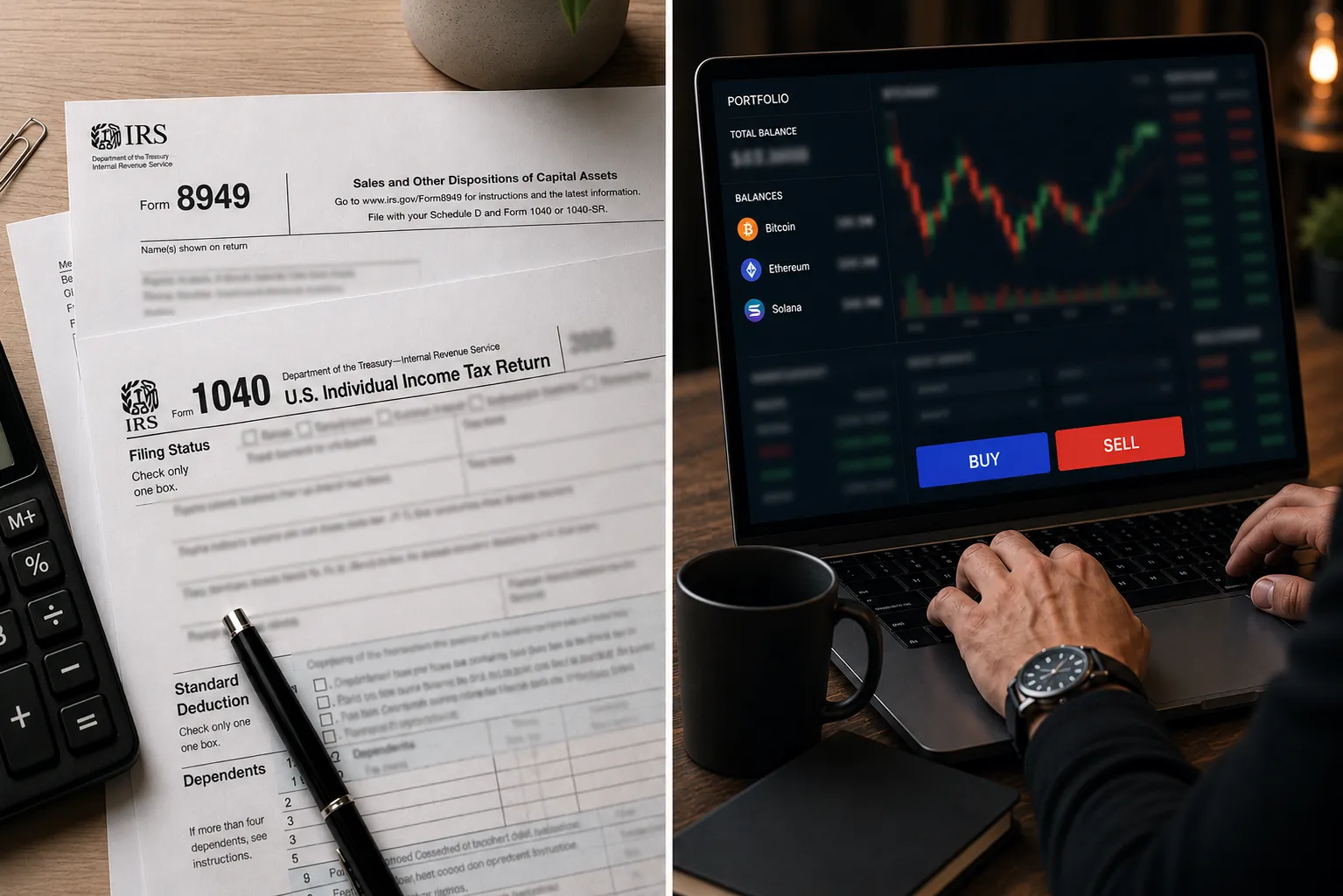
In crypto, the trade that made you money and the tax bill that followed are two separate problems, and most traders only prepare for one. In 2026, with the IRS expanding reporting requirements and on-chain data more traceable than ever, that oversight is getting expensive.
The legal tools available to US crypto traders are broader than most people realize. You do not need a $500 an hour accountant to understand them. You just need to know where to start.
Here are the strategies worth knowing.
Join our community of 400K+ and never miss breaking news!
We respect and protect your privacy. By subscribing your info will be subject to our privacy policy . Unsubscribe easily at any time
📊 1. Master Short-Term vs. Long-Term Capital Gains
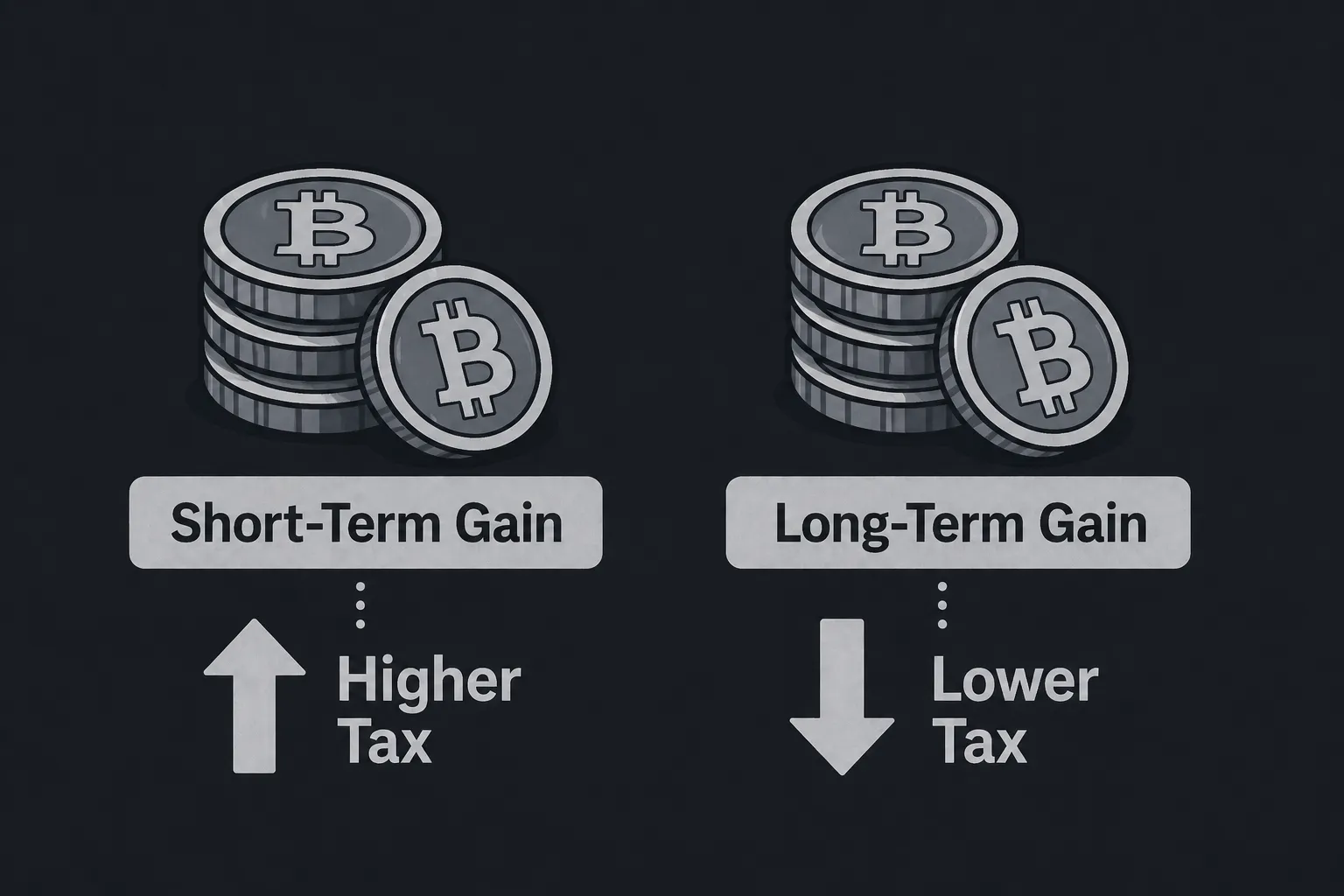
Holding under 12 months means paying ordinary income tax rates. For active traders, that is one of the quietest wealth drains in the game.
The fix is simple: keep core positions structured for long-term treatment and active trades tactical. Mixing the two is how strong years become mediocre after-tax results.
Timing matters too. Gains realized in December versus January can mean a full year of tax deferral. The IRS does not care about your conviction. Only your holding period.
🔪 2. Tax-Loss Harvesting Is a Weapon
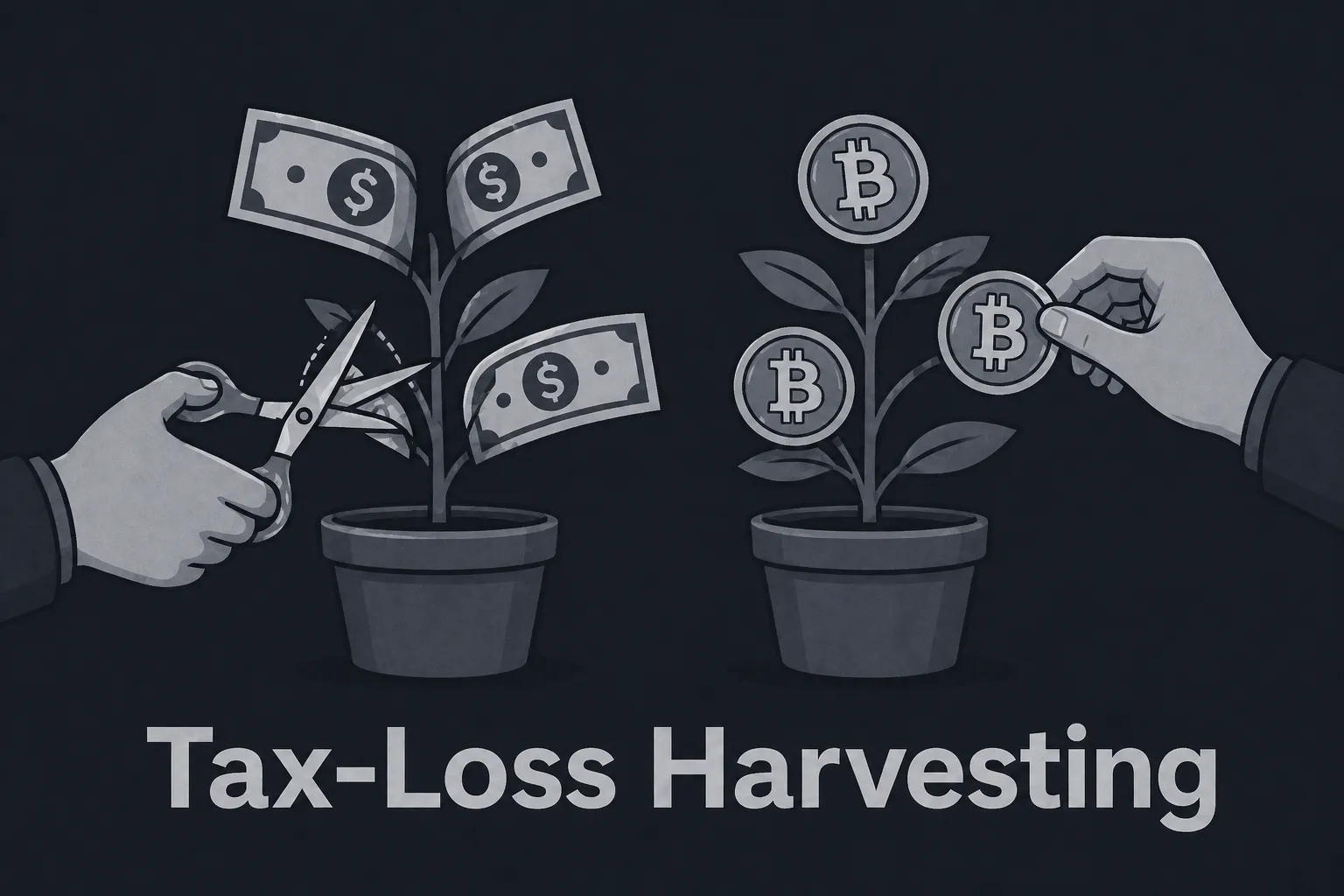
Losses are not failures. They are future offset power.
Traders who harvest losses deliberately can offset capital gains and reduce total taxable income. In volatile markets, that flexibility is a genuine edge, not a consolation prize.
Do not wait until December to figure this out. Loss harvesting works best when it is part of your trading process, not a panic move at year end. For context on the mistakes that make this harder than it needs to be, here is what most traders get wrong.
🗂️ 3. Separate Trading From Long-Term Holdings
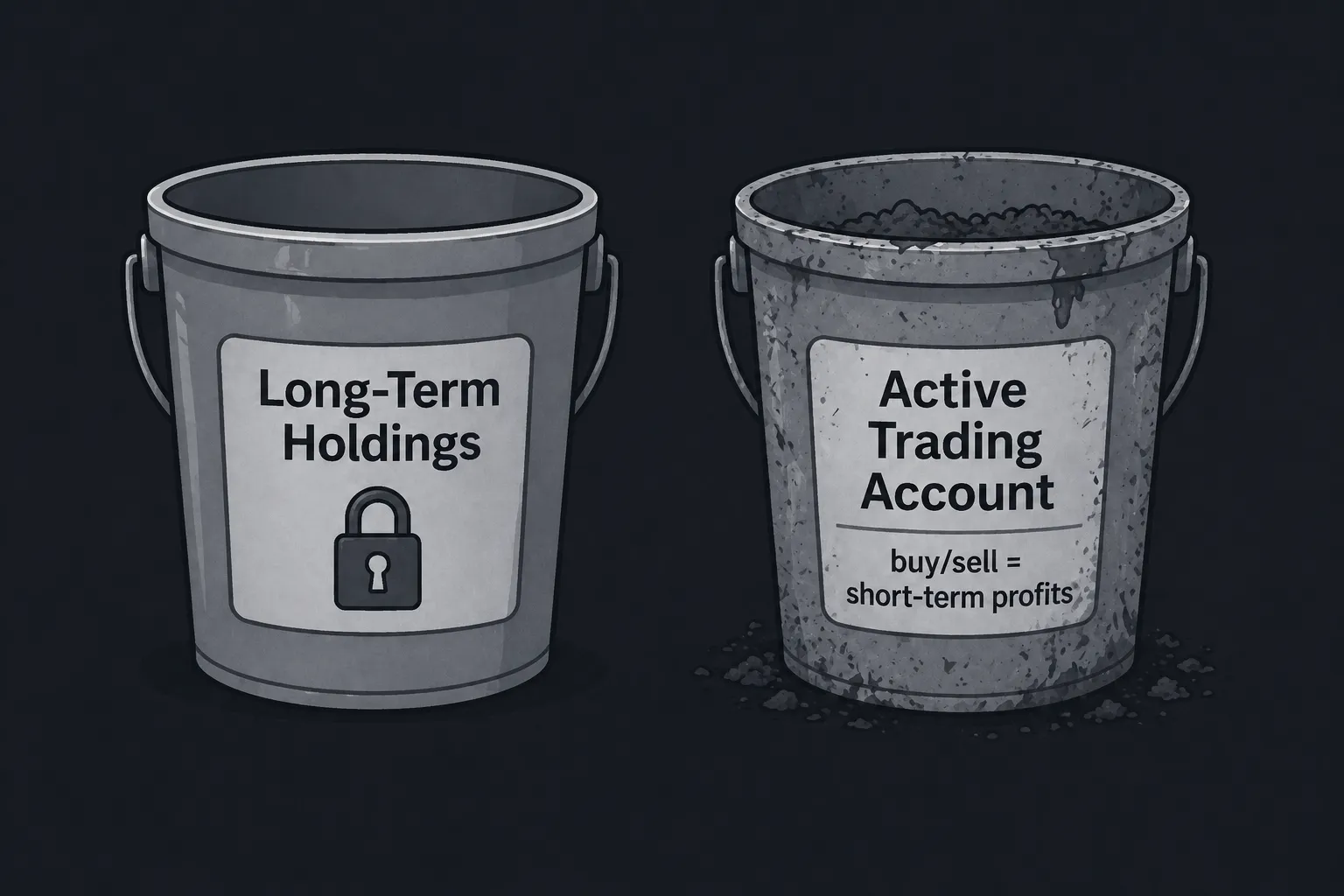
One wallet for everything is how traders create reporting chaos.
Serious traders separate long-term holdings from active trading accounts. It clarifies intent, simplifies reporting, and prevents accidental short-term realizations that quietly inflate your tax bill.
This is basic infrastructure. Your wallet setup should reflect that.
📝 4. Track Everything
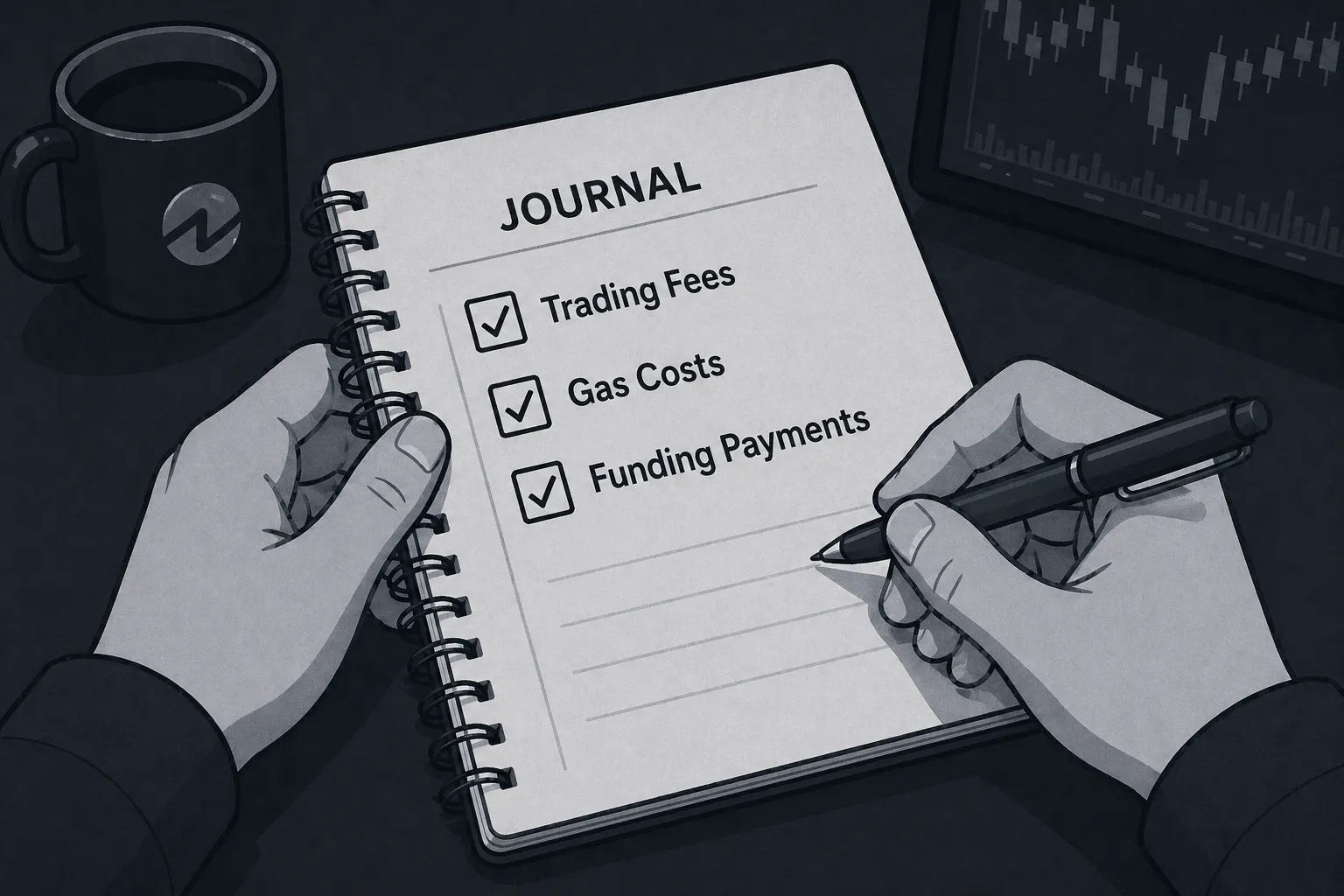
Trading fees, gas costs, and funding payments all reduce taxable gains. Most traders forget to track them consistently, and over a year of active trading that oversight quietly inflates your bill.
Journals solve this. They are not just performance tools, they are audit protection. Clean cost basis, timestamps, and fee tracking matter more in 2026 than ever. These are the tools serious traders are using to stay on top of it.
⚠️ 5. The Wash Sale Gray Zone

In stocks, selling at a loss and rebuying within 30 days gets your deduction disallowed. The IRS calls it a wash sale. In crypto, that rule does not exist yet, meaning you can sell, rebuy immediately, and still pocket the tax loss.
Join our community of 400K+ and never miss breaking news!
We respect and protect your privacy. By subscribing your info will be subject to our privacy policy . Unsubscribe easily at any time
It is one of the few remaining edges crypto has over traditional markets. Enjoy it while it lasts, because Washington has been eyeing it for a while and the window is narrowing fast.
🚩 6. Avoid Reporting Mistakes That Trigger IRS Flags

Mismatched 1099s, missing wallets, unreported income — these are not just accounting errors anymore. They are automated red flags in a system that is getting better at catching them every year.
The IRS has been investing heavily in on-chain analytics, and the days of crypto flying under the radar are long gone. Inconsistent reporting is the fastest way to turn a good trading year into an audit.
🧾 7. Choose Your Cost Basis Method Wisely

When you sell crypto, the IRS needs to know which coins you sold and what you originally paid for them. Most traders never consciously choose a calculation method — they just default to FIFO, first in first out, meaning the oldest coins are sold first.
The problem is that HIFO, highest in first out, often produces a significantly lower tax bill for active traders by prioritizing your most expensive purchases first and reducing your recorded gain. One method, one decision, and it affects every tax year going forward.
If crypto is generating serious income, the question of whether you qualify as a trading business unlocks a different set of deductions entirely. We are covering that in full soon.
📉 Final Thoughts
In 2026, crypto taxes are part of execution. Ignore them, and your edge evaporates after April 15.
The best traders don’t trade harder to make more. They keep more of what they earn through clean structure, disciplined timing, and airtight documentation.
The 62,000 traders in our Telegram channel already know this. The weekly newsletter is where the rest catch up — sign up before tax season reminds you the hard way.
Pre-tax PnL is a vanity metric. After-tax profits are the scoreboard.