

🎟️ Your Ticket Is Now a Token: How NFT Ticketing Is Changing Live Events in 2026
Get Breaking News First!
Editor’s choice
-
🔐 One Wallet for Everything Is How Most Traders Get Hurt. Here Is How Many You Actually Need
-
💰 Don’t Sell Your Bitcoin – Borrow Against It: The Best Platforms in 2026
-
MetaMask Who? The Web3 Wallets Traders Are Actually Using in 2026
-
💼 When Crypto Trading Becomes a Business: The IRS Rules Every Active Trader Needs to Know
-
₿ Why Local Businesses Are Taking Bitcoin Seriously in 2026
-
⚡ The Best of Both Worlds: How Hybrid Crypto Exchanges Are Changing the Way We Trade
Scalpers have been winning the ticketing game for decades. Buy low, sell high, let the fan pay three times face value for a seat they should have had in the first place. It is a broken system that has survived this long simply because nobody built a better one.
NFT ticketing is the better one. Here is how it actually works.
💡 What Are NFT Tickets?
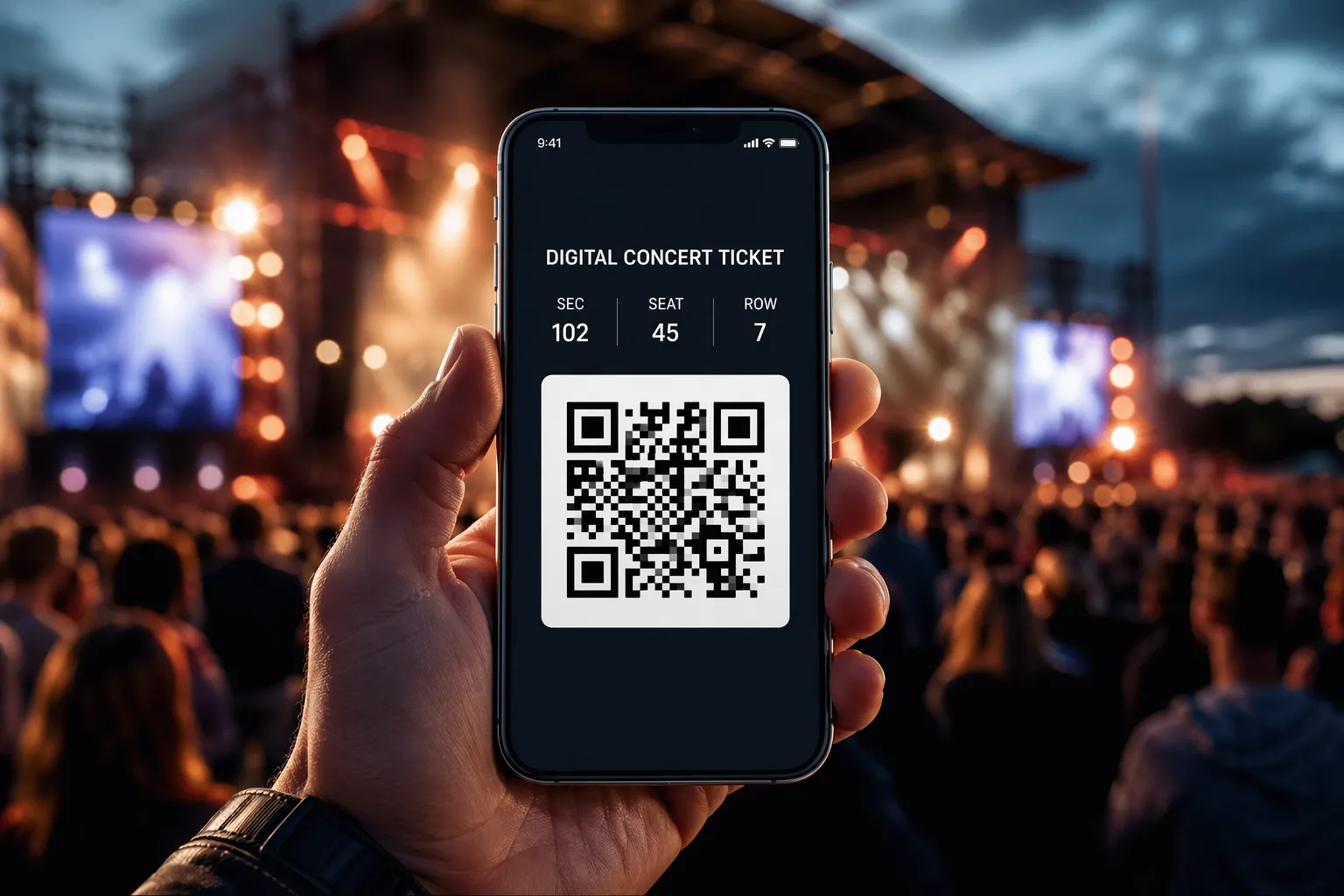
Imagine holding a concert ticket that cannot be forged, cannot be duplicated, and actually appreciates in value after the show ends. That is NFT ticketing in its simplest form.
Join our community of 400K+ and never miss breaking news!
We respect and protect your privacy. By subscribing your info will be subject to our privacy policy . Unsubscribe easily at any time
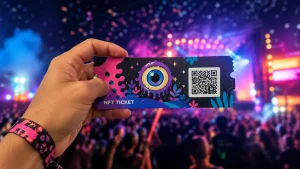
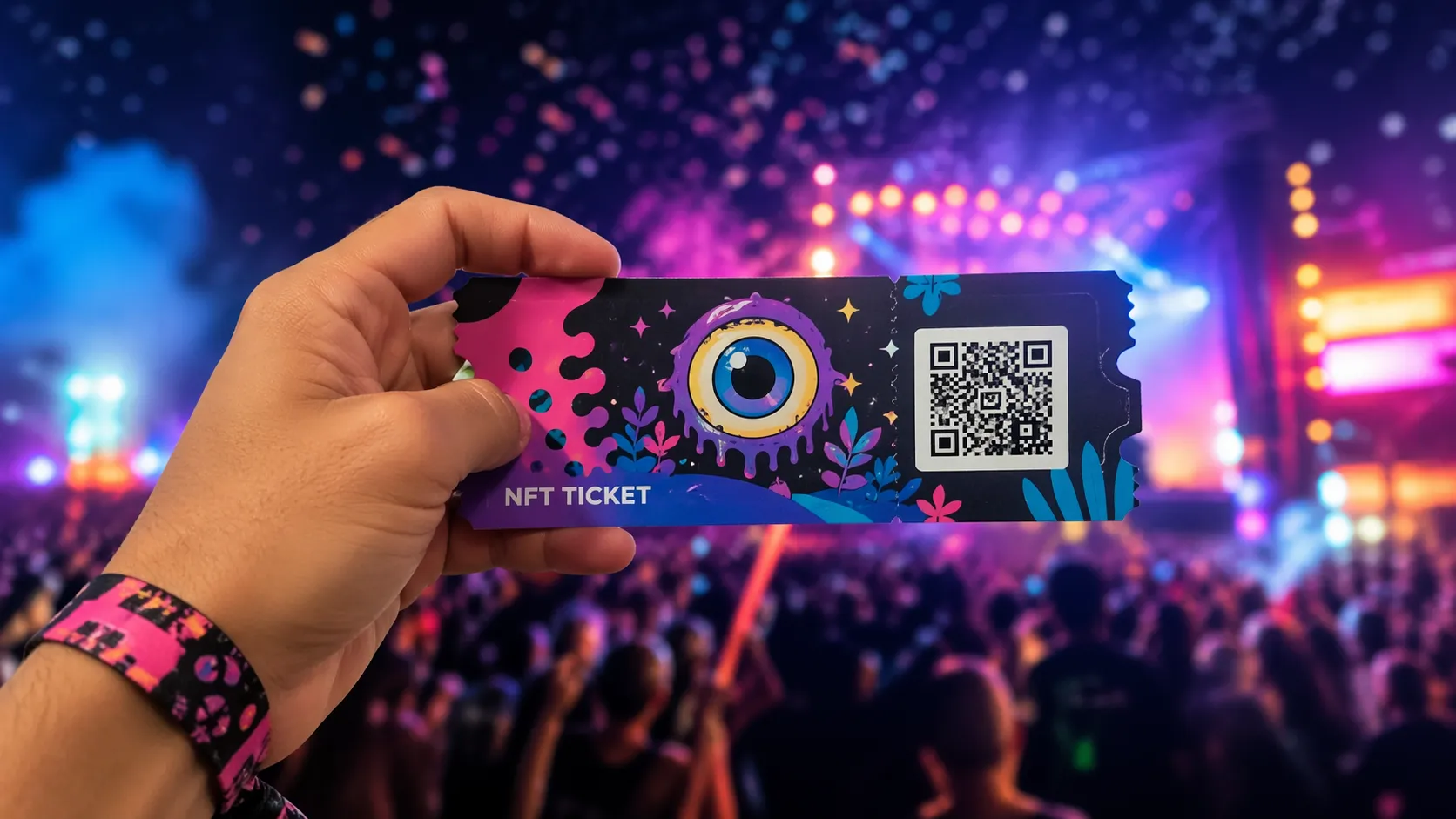
NFT tickets are unique digital tokens that live on blockchains like Ethereum or Solana. They carry all event details including date, venue, seat number — embedded directly in their code, stored in a digital wallet, and backed by a permanent transaction record that cannot be altered or faked.
They are not just tickets. They are programmable assets. Here is a deeper look at how crypto tokens actually work.
📌 How NFT Ticketing Works
Event organizers mint NFT tickets directly on the blockchain, creating thousands of unique digital passes at once.
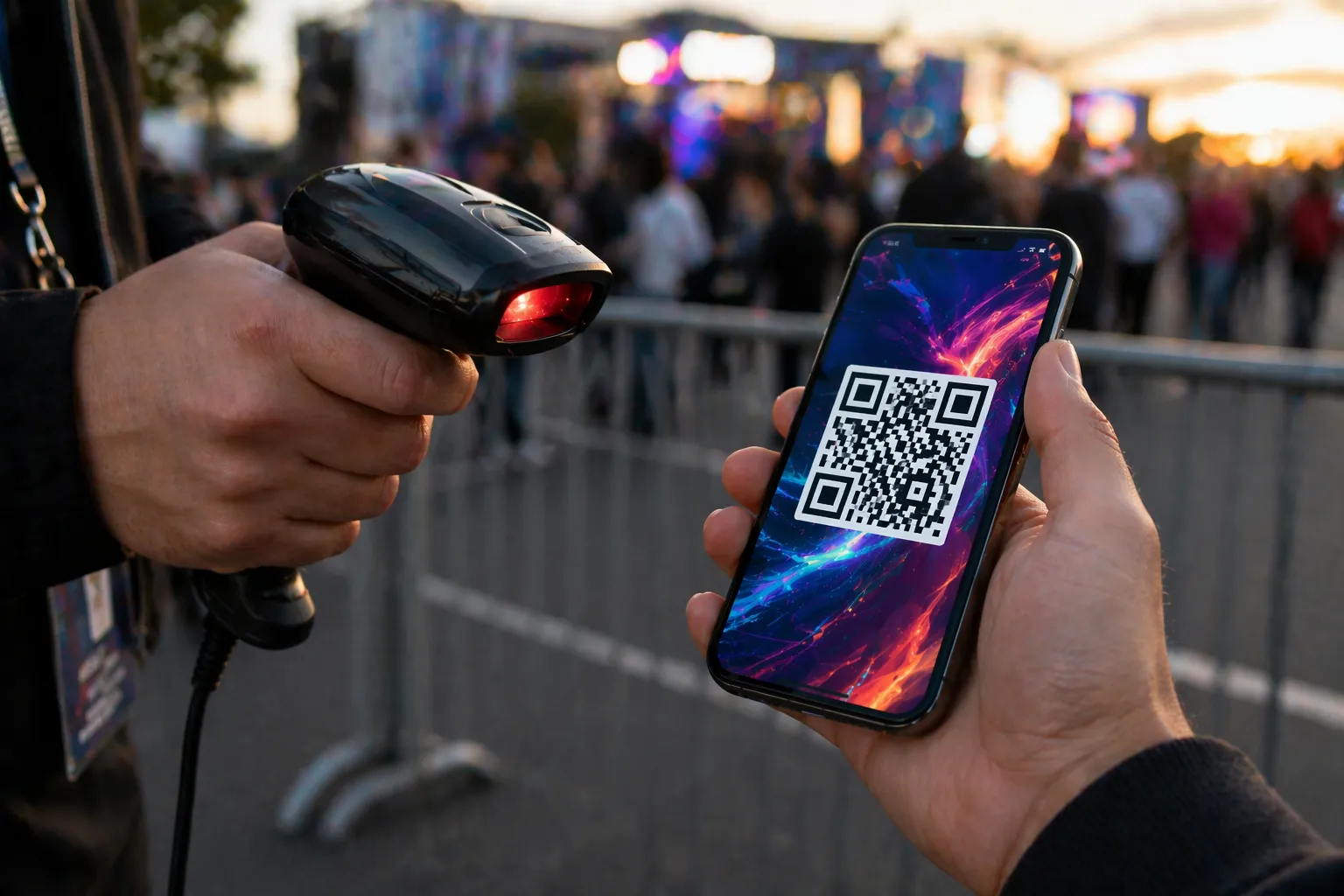
You purchase the ticket through your crypto wallet, with a smart contract handling the transaction automatically. At the venue, staff scan the NFT and verify it instantly against blockchain records.
Because each ticket is programmable, rules around ownership and transfers are enforced by code. That makes the system far more transparent and harder to manipulate than traditional ticketing.
For large events, mass minting means thousands of tickets can be distributed instantly without delays or bottlenecks.
🚨 Key Benefits Over Traditional Ticketing
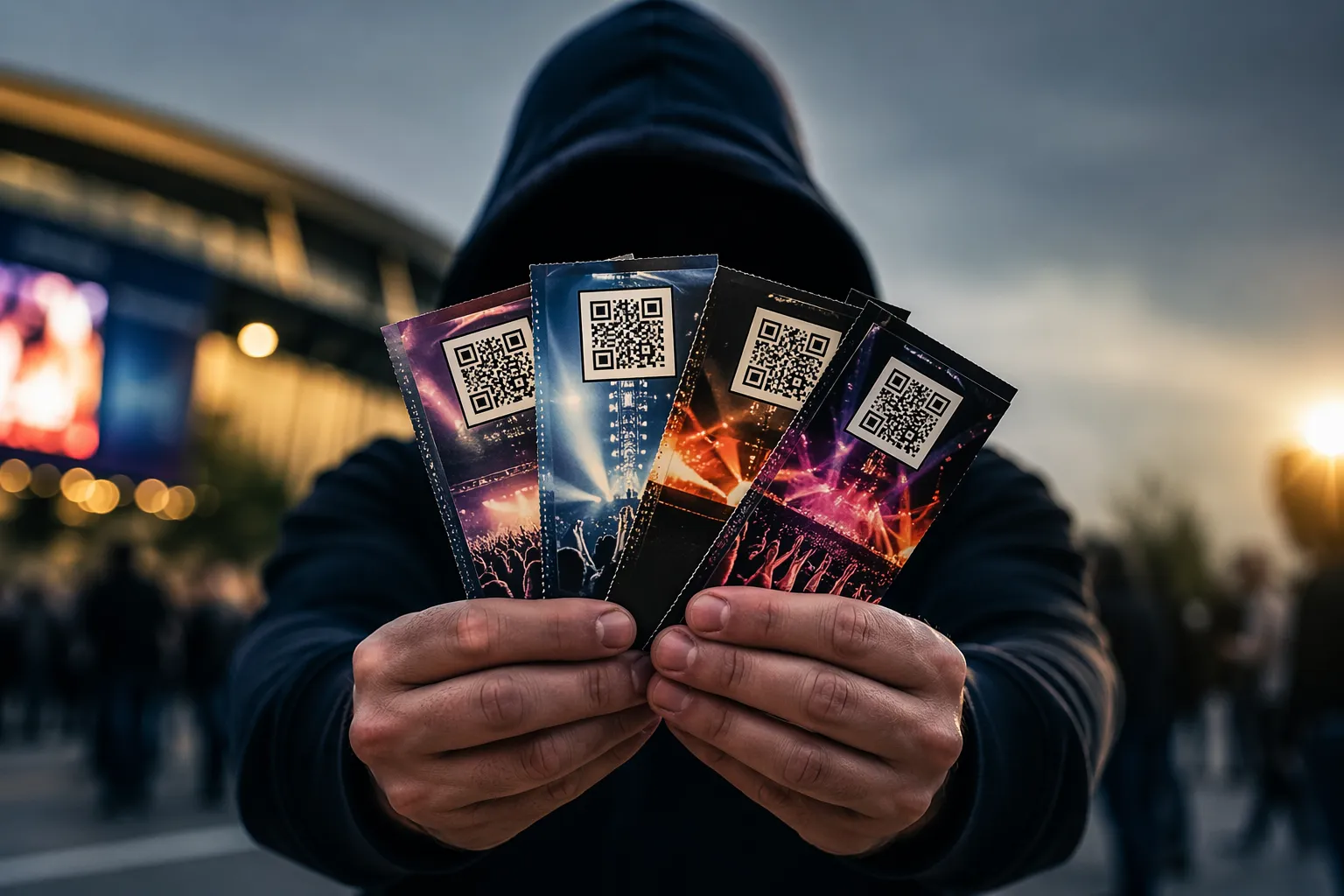
☢️ Anti-Fraud and Scalping
Each NFT ticket acts as a unique digital fingerprint, recorded on the blockchain with a full transaction history.
That makes counterfeiting much harder. Screenshots don’t work, and verification happens in real time when the ticket is scanned.
Smart contracts also give organizers more control. They can limit resale prices or set rules around transfers, making it harder for scalpers to push prices to extremes.
And if a ticket is resold, the blockchain tracks the ownership change instantly, preventing duplicates or unauthorized copies.
💰 Secondary Market Revenue
Join our community of 400K+ and never miss breaking news!
We respect and protect your privacy. By subscribing your info will be subject to our privacy policy . Unsubscribe easily at any time
Smart contracts can automatically send a percentage of resale revenue back to the original creator.
Every time a ticket is resold, a small royalty is built into the transaction. That means artists and organizers continue earning even after the initial sale.
At the same time, every resale is recorded on-chain, giving full visibility into pricing and ownership.
😎 Post-Event Utility
NFT tickets don’t have to expire after the event.
Organizers can send follow-up perks directly to your wallet — things like exclusive content, limited digital collectibles, or access to private communities.
They can also unlock real-world benefits, from merch discounts to early access for future events. In some cases, holding a past ticket can give you priority or rewards the next time around.
Instead of ending at the venue, the experience continues after the event.
🤔 Challenges and Limitations
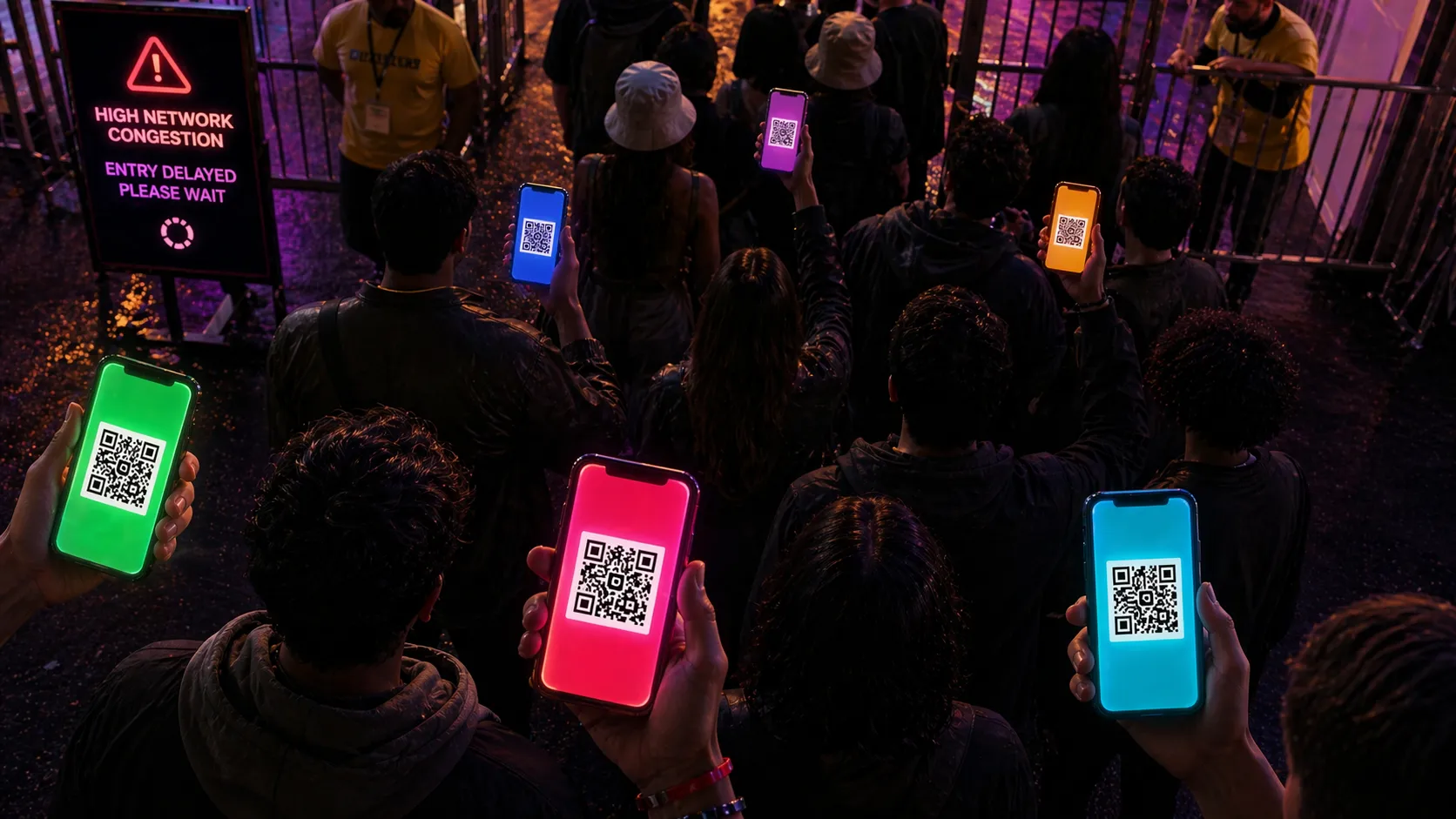
NFT ticketing is not without its friction points. The technology is promising, but the infrastructure is still catching up.
- Gas fees turn affordable shows into luxury purchases, with Ethereum transaction costs rivaling the ticket price itself.
- Crypto price volatility makes ticket pricing unpredictable for both organizers and buyers.
- And when 50,000 fans try to enter simultaneously, network congestion becomes a real operational risk.
The biggest barrier though is adoption. Most people do not have a crypto wallet, do not want one, and do not have the patience to get one before a concert. Until that changes, NFT ticketing remains a great idea with a user experience problem. If you are new to wallets, this is where to start.
📝 Final Thoughts
NFT ticketing is already moving from experiment to infrastructure.
Major platforms and event organizers are testing it, refining it, and slowly pushing it into the mainstream. The shift won’t happen overnight, but the direction is clear.
For users, the real change is simple: tickets stop being disposable and start becoming assets.
For weekly breakdowns on where crypto is heading next, subscribe to the DayTrading.co newsletter.
Take the discussion further. 62,000 traders and crypto followers are talking about it in real time on our Telegram. Come join them.