

Top DeFi Wallets in 2026: Where Smart Self-Custody Actually Lives
Get Breaking News First!
Editor’s choice
-
🔐 One Wallet for Everything Is How Most Traders Get Hurt. Here Is How Many You Actually Need
-

💰 Don’t Sell Your Bitcoin – Borrow Against It: The Best Platforms in 2026
-
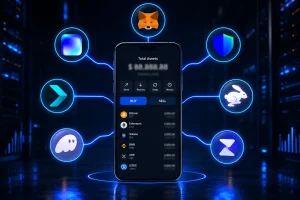
MetaMask Who? The Web3 Wallets Traders Are Actually Using in 2026
-

💼 When Crypto Trading Becomes a Business: The IRS Rules Every Active Trader Needs to Know
-
₿ Why Local Businesses Are Taking Bitcoin Seriously in 2026
-
⚡ The Best of Both Worlds: How Hybrid Crypto Exchanges Are Changing the Way We Trade
In DeFi, your wallet is where risk concentrates. Every swap, bridge, and approval runs through it, and one careless signature can cost more than a bad trade ever could.
By 2026, multi-chain access is expected. What actually separates serious setups from casual ones is how clearly they show permissions, how cleanly they integrate with hardware, and how much control they give you when something feels off.
If you’re deploying real capital on-chain, wallet choice isn’t cosmetic. It’s part of your risk management stack.
Join our community of 400K+ and never miss breaking news!
We respect and protect your privacy. By subscribing your info will be subject to our privacy policy . Unsubscribe easily at any time
And that’s the part traders should pay attention to.
What a DeFi Wallet Means in 2026
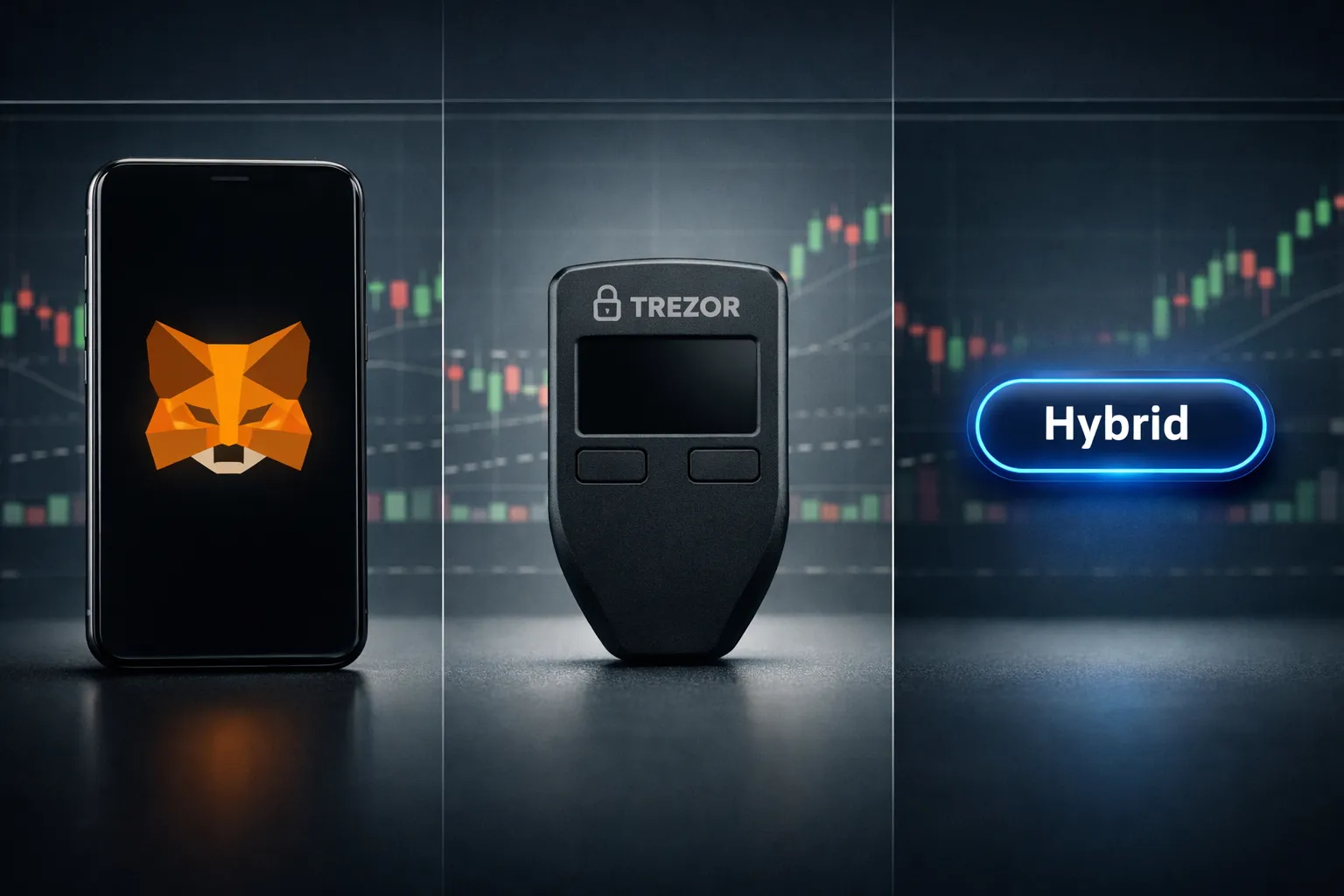
A DeFi wallet isn’t just an app. It’s the tool that holds your keys and lets you interact directly with smart contracts. There’s no intermediary approving transactions and no support desk if you send funds to the wrong address. What you sign is what executes.
In 2026, wallets fall into three functional categories:
- Software wallets for speed and daily DeFi interaction.
- Hardware wallets for long-term storage and capital protection.
- Hybrid or MPC wallets balancing UX and security
The key isn’t picking one category and calling it a day. It’s understanding what each is built for.
If you’re new to self-custody, don’t skip the basics. Review a proper step-by-step process before deploying live capital – our guide to setting up a crypto wallet in 2025 walks through it cleanly.
Best Software DeFi Wallets in 2026
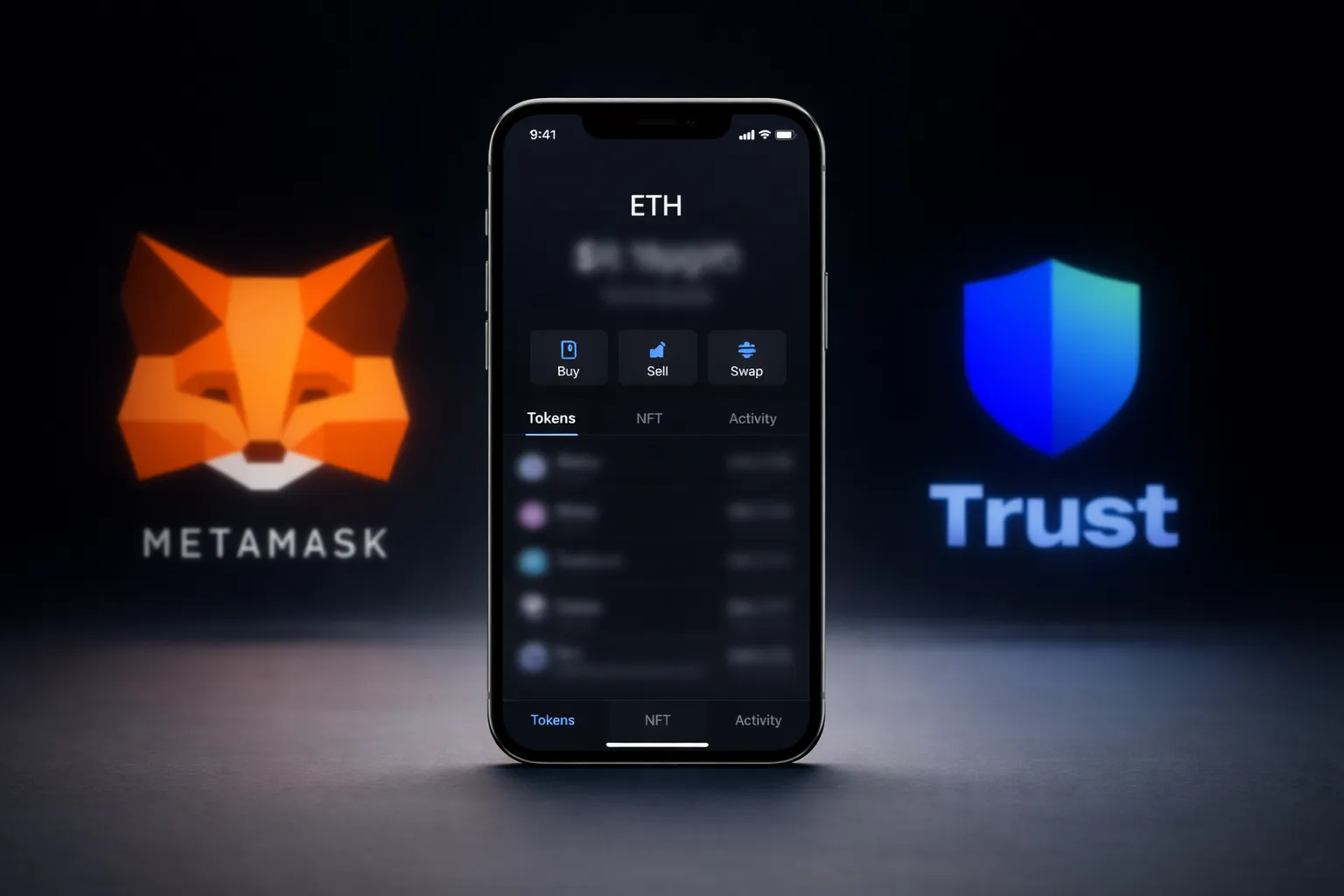
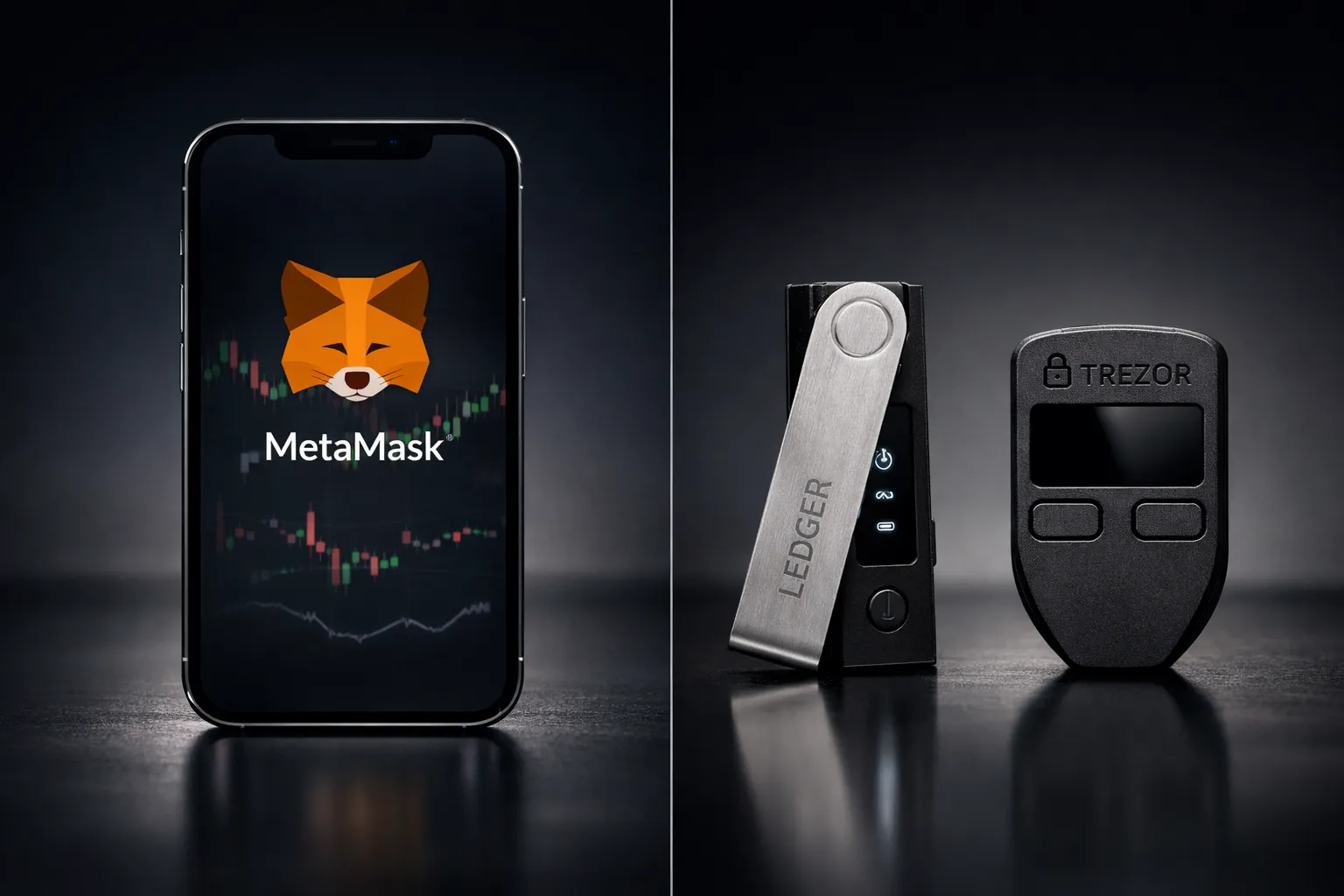
MetaMask
MetaMask is still the default interface for Ethereum and most EVM chains. If a dApp exists, it probably supports MetaMask. From DEXs to NFT marketplaces, it’s the wallet most protocols build around.
It’s not the sleekest option, but it’s reliable and deeply integrated across the ecosystem.
Best for: Ethereum-native DeFi, power users.
Trade-off: Browser extensions remain phishing targets, which means user discipline matters.
Trust Wallet
Trust Wallet leans into multi-chain simplicity. It supports a wide range of assets, offers native staking, and keeps the interface clean enough for mobile-first users.
Best for: Strong on BNB Chain and works well for traders who move across ecosystems without wanting to manage multiple wallets.
Trade-off: Limited advanced transaction controls, which can matter if you’re managing complex DeFi strategies.
Phantom
Phantom has become the standard wallet for Solana. It’s fast, minimal, and built for execution. If you’re active in Solana DeFi or NFT markets, it’s hard to avoid.
Best for: Solana DeFi and NFT markets. Clean and responsive UX, which suits traders who value speed.
Trade-off: Limited outside the Solana ecosystem.
Join our community of 400K+ and never miss breaking news!
We respect and protect your privacy. By subscribing your info will be subject to our privacy policy . Unsubscribe easily at any time
Best Wallet
Best Wallet positions itself around MPC security and privacy. It supports multiple chains, avoids mandatory KYC, and integrates staking directly in the app.
Best for: Privacy-focused DeFi users.
Trade-off: Ecosystem is still smaller compared to legacy wallets, which means fewer native integrations in some corners of DeFi.
Coinbase Web3 Wallet
Coinbase’s Web3 wallet is designed as an entry point for users moving from centralized exchanges into self-custody. The onboarding is straightforward, the interface is clean, and US users often feel more comfortable starting here.
Best for: Beginners, US-based users.
Trade-off: Less flexible for advanced DeFi strategies.
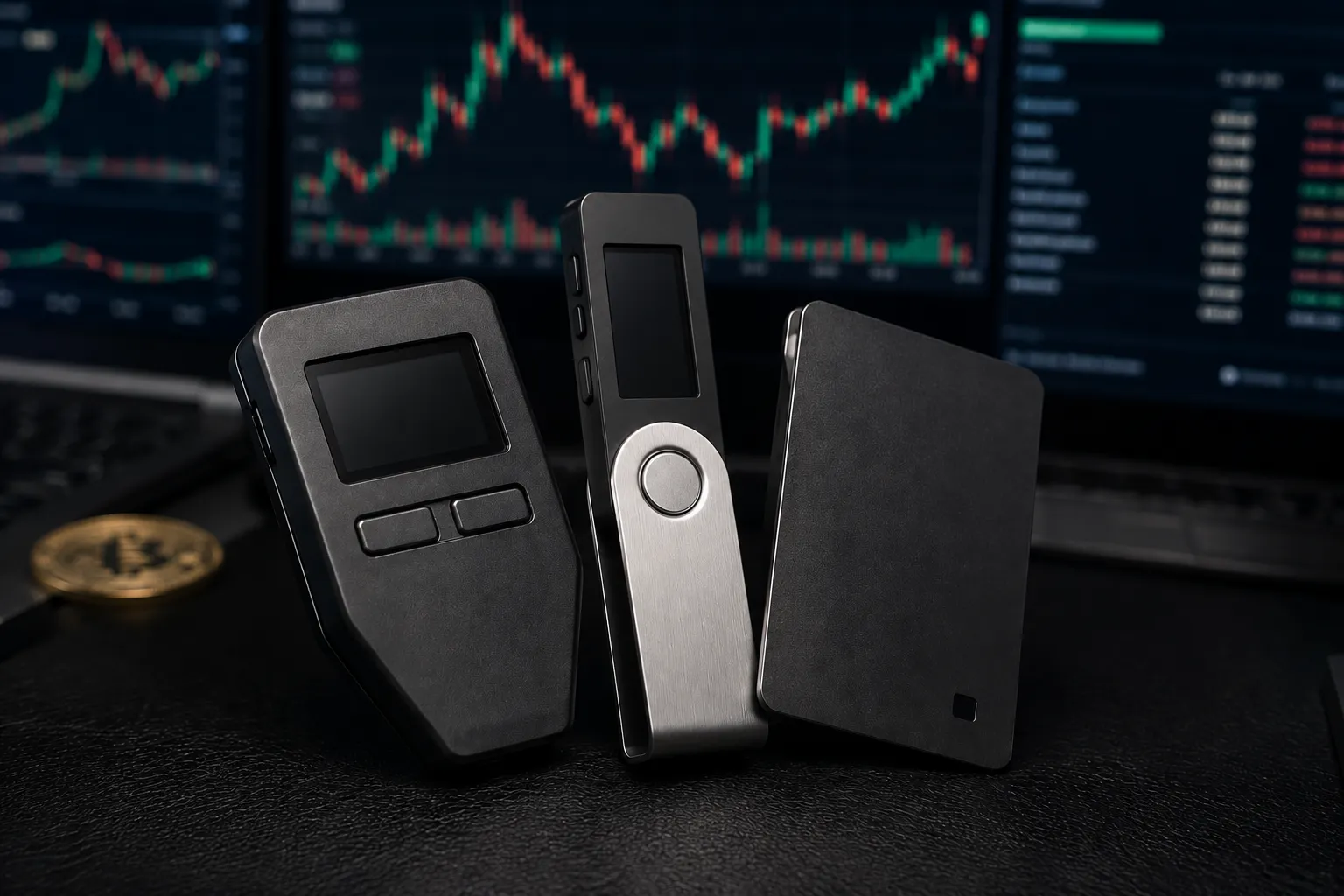
Best Hardware DeFi Wallets in 2026
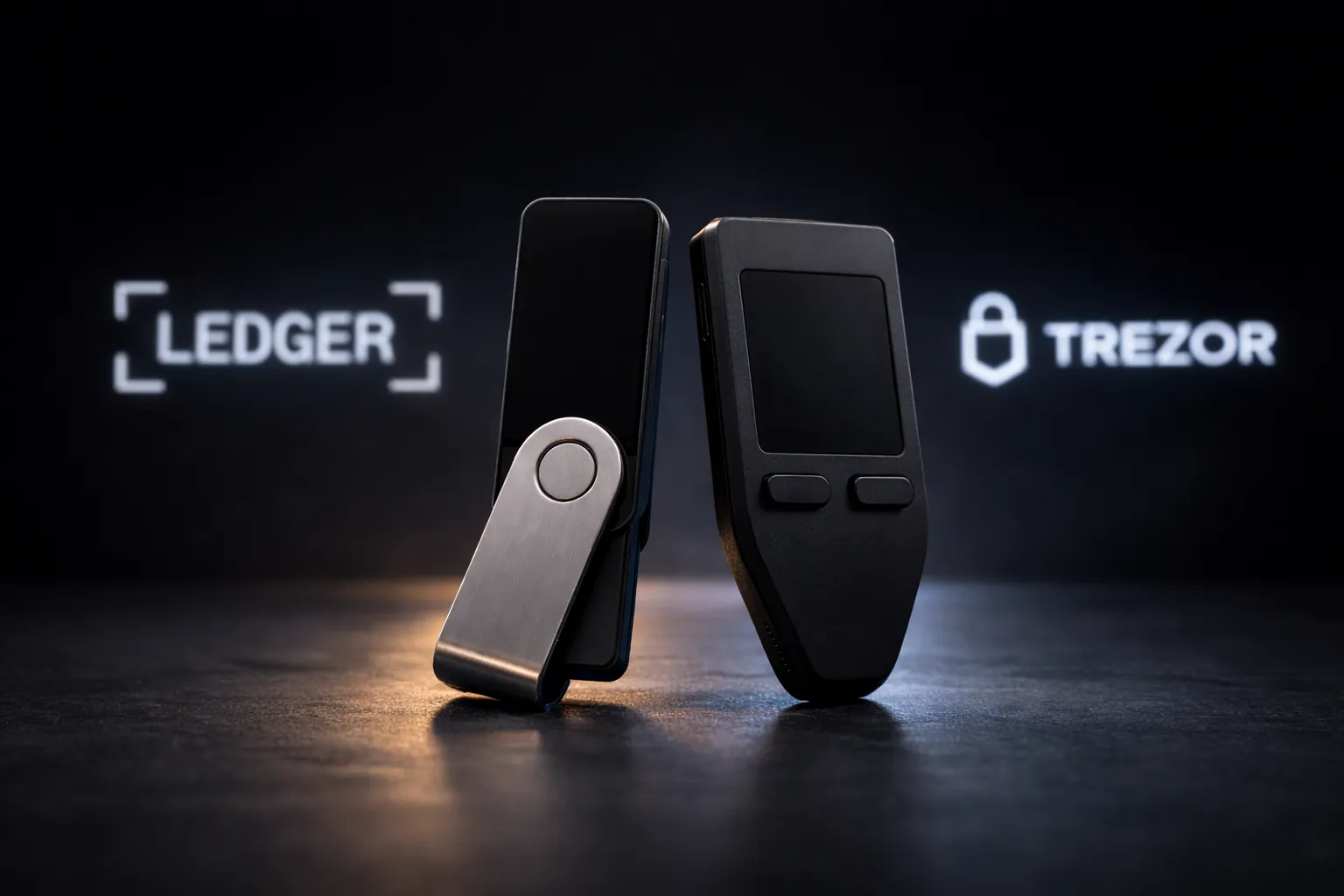
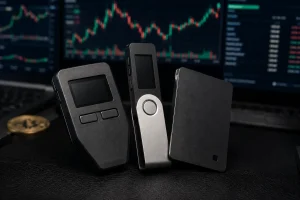
If software wallets are for movement, hardware wallets are for protection.
They keep your private keys offline and separate signing from whatever is happening on your laptop or phone. Think of them less as gadgets and more as capital insurance.
Ledger Stax
Ledger remains one of the most widely used hardware wallets, and the Stax pushes that reputation forward. It supports thousands of assets and integrates cleanly with DeFi apps through Ledger Live and third-party connections
Security is strong, tooling is mature, and integration across chains is broad. For many serious users, Ledger is simply the default.
Trezor Safe 3
Trezor leans heavily into open-source transparency. The Safe 3 continues that approach, offering strong DeFi compatibility with a straightforward interface.
It’s battle-tested, simple to use, and trusted for a reason. If you value open-source architecture and don’t need flashy extras, Trezor remains a solid choice.
Cypherock X1
Cypherock takes a different angle by removing the single-point-of-failure problem around seed phrases. Instead of storing one recovery phrase, it splits security across multiple hardware shards.
That makes it appealing for users thinking long-term, especially around inheritance planning or multi-wallet setups.
It’s less mainstream, but the design philosophy is strong.
Tangem
Tangem strips things down to NFC-enabled cards. No visible seed phrase to manage, no bulky device, just tap and sign.
It’s built for portability and simplicity. That makes it attractive for users who want hardware-level protection without a complicated setup, though it’s not designed for highly complex DeFi operations.
👉For US-based users, Ledger and Trezor still dominate largely because their tooling integrates more smoothly with reporting and compliance workflows.
At the end of the day, hardware wallets aren’t about daily trading. They’re about isolating long-term capital from everyday risk.
Software vs Hardware: The Right Setup

The answer isn’t either/or.
Serious DeFi users run a hot wallet for execution and a cold wallet for storage. Funds move on purpose, not out of convenience. If you need clarity on the difference, our breakdown of hot vs. cold crypto wallets covers it cleanly.
Blurring that line is one of the most common self-custody errors, alongside other avoidable mistakes covered in this breakdown of the top crypto trading mistakes traders still make.
Features That Actually Matter
Multi-chain support is standard now. What actually matters is transparency.
A solid wallet shows you exactly what you’re signing – previews, slippage warnings, contract simulation. If it hides complexity behind a slick interface, that’s not simplicity, that’s risk.
Gasless and abstracted transactions reduce friction, but they don’t remove cost or responsibility. If you don’t understand what’s happening under the hood, don’t rely on it blindly. Our guide on gasless Web3 transactions breaks that down.
Security Rules You Cannot Ignore

No wallet protects you from bad habits.
❌ Never reuse seed phrases.
✔️ Verify hardware authenticity.
❌ Never sign blind transactions.
✔️ Use separate wallets for testing and capital.
These principles align directly with the golden rules of crypto trading, and ignoring them is how most wallet losses happen.
📉 Final Thoughts
DeFi wallets aren’t apps. They’re the authority.
In a permissionless system, the wallet you choose determines how safely and efficiently you operate. The best DeFi wallets in 2026 prioritize self-custody, transparency, and execution, not hype.
Build your setup intentionally. Respect the risks. Treat wallet management like risk management.
Subscribe to our weekly newsletter and join over 60,000 traders in our global Telegram for real-time DeFi insights, wallet security breakdowns, and market intelligence that actually matters.
Stay sharp.