

Rolex Makes $11 Billion a Year — And No One Owns It
Get Breaking News First!
Editor’s choice
-

Lost Your Crypto? Here’s How Recovery Experts Try to Get It Back
-

These Crypto Newsletters Are Worth Your Time in 2026
-

Can Crypto Work Without the Internet? Here’s What Actually Happens
-

How DEXs Work: Inside Decentralized Crypto Trading
-
Rolex Makes $11 Billion a Year — And No One Owns It
-

Supermicro Co-Founder Arrested Over $2.5B Smuggling Case
Rolex generates more than $11 billion a year.
It has no shareholders.
No earnings calls.
No IPO plans.
And it can never be sold.
In a market where most large brands eventually answer to Wall Street, Rolex built something different: a company engineered to stay private — permanently.
That decision didn’t just shape its ownership. It shaped its behavior.
Join our community of 400K+ and never miss breaking news!
We respect and protect your privacy. By subscribing your info will be subject to our privacy policy . Unsubscribe easily at any time
The Structure Behind the Brand
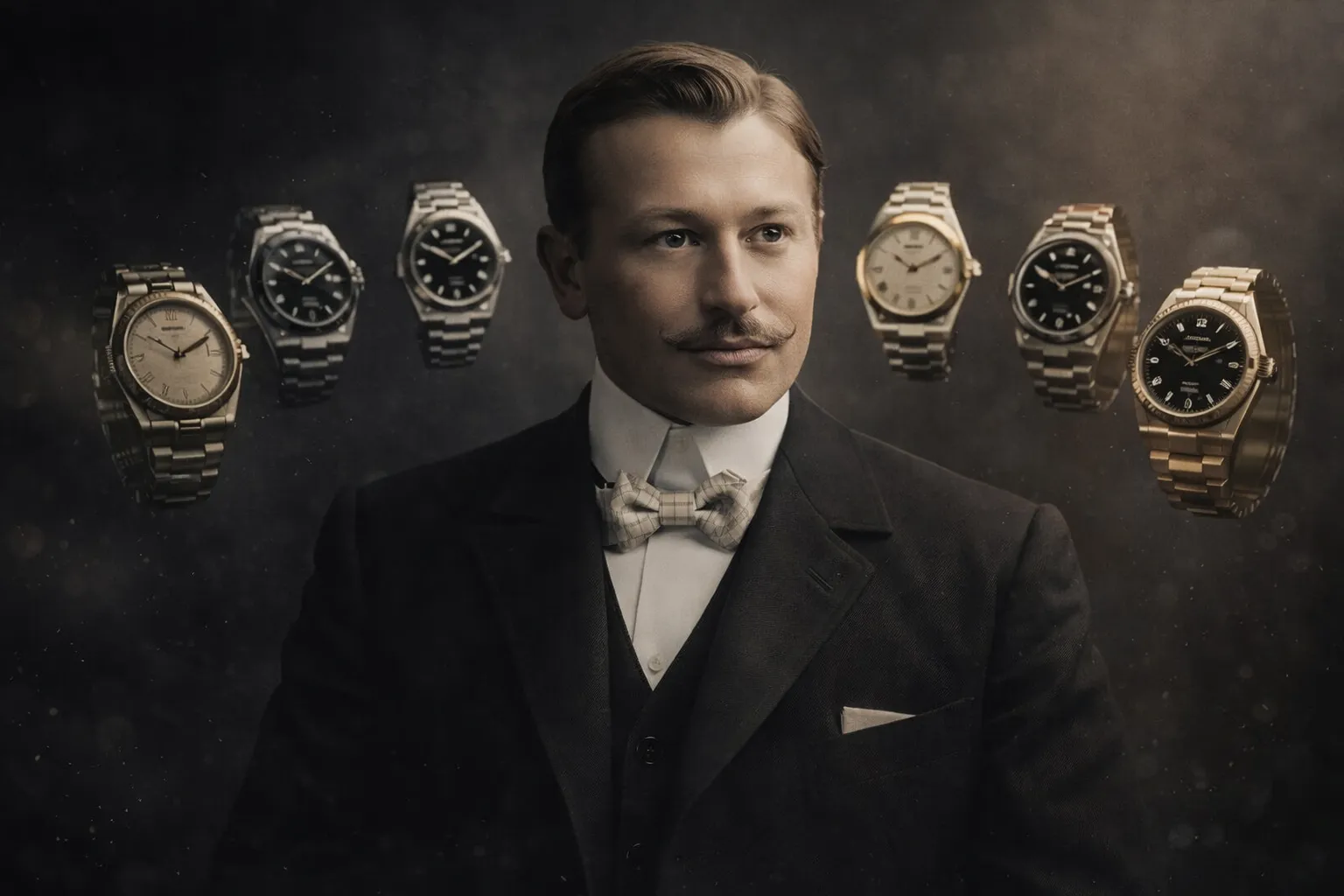
Rolex is fully owned by the Hans Wilsdorf Foundation, a private charitable trust based in Geneva. Not a billionaire family. Not private equity. Not public investors.
When founder Hans Wilsdorf died in 1960, he left ownership of Rolex and Tudor to the foundation. The trust was designed to be permanent. There is no mechanism for an IPO. No exit strategy. No future sale waiting in the wings.
Instead of leaving the company to heirs, Wilsdorf left it to a structure.
And that structure still governs it today.
Why That Changes Everything
Most companies of Rolex’s size don’t get to move at their own pace. Once you’re generating billions, Wall Street shows up with a stopwatch. Every quarter becomes a performance review. Growth has to be explained, margins have to expand, and expansion has to justify itself.
But Rolex doesn’t play that game.
It makes roughly 1.2 million watches a year and keeps it that way, even when demand could justify pumping out more. Waiting lists stretch for years, prices climb steadily, and the company invests behind the scenes without broadcasting “strategic initiatives” to analysts who need something new to model.
There’s no activist fund circling for “unlocking value.” No hostile takeover threats. No earnings call where management has to explain why they didn’t squeeze another 8% out of production.
Public companies often scale because they’re expected to. You see that dynamic clearly when you look at how America’s biggest profit engines are structured — size tends to attract pressure. Rolex removed the pressure entirely.
Rolex still runs for profit. It just doesn’t run for shareholders.
Scarcity Isn’t Just in the Product
Rolex didn’t just build scarcity into its watches, it built scarcity into its ownership.
There’s no IPO waiting in the background. No dilution event, no quiet plan to “unlock value” five years down the line. The company isn’t pacing toward an exit because there isn’t one.
Join our community of 400K+ and never miss breaking news!
We respect and protect your privacy. By subscribing your info will be subject to our privacy policy . Unsubscribe easily at any time
That’s rare in modern business, and it changes how you think. When there’s no sale on the horizon, you stop optimizing for it.
The Crypto Parallel

If this structure feels oddly familiar, that’s because crypto has been trying to reinvent it for the last decade.
Instead of shareholders, many major protocols lean on foundations and governance structures. Ethereum has one. So does Uniswap. MakerDAO built an entire ecosystem around the idea that ownership and control shouldn’t live in the same hands.
The goal is to reduce short-term pressure and protect the system from being controlled by one person. In theory, that sounds clean. But in reality, “Decentralized” doesn’t remove pressure, it just shifts where it shows up.
We’ve seen how these incentive structures shape outcomes before, especially in cycles where narrative and control collide. If you’ve followed how smart money moves in crypto, you already know the ownership layer quietly dictates who really steers the ship.
Rolex handled the same problem differently by placing the company inside a permanent foundation and removing the possibility of an exit altogether,
While crypto is still testing how to balance independence and accountability, Rolex locked its answer in decades ago.
Why Competitors Can’t Copy It
Most luxury brands don’t have this freedom. They sit inside conglomerates like LVMH or Richemont, or answer to public investors who expect steady growth.
That doesn’t make those models wrong, but it makes them different.
Rolex doesn’t have to play that game. There’s no pressure to increase production just because waiting lists are long. No one is pushing to “unlock value.” No clock ticking toward the next growth target.
Its structure lets it stay disciplined, even when the market is shouting to speed up.
Built to Last
Rolex didn’t just build a watch empire.
It built a structure that protects it from markets.
In a world where most companies optimize for exit, Rolex optimized for endurance.
And that’s why no one owns it — and no one ever will.
💬 When business models break the rules, we break them down. Join the conversation on Telegram