

How DEXs Work: Inside Decentralized Crypto Trading

Get Breaking News First!
Editor’s choice
-

Lost Your Crypto? Here’s How Recovery Experts Try to Get It Back
-

These Crypto Newsletters Are Worth Your Time in 2026
-
Can Crypto Work Without the Internet? Here’s What Actually Happens
-
How DEXs Work: Inside Decentralized Crypto Trading
-

Rolex Makes $11 Billion a Year — And No One Owns It
-

Supermicro Co-Founder Arrested Over $2.5B Smuggling Case
Decentralized exchanges exist for one reason: to remove trust from trading.
Instead of brokers or custodians, a DEX uses smart contracts to execute trades directly on-chain. No accounts, no intermediaries, no custody transfers.
Today, DEXs are core DeFi infrastructure, powering swaps, derivatives, and cross-chain trading across multiple blockchains.
Join our community of 400K+ and never miss breaking news!
We respect and protect your privacy. By subscribing your info will be subject to our privacy policy . Unsubscribe easily at any time
This guide breaks down how DEXs actually work, where the risks sit, and why they’ve become essential to decentralized finance.
🔎 What a DEX Actually Is
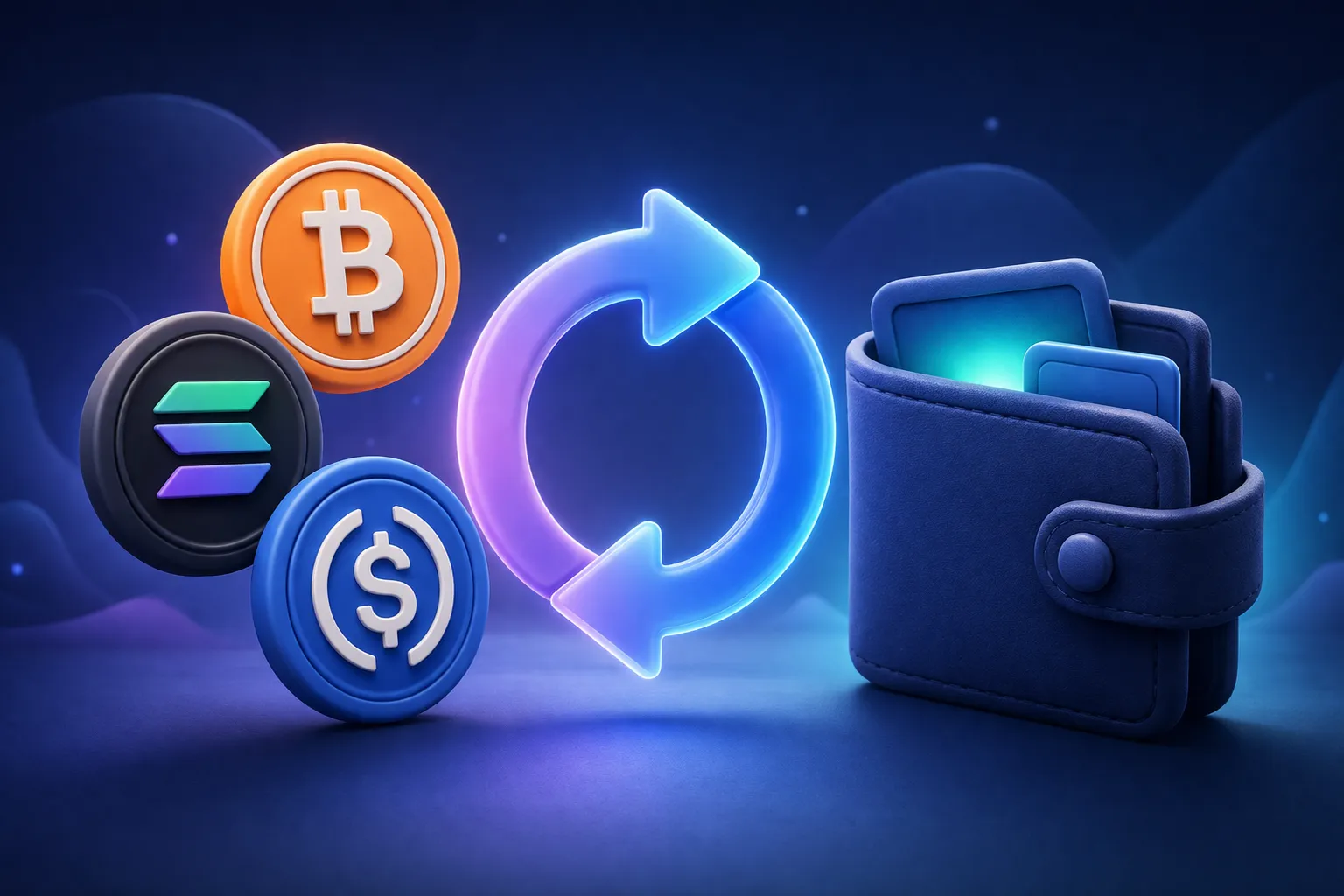
A decentralized exchange (DEX) lets you swap crypto directly from your wallet.
There are no accounts and no balances held by the platform. When you trade, you simply sign a transaction with your private key and the smart contract executes the swap on-chain.
This is why understanding the difference between a private key and a seed phrase is non-negotiable. On a DEX, possession of keys equals ownership. Lose them, and there is no recovery desk.
DEXs are non-custodial by design. Your assets stay in your wallet until the trade executes, then settle straight back into it once the transaction completes.
⚙️How Trades Execute Without an Order Book

Most modern DEXs use Automated Market Makers (AMMs) rather than traditional order books.
Instead of matching buyers and sellers, AMMs use liquidity pools funded by users. Each pool contains two assets, and prices are determined algorithmically based on their ratio.
The execution flow looks like this:
This design guarantees liquidity at all times, but not stable pricing. As trade size increases relative to pool depth, price impact grows.
That’s why understanding crypto slippage and price impact is essential for DEX traders. On-chain execution doesn’t negotiate. It follows math, even when it hurts.
💧Liquidity Providers: Who You’re Really Trading Against

Liquidity providers (LPs) are the backbone of DEXs. They supply the capital that makes trading possible and earn a share of the fees in return.
LPs accept multiple risks:
Join our community of 400K+ and never miss breaking news!
We respect and protect your privacy. By subscribing your info will be subject to our privacy policy . Unsubscribe easily at any time
- Impermanent loss when prices diverge.
- Volatility exposure during market swings.
- Smart contract risk from protocol failure.
When fees or rewards no longer compensate for those risks, liquidity leaves. Pools thin out and execution gets worse.
That’s why watching how smart money moves in crypto often reveals liquidity shifts before the rest of the market.
🔍Why DEXs Are Transparent by Default
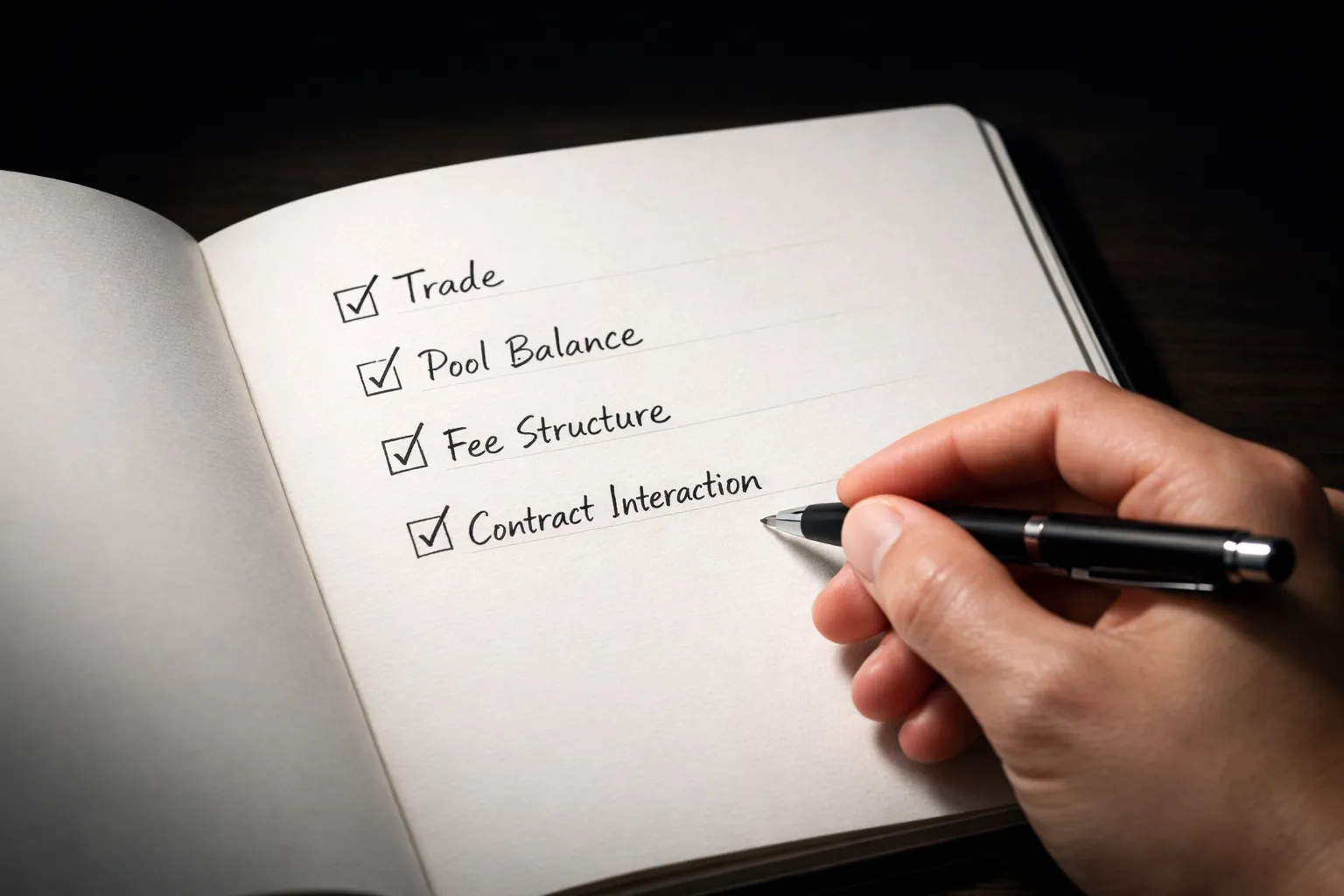
DEX transparency isn’t a feature. It’s a byproduct of being on-chain.
Every trade, pool balance, fee structure, and contract interaction is publicly visible. Anyone can audit reserves in real time. There are no internal books and no delayed disclosures.
The design removes some common risks:
That said, transparency doesn’t eliminate risk. Smart contracts can fail. Exploits still happen. This is why some traders incorporate crypto insurance coverage when deploying size in DeFi protocols.
⚖️DEXs vs. Centralized Exchanges
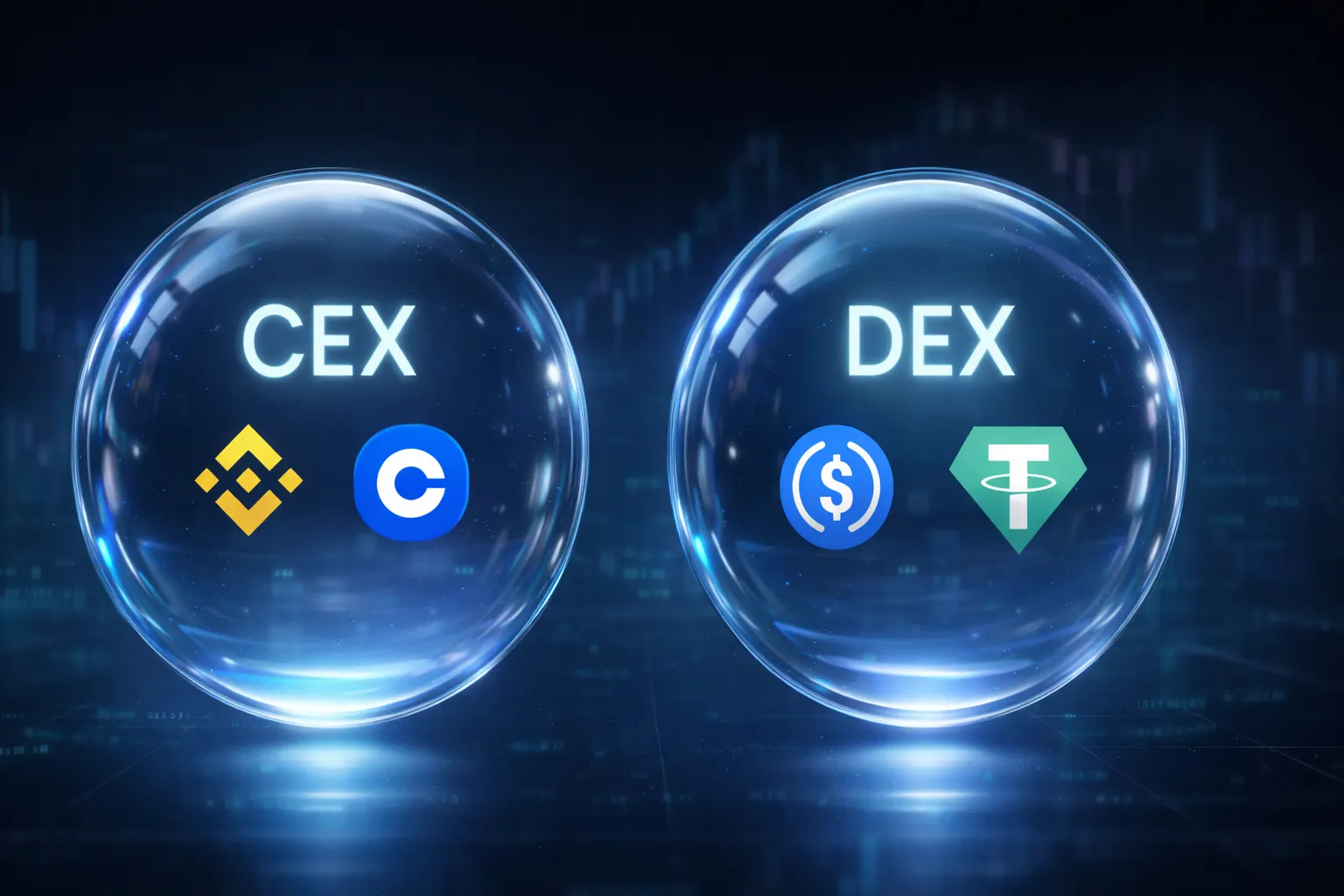
DEXs and centralized exchanges solve different problems.
DEXs prioritize self-custody, permissionless access, and on-chain settlement. Your funds stay in your wallet and trades execute through smart contracts.
Centralized exchanges focus on speed and depth. They offer deeper liquidity, advanced derivatives, and easier fiat access.
Most serious traders use both. The key is understanding where each one breaks — and not confusing convenience with safety.
⚠️Common DEX Mistakes

Most DEX losses aren’t hacks. They’re user mistakes.
In self-custody, small mistakes carry real consequences.
Many of these overlap with the golden rules of crypto trading.
And if some terms still feel unfamiliar, brushing up on common crypto slang and trading terms can prevent errors that come from confusion, not volatility.
📉 Final Thoughts
DEXs remove the middleman, but they don’t remove responsibility.
When you trade on a DEX, your wallet signs the transaction and the blockchain settles it. There’s no support desk and no undo button.
So learn how the mechanics work before you size up. Understand liquidity, manage slippage, and always read what you sign.
📊 Learn more: Get deeper crypto breakdowns in our weekly newsletter
💬 Trade smarter: Join 60k+ traders in our Telegram for real-time market insights
📰 Stay ahead: Follow DayTrading.co on MSN for the next crypto story before it spreads