

Crypto Slippage: The Silent PnL Killer (and How to Fight Back)
Get Breaking News First!
Editor’s choice
-

How to Invest in Crypto With an IRA? A Complete Guide
-

What Happens to Your Crypto When You Die?
-

Top DeFi Wallets in 2026: Where Smart Self-Custody Actually Lives
-

$3.45 Billion in 16 Months: Why Crypto Became Trump’s Most Lucrative Bet
-

A Decimal Error Just Cost an AI Trading Bot $250,000 on Solana
-
Understanding Funding Rates in Perpetual Futures Trading
Ever ordered two large pizzas but only received one medium? No? Well, slippage pulls that kind of fast one on crypto traders all the time, biting deep into your profits. Whether you’re a seasoned whale or a curious crypto rookie, understanding slippage is crucial.
In this guide, we’ll break down what slippage is, what causes it, why it hurts your PnL, and the practical ways to reduce it so your entries and exits stop feeling like a scam.
💡 What Is Slippage?

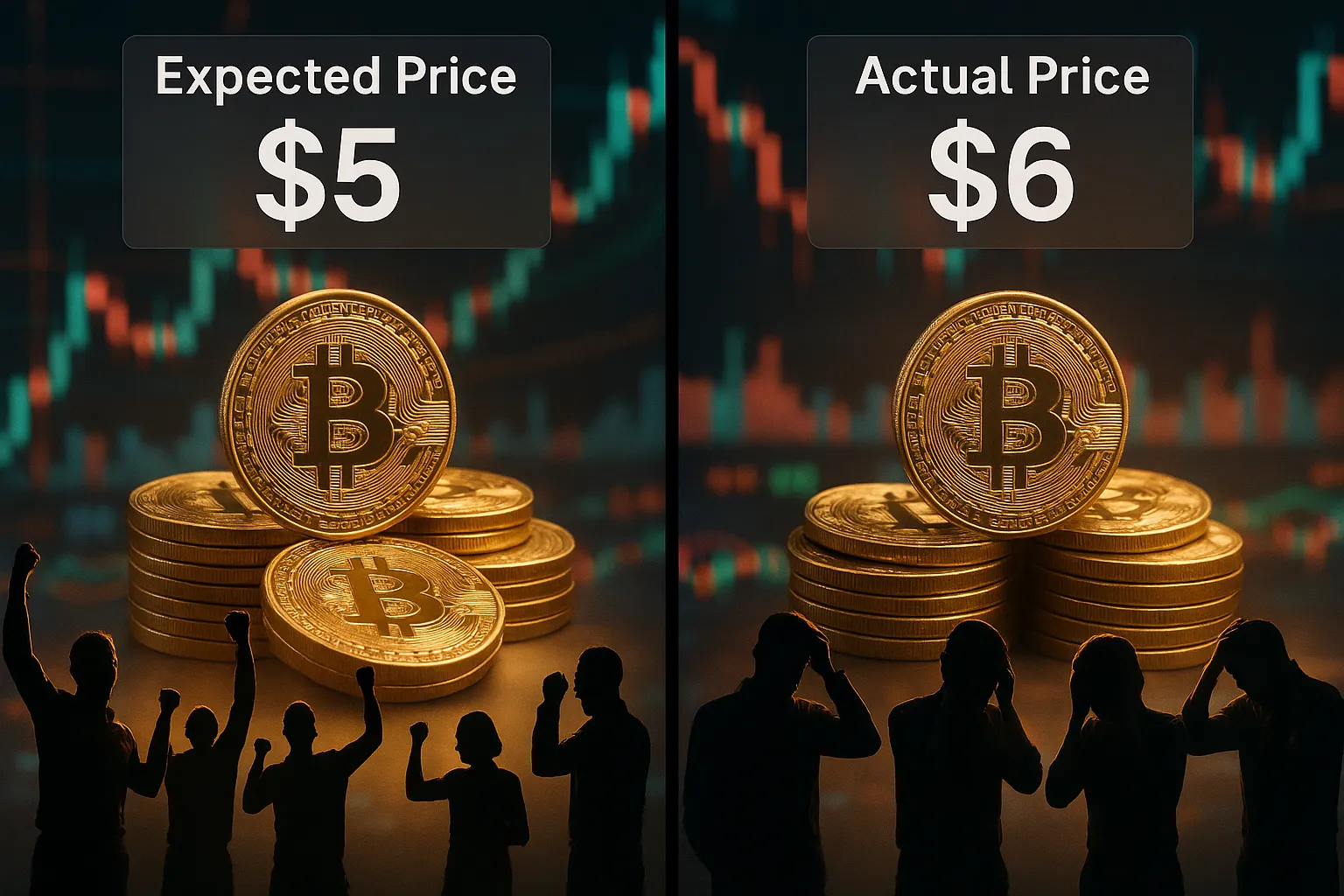
Slippage is the annoying gap between the price you thought you’d get and the price you actually get filled at.
Join our community of 400K+ and never miss breaking news!
We respect and protect your privacy. By subscribing your info will be subject to our privacy policy . Unsubscribe easily at any time
It comes in two flavors:
Some tokens are slippage landmines. Low volume, thin books, or low activity usually mean higher slippage risk, especially when you size up.
🧨 What Are the Main Causes of Slippage?
📉 Market Volatility

When prices move fast (and in crypto, they usually do), slippage gets worse.
Network congestion can slow things down even more, so by the time your order hits, the price has already shifted.
You’ll feel this most with market orders — the “fill me now, at whatever price” type. On big moves or low-liquidity coins, a large order can get filled at several different prices, especially around news events or during thin volume.
That’s how a good setup quietly turns into a worse-than-expected entry.
Luckily, you can use technical indicators to analyze market volatility, so you’re never caught offguard.
🪫 Low Liquidity

Slippage gets brutal when there aren’t enough active buyers and sellers. That’s what traders mean by “low liquidity.”
In a thin order book, your trade has to chew through multiple price levels just to fill, so you end up moving the market against yourself.
You’ll see this a lot with:
The result is wider spreads and bigger price jumps, even on what feels like a “normal” order size.
When liquidity is scattered across exchanges, even modest orders can hit like a whale splash. That’s where slippage quietly eats into your PnL.
Join our community of 400K+ and never miss breaking news!
We respect and protect your privacy. By subscribing your info will be subject to our privacy policy . Unsubscribe easily at any time
🐘 Large Order Sizes

Big orders don’t just experience slippage, they create it.
When you push a large position through a thin market, your order eats through the available liquidity at each price level. As each level gets cleared, the rest of your order fills at worse and worse prices.
The bigger your order relative to the market’s liquidity, the more dramatic this price impact becomes.
⚡ Order Execution Speed and Network Delays

In fast crypto markets, speed matters. Even tiny delays can turn a good entry into a worse fill.
On decentralized exchanges (DEXs), blockchain congestion can slow things down, so by the time your transaction confirms, the price has already moved.
You’re not just trading against humans, you’re also up against bots placing and cancelling orders in milliseconds. If your order is slow, you’re often the one eating the bad side of the move.
🔨 5 Proven Ways to Reduce Slippage

You don’t fix slippage by praying. You fix it with better habits and better tools:
🔖 Final Thoughts
You can’t delete slippage from crypto. But you can stop it from quietly draining your edge trade after trade.
Follow the tips above, do that consistently, and slippage becomes a small cost of doing business, not the silent PnL killer you only notice when it’s too late.
If you want to tighten up the rest of your game too, start here>>
🔥 Want more breakdowns like this — with real, trader-first tactics? 🚀 Join 20k+ traders on Telegram for instant alerts and tactics. Subscribe to our newsletter for the crypto intel you need every week.